





1. Introduction
Bac Ha Vietnam is a mountain destination in Lao Cai Province, in the northern highlands, known for its colourful Sunday market, traditional villages and rural landscapes. While Sa Pa has become one of the most popular destinations in northern Vietnam, Bac Ha offers a different atmosphere: quieter, more agricultural and less commercialised, with local markets and village life still playing an important role in everyday routines.
The highlight of a visit is undoubtedly Bac Ha Sunday Market, where people from surrounding villages gather to trade agricultural products, livestock, traditional clothing and household goods. Beyond the market, travellers can explore rolling hills, rice terraces, cornfields and pumpkin crops, visit historic buildings and discover the customs of different ethnic communities.

Bac Ha is particularly appealing to travellers interested in local culture and rural experiences rather than a conventional resort holiday. However, its attractions are spread across a mountainous area, and exploring the region requires some preparation. A local guide or Destination Management Company (DMC) can make the journey easier, safer and more meaningful.
2. Why Visit Bac Ha?
Bac Ha offers a glimpse of highland life that is different from the more developed tourist environment of Sa Pa. Its appeal lies not in a long list of major attractions, but in the combination of traditional markets, agricultural landscapes and everyday village activities.
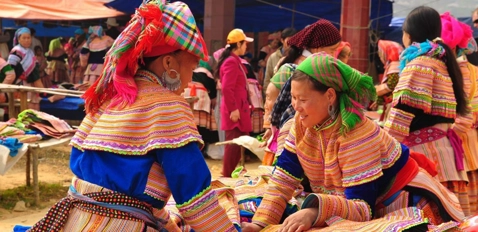
The region is home to several ethnic communities, including the Flower Hmong, Tay, Dao, Nung and Phu La. Their traditions, clothing, languages and ways of life contribute to the cultural diversity of the area. Visitors may encounter women wearing colourful embroidered garments, farmers transporting their produce and families gathering at local markets.

The surrounding countryside is another reason to visit. Unlike some mountain destinations where rice terraces dominate the landscape, Bac Ha also has extensive cornfields and pumpkin crops. These agricultural features create a distinctive patchwork of cultivated hills and valleys, particularly attractive during the growing and harvest seasons.
Bac Ha is not entirely untouched by tourism, and its main market has become a recognised attraction. Nevertheless, it remains a functioning local trading place rather than simply a cultural performance for visitors. This is what makes the experience particularly interesting: travellers can observe a living community and its daily activities while discovering a less familiar side of northern Vietnam.
3. Bac Ha Sunday Market: The Heart of Local Highland Life
Bac Ha Sunday Market is the main reason many travellers come to the region. Held every Sunday morning, it attracts people from surrounding villages and different ethnic communities, who come not only to buy and sell goods but also to meet friends, exchange news and spend time together.

The market usually begins early in the morning and becomes particularly lively between approximately 8 am and 11 am. Visitors should arrive early to experience its atmosphere before the busiest trading activities begin to wind down. If the market is a priority, spending Saturday night in Bac Ha is a practical choice.
The market is divided into different trading areas. Visitors can browse stalls selling vegetables, fruit, local agricultural products, clothing, textiles and household items. The livestock section is another distinctive part of the market, where animals are brought for trading. Meanwhile, food stalls offer an opportunity to discover traditional highland dishes and observe how local residents gather around shared meals.
One of the most memorable aspects is the variety of traditional clothing worn by visitors from surrounding villages. Colourful embroidered skirts, headscarves and handmade accessories reflect the cultural identities of different communities. Rather than treating these garments as costumes, visitors should remember that they are part of people's everyday or ceremonial clothing.

Although tourism has brought more visitors to Bac Ha, the market remains an important social and economic space for local residents. It is best experienced with curiosity and respect: observe the activities, ask permission before taking close-up photographs and avoid interrupting people while they are trading.
4. Other Traditional Markets Around Bac Ha
Bac Ha Sunday Market is not the only traditional market in the region. Several other highland markets take place on different days of the week, each serving communities in its own surrounding area. They are generally smaller and may offer a different perspective on local trading culture.
Can Cau Market, traditionally held on Saturdays, is particularly known for livestock trading, especially buffalo and cattle. Its setting among the mountain slopes and the presence of local farmers make it an interesting destination for travellers who want to understand the agricultural economy of the highlands.

Coc Ly Market, usually held on Tuesdays, is another option. Located near the Chay River, it is associated with the surrounding ethnic communities and offers a different atmosphere from the larger Bac Ha market. The riverside setting can also make it possible to combine a market visit with a journey through the surrounding landscape.
These markets are not interchangeable, and visiting all of them is not necessary. Their locations can involve considerable driving time, particularly when travelling on mountain roads. Market schedules and local access conditions should also be confirmed before departure, as a well-planned itinerary needs to take the weekly market calendar into account.
For travellers with limited time, Bac Ha Sunday Market remains the most practical starting point. Those staying longer in the region can consider adding another market if its trading day fits their route.

5. Trekking Through Bac Ha's Rural Landscapes
Beyond the market, trekking is one of the best ways to discover the countryside around Bac Ha. Walking through rural areas allows visitors to see a different side of the region, away from the main roads and busy trading areas.
The landscape is characterised by a mixture of rice terraces, cornfields, pumpkin crops, small farms and traditional houses. Depending on the season, the hills may appear green with growing crops, golden during the rice harvest or more subdued after the agricultural season. These changes give the countryside a distinctive character throughout the year.
Trekking routes can pass through small settlements and cultivated fields, offering opportunities to observe everyday rural activities. Visitors may see farmers working on their land, transporting agricultural products or tending livestock. These encounters are often more meaningful than simply stopping for photographs at a viewpoint.

However, trekking conditions vary according to the weather and the route. Some paths can become slippery after rain, while others involve steep slopes and uneven terrain. Travellers should wear comfortable walking shoes, carry enough water and follow the advice of a local guide, especially when exploring less familiar paths.
A guide can also help visitors understand the agricultural landscape, local customs and the communities they encounter along the way. This makes the experience more informative while helping to ensure that visits to residential areas remain respectful.
6. Hoang A Tuong Palace: A Glimpse into Bac Ha's History
Hoang A Tuong Palace is one of the most recognisable historical landmarks in Bac Ha. Located near the town centre, this distinctive building combines European architectural influences with elements associated with Chinese architecture.
Constructed between 1914 and 1921, the palace was the residence of Hoang A Tuong and his family, who held considerable local influence during the French colonial period. Its size and architectural style reflect the social and political circumstances of the time.

The building has a different atmosphere from the traditional houses found in surrounding villages. Its imposing façade, enclosed courtyard and mixture of architectural details make it an interesting place to explore, particularly for visitors interested in the history of northern Vietnam.
A visit usually takes less time than a countryside excursion, so the palace can be combined with Bac Ha Sunday Market or a short walk around the town. It also provides useful historical context for understanding how local power structures developed in the region.
7. Local Villages and Cultural Experiences
Exploring the villages around Bac Ha offers another opportunity to understand the region beyond its main market. Ban Pho, for example, is known for its Flower Hmong community and traditional corn wine production. Visitors may have the opportunity to learn about the local production process and discover how agricultural products are used in everyday life.

Other rural settlements, including Trung Do and Hoang Thu Pho, can also be considered depending on the itinerary and the interests of travellers. Each community has its own landscape, traditions and daily routines, so the experience should not be reduced to visiting several villages simply to take photographs.
Cultural encounters are most rewarding when they are approached with genuine interest and sensitivity. Visitors should ask before entering private homes, photographing residents or documenting ceremonies and religious activities. It is also important to remember that not every household or community is necessarily prepared to receive visitors.
A knowledgeable local guide can help introduce travellers to communities in an appropriate way, explain local customs and facilitate communication where language differences may otherwise become a barrier.
8. What to Eat in Bac Ha
Food is another important part of discovering Bac Ha. The local cuisine reflects the agricultural environment and culinary traditions of the highlands, with dishes made from corn, vegetables, meat and locally available ingredients.

Thang co is one of the best-known traditional dishes of the northern mountains. Traditionally prepared with horse meat and offal, it is slowly cooked with a mixture of herbs and spices. Its strong aroma and distinctive flavour may be unfamiliar to some international visitors, but it remains closely associated with highland market culture.
Men men is a traditional dish made from steamed ground corn. As corn is an important crop in the region, this simple preparation has long been part of local food traditions. It is often served alongside other dishes rather than eaten as a standalone meal.
Pho chua, or sour pho, is another regional speciality. It typically combines rice noodles with a tangy dressing and a selection of toppings, creating a flavour profile different from the more familiar Vietnamese noodle soups.

Visitors may also encounter local corn wine, particularly in villages such as Ban Pho. It is traditionally produced from corn using a fermentation starter and distillation process. As with any alcoholic drink, travellers should consume it moderately and avoid drinking before driving or trekking.
Trying local food is a valuable way to discover the region, but visitors should choose clean and well-managed food establishments, especially when eating in unfamiliar environments.
9. When Is the Best Time to Visit Bac Ha?
Bac Ha can be visited throughout the year, but the scenery and outdoor conditions change with the seasons. The best period depends on whether travellers are more interested in markets, trekking, flowers or agricultural landscapes.

From January to March, the region is known for its plum blossoms. During the flowering period, the hills and orchards around Bac Ha can be covered in white blossoms, creating one of the area's most recognisable seasonal landscapes. Temperatures can be cold, particularly in the early morning and at night, so warm clothing is essential.
From April to June, the weather becomes warmer and the countryside changes as crops grow and fruit begins to develop. This can be an interesting period for travellers who want to see agricultural activities and experience the region outside the colder months. Rain showers may occur, particularly towards the beginning of summer.
From July to August, rainfall is generally more frequent. Mountain paths can become muddy and slippery, and heavy rain may affect road conditions or trekking plans. Travellers should remain flexible and follow local advice when planning outdoor activities.

From September to November, the weather is often more favourable for exploring the countryside. Depending on the location and agricultural calendar, rice fields may turn golden during the harvest season, while the cooler and generally drier conditions can make trekking more comfortable.
December is usually colder, especially in the morning and evening. Visitors travelling during this period should prepare for low temperatures and possible mist.
Regardless of the season, the Sunday market remains the main weekly attraction. Travellers should plan their arrival around the market day rather than assume that the same atmosphere can be experienced throughout the week.
10. How to Get to Bac Ha and Travel Around the Region
Bac Ha is located in Lao Cai Province and can be reached from Hanoi, Lao Cai City or Sa Pa. The journey involves mountainous roads, so travel times depend on traffic, weather and road conditions.

From Hanoi, travellers can take a road transfer towards Lao Cai before continuing to Bac Ha. Another option is to travel by train to Lao Cai and arrange a connecting road transfer. The journey is relatively long, making an overnight stay in the region more practical than attempting a rushed visit.
From Sa Pa, the route generally passes through Lao Cai before continuing towards Bac Ha. Sa Pa is a useful connection point for travellers who want to combine the two destinations in one northern Vietnam itinerary. However, the journey still takes several hours, so it is important to allow enough time rather than underestimate the distance.
From Lao Cai City, travellers can continue to Bac Ha by private car or local transport. A private transfer offers greater flexibility, especially for those who want to stop along the way or visit rural areas.

Getting around Bac Ha itself is another consideration. The town centre is relatively compact, and the market and Hoang A Tuong Palace can be visited on foot. However, villages, trekking starting points and other attractions are spread across a much wider area. Reaching them may require a private vehicle, motorbike or locally arranged transport.
For visitors unfamiliar with mountain roads, hiring an experienced local driver is generally a safer option than riding a motorbike independently. Road conditions, steep sections, limited signage and changing weather can make rural journeys more challenging than they first appear.
11. Travel Responsibly: Respect Nature, Local Culture and Children
Bac Ha's appeal comes partly from its rural environment and the communities that maintain their traditional way of life. Travelling responsibly is therefore essential to preserving the qualities that make the region worth visiting.

When exploring villages and natural areas, avoid leaving rubbish behind. Carry reusable water bottles where practical, take all packaging and waste back with you, and do not throw plastic or food waste into fields, streams or forest areas. Stay on appropriate paths during trekking and avoid damaging crops, plants or natural habitats.
Respect for local culture is equally important. Ask permission before photographing residents, especially children, and be considerate when visiting homes, markets and places of worship. Traditional clothing, ceremonies and everyday activities should not be treated as tourist performances. Visitors should also avoid entering private spaces or handling personal belongings without permission.
One particularly important point concerns children in rural communities. Do not give money, sweets or food directly to children who approach visitors. Although the intention may be kind, repeated handouts can encourage children to spend time seeking money or gifts from tourists instead of attending school. If you wish to support local families, it is better to do so through reputable community projects, schools or organisations that work with local residents.

The natural environment also means that insects are common, particularly around fields, vegetation and rural accommodation. Travellers should bring insect repellent and apply it as directed, especially before trekking or spending time outdoors. Wearing long sleeves and trousers can provide additional protection. It is also sensible to check for insect bites after outdoor activities.
Finally, plan your daily movements carefully and aim to return to your accommodation before sunset. Attractions and villages are spread far apart, and rural roads may have little or no street lighting. Once darkness falls, navigating unfamiliar mountain roads can become difficult, particularly in areas with limited infrastructure. Avoid leaving a remote village or trekking area late in the afternoon without a clear transport plan.
These precautions do not need to make the journey complicated. With thoughtful preparation and respect for the local environment, visitors can enjoy Bac Ha while helping to protect the communities and landscapes that make it special.

12. How Many Days Should You Spend in Bac Ha?
The ideal length of stay depends on how deeply travellers want to explore the region.
Two days and one night are generally sufficient for visitors whose main interests are Bac Ha Sunday Market and Hoang A Tuong Palace. Arriving on Saturday allows travellers to stay overnight and visit the market early on Sunday, without having to make a long journey before dawn.
Three days and two nights are more suitable for those who want to combine the market with trekking and visits to rural villages. This additional time allows for a more relaxed pace and reduces the need to rush between attractions that are separated by considerable distances.
Travellers with more time can also consider visiting other highland markets in the wider Lao Cai region, provided that the weekly schedules and road transfers fit their itinerary.

13. Why Explore Bac Ha with a Local DMC?
Independent travel in Bac Ha is possible, but it can be more challenging than visiting a well-developed tourist destination. Attractions are scattered across rural areas, public transport options are limited in some locations, and road conditions can be unfamiliar to international visitors.
Language can also be a barrier. While communication is generally easier in established tourist areas, some residents in smaller villages are more accustomed to speaking Vietnamese or their own ethnic languages than English. This does not mean that local communities are unwelcoming; it simply means that meaningful interaction may require someone who understands the local context.
A local DMC can help arrange suitable transport, experienced drivers and knowledgeable guides who are familiar with the region. They can also organise trekking routes, coordinate visits to villages and plan the itinerary around market days and seasonal conditions.

This support is particularly useful for managing travel times and ensuring that visitors return to their accommodation before dark. A well-planned route can make the difference between a relaxed exploration and a tiring journey across unfamiliar mountain roads.
More importantly, a responsible local operator can help travellers engage with communities in a respectful way. By working with local guides and service providers, visitors can contribute more directly to the local economy while gaining a better understanding of the region's traditions and everyday life.
For travellers who want to combine Bac Ha with Sa Pa, a DMC can also coordinate the transfers and activities between the two destinations. Sa Pa offers a more developed tourism infrastructure, while Bac Ha provides a quieter perspective on highland life. Together, they create a rewarding contrast within a northern Vietnam journey.

14. Conclusion
Bac Ha is a destination for travellers who want to look beyond Vietnam's more familiar tourist routes. Its Sunday market, agricultural landscapes, traditional villages and distinctive local cuisine offer an opportunity to discover a different side of the northern highlands.
The experience is not only about visiting attractions, but also about understanding the communities and natural environment that shape the region. With a little preparation, responsible behaviour and the support of a knowledgeable local guide when needed, a journey through Bac Ha can become one of the most memorable parts of a trip to northern Vietnam.
You may also be interested in these articles:
Trekking in Vietnam: Routes, Destinations and Cultural Experiences


