





What can you do with just one extra day in Vietnam? Surprisingly, quite a lot. You could venture deeper into the northern mountains, spend several more days relaxing by the sea, or explore the country's main highlights without rushing from one destination to another. When planning a Vietnam itinerary for 15 days, that extra time is not simply an opportunity to add another stop. It gives you greater freedom to decide what kind of journey you really want.
Vietnam stretches from misty mountain valleys in the north to tropical coastlines in the south, with historic cities, vibrant markets and distinctive regional cuisines along the way. Trying to experience everything in a single trip can quickly turn a holiday into a series of transfers and hotel check-ins. A well-designed 15-day itinerary allows you to balance sightseeing with personal interests, whether you prefer outdoor adventures, cultural encounters, beach relaxation or a classic introduction to the country.

In this guide, we will explore a practical north-to-south route, alternative itineraries for different travel styles, and ways to make your time in Vietnam more rewarding.
1. Why Choose 15 Days for Your Vietnam Trip?
Two weeks is enough to discover several of Vietnam's best-known destinations, but travelling between regions takes time. Domestic flights, road transfers and overnight excursions can occupy a significant part of your schedule, especially when you want to explore both the north and the south.
With 15 days, you gain a little more room to adjust your plans. You might spend an additional night in a place you love, explore the countryside beyond a popular tourist centre, or replace a destination that does not match your interests with one that does.
For first-time visitors, a north-to-south journey offers an excellent overview of Vietnam. Hanoi introduces you to the country's history and street-food culture, Ninh Binh reveals a landscape of limestone mountains and waterways, and Ha Long Bay offers the experience of cruising among dramatic karst formations. Further south, Hue and Hoi An provide different perspectives on Vietnamese heritage, while Ho Chi Minh City brings together history, contemporary life and an energetic food scene.

However, this classic route is only one possibility. If you are passionate about trekking, you could devote more time to the northern highlands, including Sa Pa and Bac Ha. If your priority is a relaxing beach holiday, you could focus on fewer destinations and spend several days by the coast instead of travelling all the way south.
The best Vietnam itinerary for 15 days is not necessarily the one that covers the most places. It is the one that gives you enough time to enjoy the experiences that matter most to you.
2. Vietnam Itinerary 15 Days: A Classic North-to-South Route
If this is your first visit and you want to experience Vietnam's cultural, natural and urban highlights, the following itinerary provides a practical starting point. It combines northern landscapes, central Vietnam's historical attractions and the energy of the south.
Days 1–2: Discover Hanoi
Begin your journey in Hanoi, Vietnam's capital, where traditional neighbourhoods, historic architecture and modern city life exist side by side. Spend your first day exploring the Old Quarter, walking around Hoan Kiem Lake and sampling local street food. Depending on your arrival time, keep the schedule flexible to recover from your journey.

On the second day, explore more of the city's cultural heritage. The Temple of Literature, the Imperial Citadel of Thang Long and the area around Ba Dinh Square offer different insights into Vietnamese history. Leave time for small cafés, local markets and a bowl of pho, the country's famous noodle soup.
Hanoi is best discovered at a comfortable walking pace. Rather than trying to visit every attraction, allow yourself time to observe everyday life and enjoy the city's distinctive atmosphere.
Days 3–4: Explore the Landscapes of Ninh Binh
Travel south to Ninh Binh, a region known for its limestone mountains, rice fields, rivers and traditional villages. Often described as one of northern Vietnam's most beautiful landscapes, it offers a quieter contrast to the capital.
Take a boat trip through the waterways of Trang An or Tam Coc, where limestone formations rise above the surrounding countryside. You can also visit the ancient capital of Hoa Lu or climb to the viewpoint at Hang Mua for panoramic views over the landscape.

Spending two days here gives you more time to enjoy the countryside without treating Ninh Binh as a quick excursion. Cycling through villages or taking a leisurely walk can be just as rewarding as visiting the main attractions.
Days 5–6: Cruise Through Ha Long Bay
Continue to Ha Long Bay for an overnight cruise among its limestone islands and emerald waters. Depending on your chosen itinerary, you may have opportunities to kayak, visit a cave or simply relax on deck while enjoying the scenery.
An overnight cruise allows you to experience the bay at a slower pace than a day trip from Hanoi. On the following day, return to Hanoi or continue to the airport according to your transport arrangements.
If you prefer a quieter atmosphere, you could also consider a suitable cruise route around Lan Ha Bay. Compare itineraries carefully, as departure points and transfer times vary between operators.

Days 7–8: Discover Hue's Imperial Heritage
Fly from Hanoi to Hue, the former imperial capital of Vietnam. The city is known for its historic citadel, royal tombs, pagodas and cuisine shaped by its imperial past.
Spend your first day exploring the Imperial City, which once served as the political and administrative centre of the Nguyen dynasty. On the following day, visit selected royal tombs and pagodas, or take a boat trip along the Perfume River if conditions permit.
Hue is an excellent destination for travellers interested in history, architecture and food. Its cuisine includes distinctive dishes such as bun bo Hue, a spicy beef noodle soup that differs from the more widely known pho.
Day 9: Travel from Hue to Hoi An
Continue south towards Hoi An, travelling via the Hai Van Pass if you choose a scenic road transfer. The coastal route offers views of mountains and sea, making the journey part of the experience rather than simply a transfer between destinations.

Depending on your departure time and transport arrangements, you may have opportunities to stop along the way. Allow sufficient time for the journey, especially if you plan to visit attractions en route.
Days 10–11: Enjoy Hoi An and Its Surroundings
Hoi An is one of central Vietnam's most appealing destinations, combining historic streets, traditional architecture, craft shops and a lively food culture. Spend time exploring the Ancient Town, visiting local markets and sampling regional specialities such as cao lau, a noodle dish closely associated with Hoi An.
You can also explore the countryside beyond the historic centre. Cycling through rice fields, visiting local villages or joining a cooking class provides a closer look at everyday life in the region.
If you would rather slow down, spend part of a day at An Bang Beach or enjoy a relaxed afternoon at a café. Hoi An is particularly suitable for travellers who want to combine cultural sightseeing with time to unwind.

Day 12: Fly to Ho Chi Minh City
Travel to Da Nang Airport and take a domestic flight to Ho Chi Minh City. Once you arrive, settle into your accommodation and explore the surrounding neighbourhood if time allows.
The contrast with northern and central Vietnam is immediately noticeable. Ho Chi Minh City is fast-moving, energetic and known for its busy streets, diverse food scene and mix of historical and modern architecture.
Days 13–14: Experience Southern Vietnam
Use your first full day to discover Ho Chi Minh City's main attractions. The War Remnants Museum and the Independence Palace offer important perspectives on the country's modern history, while the city's markets, cafés and street-food stalls reveal its contemporary character.
On the following day, choose an experience that best matches your interests. You could explore Cholon, the city's historic Chinese-influenced district, visit more museums and neighbourhoods, or take a day trip to the Mekong Delta to discover its waterways and agricultural landscapes.

Trying to combine a full city itinerary with a meaningful Mekong Delta excursion in the same day is rarely worthwhile. Choose one priority and give yourself enough time to enjoy it.
Day 15: Departure
Depending on your flight schedule, enjoy a final Vietnamese breakfast, pick up a few souvenirs or take a short walk before heading to the airport.
This itinerary offers a broad introduction to Vietnam, but it is not the only way to spend 15 days here. If your main interest lies in mountain trekking or beach relaxation, adjusting the route may result in a much better experience than following every stop listed above.
3. Three Ways to Personalise Your 15-Day Vietnam Itinerary
The real advantage of a 15-day trip is the opportunity to adapt your journey to your preferred travel style. Instead of treating every destination as essential, start by deciding what you most want to experience.
Option 1: Venture into Northern Vietnam's Mountains
If you enjoy trekking, dramatic landscapes and cultural encounters, consider dedicating a larger part of your trip to northern Vietnam.

Sa Pa is known for its mountain scenery, terraced rice fields and trekking routes through surrounding villages. The experience can vary considerably depending on the route, season and level of physical activity you prefer.
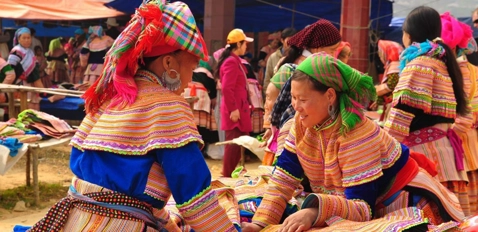
For a more rural experience, Bac Ha offers mountain landscapes and opportunities to learn about the lives and traditions of ethnic communities in the region. Its Sunday market is particularly well known, although market days and local conditions should be checked before travelling.
Rather than trying to combine Sa Pa and Bac Ha with every major destination in the country, you could replace part of the classic route with several days in the northern highlands. This gives you more time for walking, photography and encounters with local communities, while reducing the pressure of frequent transfers.
Keep in mind that mountain journeys can involve long road transfers and changing weather conditions. Trekking routes should be chosen according to your fitness level, and additional time is useful if you want to explore beyond the main tourist areas.

Option 2: Turn Your Trip into a Longer Beach Holiday
Not every traveller wants to spend two weeks moving between cities and cultural attractions. If your ideal holiday involves swimming, seafood, coastal scenery and time to relax, a 15-day trip can be organised around a smaller number of destinations.
You might begin with a few days in Hanoi and an overnight cruise in Ha Long Bay, then continue to central Vietnam for a combination of cultural visits and beach time around Hoi An and Da Nang. From there, you could extend your coastal stay rather than flying south simply to complete a north-to-south route.
Another possibility is to concentrate on a different coastal region, depending on the season, your preferred atmosphere and the availability of convenient transport connections.
The advantage of this approach is simple: fewer hotel changes and less time spent travelling. You can spend several consecutive days at the coast, enjoy local seafood, explore nearby villages and leave room for spontaneous activities.

Beach conditions vary across Vietnam throughout the year, so choose your destination according to your travel dates rather than assuming every coastline offers ideal weather at the same time.
Option 3: Explore Vietnam's Highlights at a Slower Pace
If you want a broad introduction to Vietnam without rushing, you can keep the classic north-to-south route but reduce the number of activities planned for each day.
For example, you could spend an additional night in Hoi An to explore its countryside, enjoy a cooking class or take more time at the beach. Alternatively, you might extend your stay in Hanoi or Ninh Binh if local culture and landscapes interest you more than large cities.
This approach is particularly suitable for first-time visitors, couples and travellers who prefer meaningful experiences over a long checklist of attractions.

You do not need to fill every day with organised activities. Sometimes, the most memorable moments come from wandering through a local market, discovering a family-run restaurant or spending an unhurried afternoon watching daily life unfold.
4. Should You Visit More Places or Stay Longer in Each Destination?
When planning a Vietnam itinerary for 15 days, it is tempting to use the extra time to add another city or region. However, more destinations do not automatically mean a better trip.
Vietnam is a long country, and travelling between regions may involve flights, road transfers and time spent getting to and from transport hubs. Every additional stop introduces another journey and often another hotel check-in.
If you are interested in trekking around Sa Pa and Bac Ha, for example, it may make sense to prioritise the northern mountains instead of trying to fit in every destination from Hanoi to Ho Chi Minh City. If you want a beach-focused holiday, spending several nights in one coastal area may be more rewarding than visiting multiple cities for just a day or two.

On the other hand, if this is your first visit and you want to understand the country's regional diversity, a north-to-south route remains a good option. The key is to be realistic about what can comfortably fit into your schedule.
A useful starting point is to identify your top two or three priorities. Build your itinerary around them, then add other destinations only when travel time and the overall pace allow.
If you prefer a more structured route focused on Vietnam's main highlights, explore our Vietnam in 14 Days itinerary for a practical starting point. With 15 days, you can follow a similar route at a more relaxed pace or reshape it around a specific interest.
5. How Much Does a 15-Day Trip to Vietnam Cost?
The cost of a 15-day trip to Vietnam depends on your accommodation choices, transport, activities, travel season and preferred level of comfort.

Budget-conscious travellers can reduce expenses by choosing local guesthouses, eating at neighbourhood restaurants and using shared transfers where practical. Mid-range travellers may prefer comfortable hotels, selected private transfers and guided excursions at key destinations. Those seeking a more exclusive experience can opt for boutique accommodation, private guides, customised itineraries and higher-end cruises.
Your route also affects the overall budget. A trip involving remote mountain destinations, several domestic flights and private road transfers may cost more than a slower itinerary concentrated in fewer regions.
Activities matter, too. An overnight cruise, guided trekking experience or private excursion can add significantly to the total, while independent exploration in cities may be relatively inexpensive.
For a more useful estimate, plan your budget around the itinerary you actually want rather than relying on a single average daily cost. Accommodation, internal transport and major excursions are good starting points for calculating the overall expense.

6. When Is the Best Time to Visit Vietnam for 15 Days?
Vietnam has several climatic regions, so there is no single period when every destination experiences ideal weather.
Northern Vietnam can have cool conditions in winter, warmer weather in spring and summer, and significant rainfall during parts of the year. Mountain areas such as Sa Pa may experience very different temperatures from Hanoi, so appropriate clothing is important.
Central Vietnam has its own seasonal pattern, with periods of heavy rain and possible storms that can affect beach plans and travel arrangements. Southern Vietnam generally has a tropical climate, with a dry season and a rainy season.
Your preferred activities should influence when you travel. If you want to trek in the northern mountains, research local trail conditions and temperatures. If beach relaxation is your priority, choose the coastal region according to the seasonal weather patterns. If you plan to visit several regions, allow some flexibility in case rain affects transport or outdoor activities.

Before finalising your itinerary, check the expected conditions in each destination and avoid assuming that the weather will be the same throughout the country.
7. Practical Tips for Planning Your 15-Day Vietnam Trip
Book key transport and experiences in advance. Domestic flights, overnight cruises and popular guided excursions can require advance planning, especially during busy travel periods. Mountain treks and specialised experiences may also have limited availability.
Allow enough time for transfers. A journey that looks short on a map can take longer than expected because of road conditions, traffic or connections. Check realistic travel times before adding another destination.
Avoid changing hotels too frequently. Every transfer takes time away from sightseeing and relaxation. Staying longer in selected destinations can make a trip feel more comfortable and less tiring.
Choose activities that match your travel style. Mountain trekking, beach relaxation and cultural sightseeing require different schedules and preparation. Be realistic about your fitness level, interests and preferred pace.

Keep your itinerary flexible. Weather, transport schedules and local conditions can change. Leaving some room in your plans can help you adapt without disrupting the entire trip.
Respect local communities and natural environments. Follow guidance on trekking routes, dress appropriately when visiting religious sites, and choose responsible local operators. In rural and mountainous areas, respectful behaviour and environmental awareness are particularly important.
8. Frequently Asked Questions About Visiting Vietnam in 15 Days
Is 15 days enough to visit Vietnam?
Yes. Fifteen days is enough to discover several of Vietnam's main destinations, particularly if you plan your route carefully. You can follow a north-to-south itinerary or concentrate on a specific region, depending on your interests. However, it is difficult to explore every major destination in depth within this timeframe.
Is 15 days better than 14 days in Vietnam?
The difference is not just one additional day. A 15-day itinerary gives you more flexibility to adjust the route, extend your stay in a favourite destination or choose a travel style that differs from the classic north-to-south journey. The benefit depends on how you use the extra time.
Can I visit Sa Pa and Bac Ha in 15 days?
Yes, particularly if you prioritise northern Vietnam or replace some destinations in a broader north-to-south itinerary. Sa Pa and Bac Ha require time for road transfers and exploration, so avoid adding them to an already crowded schedule without removing other stops.

Can I spend 15 days in Vietnam mainly relaxing on the beach?
Absolutely. You can combine a few cultural highlights with a longer coastal stay rather than travelling through the entire country. The best destinations depend on your travel dates, beach preferences and transport connections.
Should I travel from north to south or focus on one region?
A north-to-south route is a good choice for first-time visitors who want an overview of Vietnam's regional diversity. Focusing on one region is often better if you have a specific interest, such as trekking, rural culture or beach relaxation. Neither approach is inherently better; the right choice depends on your priorities.
Conclusion: Plan Your Vietnam Journey with DMC Vietnam Original Travel
A 15-day trip gives you the opportunity to discover Vietnam in a way that reflects your interests, whether you dream of trekking through northern mountain landscapes, relaxing by the sea or exploring the country's cultural heritage at a comfortable pace.
At DMC Vietnam Original Travel, we understand that every traveller has different expectations. Our team can help you select destinations, organise transport and create a practical itinerary that balances travel time with the experiences you value most.

Rather than simply adding more places to your route, we focus on helping you make the most of your time in Vietnam. With a well-planned itinerary, your 15-day journey can become more than a checklist of attractions: it can be a travel experience shaped around your own priorities.
You may also be interested in these articles:


