




Introduction
Vietnam is often associated with bustling cities, historic sites and long stretches of coastline, but its mountainous regions offer a very different way to experience the country. Trekking can take travelers through rice terraces, forests, valleys and rural villages, bringing them closer to landscapes and communities that are often far from the main tourist routes.
In Northern Vietnam, trekking is particularly connected with local culture. A walk through the mountains may also mean meeting ethnic minority communities, discovering traditional handicrafts, tasting local food or seeing how people live and work in remote villages.

There is no single way to experience trekking in Vietnam. Some travelers may prefer a short and gentle walk, while others are looking for a more demanding multi-day trek. For some, the landscape is the main attraction; for others, cultural encounters and local life matter just as much. Understanding these differences is the first step towards choosing the right destination and creating a trekking experience that truly suits the traveler.
1. What Makes Trekking in Vietnam Special?
Mountain Landscapes and Rice Terraces
The mountains of Vietnam offer a remarkable variety of landscapes, from forested slopes and deep valleys to high mountain passes and terraced rice fields. Northern Vietnam is particularly well known for its mountain scenery, with the Northwest standing out for its expansive valleys and spectacular rice terraces.
For many travelers, walking through these landscapes offers a different perspective from simply visiting a viewpoint. The pace of trekking allows time to notice the changing scenery, follow narrow paths between fields and see how the landscape is connected to local agriculture.
The appearance of the mountains also changes with the seasons. Rice terraces may look very different when they are freshly planted, filled with water or covered in mature crops. This seasonal character is one of the reasons why trekking in Northern Vietnam can feel different even when returning to the same region.

Local Villages and Rural Life
Many trekking routes pass through villages and farming areas rather than isolated wilderness. Along the way, travelers may see people working in the fields, traditional houses, small paths connecting communities and everyday activities that are rarely visible from a vehicle.
This makes trekking a useful way to experience rural Vietnam at a slower pace. Instead of moving directly from one attraction to another, travelers have more opportunities to observe the relationship between local communities and their surroundings.
In some areas, a trekking experience can also include a local meal, a village visit or an overnight stay in local accommodation. These elements can give greater context to the landscape and make the journey about more than simply reaching the end of a trail.
Ethnic Minority Cultures
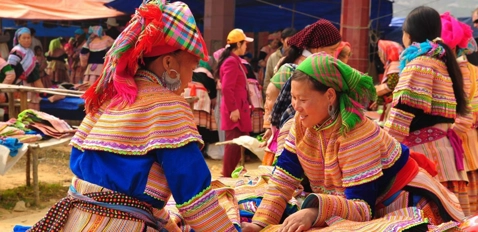
The mountainous regions of Northern Vietnam are home to many ethnic minority communities, each with their own traditions, crafts, architecture, clothing and ways of life. Trekking through these areas can therefore provide an opportunity to encounter cultural traditions in the places where they are part of everyday life.
The most meaningful experiences are not necessarily those designed as performances for visitors. A walk through a village, a conversation with a local guide, a visit to a traditional home or an opportunity to see a handicraft being made can offer a more natural connection with the community.
For travelers interested in culture, this is one of the particular strengths of trekking in Vietnam. The trail itself becomes a way to reach places and experiences that would otherwise be difficult to understand from a conventional sightseeing itinerary.

Trekking Can Be More Than a Physical Challenge
Trekking naturally involves walking and, depending on the route, climbing or navigating uneven terrain. But the physical aspect is only one part of the experience.
A trek can be an opportunity to explore nature, learn about local cultures, meet communities and discover rural life. It can also become one element of a wider Vietnam journey, combined with cultural sightseeing, gastronomy, relaxation or time at the beach.
This flexibility is especially useful when planning a tailor-made trip. A traveler who enjoys challenging outdoor activities may want several hours on the trail each day, while another may prefer shorter walks with more time for village visits and relaxation. The right trekking experience depends not only on the destination, but also on how the activity fits into the traveler’s interests, physical condition and overall journey.
2. Where Can You Go Trekking in Vietnam?
Northern Vietnam is the main region for mountain trekking, with the Northwest and Northeast offering different landscapes and experiences. Beyond the northern mountains, other parts of the country also provide opportunities to combine walking and nature with a wider Vietnam itinerary.
Trekking in Northwestern Vietnam
Northwestern Vietnam is one of the most recognizable trekking regions in the country. The area is characterized by mountains, valleys, rice terraces and rural villages, with many communities living and working among the surrounding hills.

Sapa is one of the best-known names in the region, but it is not the only option. Mu Cang Chai and Pu Luong also offer opportunities to explore mountain landscapes and rural communities on foot. Hoang Su Phi, although geographically part of Ha Giang Province, can also be considered in this wider northern trekking context because of its spectacular terraced landscapes and cultural setting.
One of the defining features of trekking in the Northwest is the relationship between the mountains and agriculture. Terraced rice fields are not simply scenic backdrops. They are part of the local landscape and the way communities have adapted to mountainous terrain over generations.
Trekking in Northeastern Vietnam
The Northeast has a somewhat different character. The region is known for dramatic mountain terrain, limestone landscapes, deep valleys and remote villages, creating trekking experiences that can feel more rugged and physically demanding in many areas.
Ha Giang is particularly well known for its spectacular mountain scenery, while Cao Bang and Bac Kan offer other possibilities for travelers interested in combining nature and local culture.
Compared with the terraced landscapes that characterize parts of the Northwest, the Northeast often places greater emphasis on steep mountain scenery, limestone formations and winding valleys. The difference is not simply a matter of scenery. Terrain, accessibility and the physical demands of individual routes can also vary considerably, which is why the choice of trekking area should take the traveler's fitness level and expectations into account.
Hoang Su Phi: Trekking Among Rice Terraces
Hoang Su Phi offers a different experience from the more established trekking destinations of Sapa and the Ha Giang Loop. Located in Ha Giang Province and relatively removed from the main tourist routes, the area is known for its extensive rice terraces, mountain scenery and communities including the Red Dao.

Trekking here can be physically demanding, particularly on routes involving steep terrain and long walks. For travelers who enjoy being active, however, the effort is part of what makes the experience rewarding. The landscape changes as the trail moves through valleys, hillsides and cultivated terraces, while villages and local communities provide a cultural dimension to the journey.
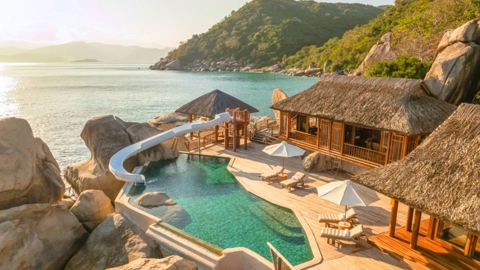
Hoang Su Phi also shows how trekking does not necessarily have to mean sacrificing comfort. Hoang Su Phi Lodge is set among the surrounding rice terraces and has a close connection with the local Red Dao community. Its private bungalows, private balconies, infinity pool and spa offering Red Dao herbal baths create a comfortable place to rest after a day in the mountains. The lodge also follows an eco-lodge approach, making the accommodation part of the wider experience rather than simply a place to sleep.
This combination can be particularly appealing to travelers who want a more active journey during the day but still value comfort and time to recover afterwards. A demanding trek can be followed by a quiet evening at the lodge, a herbal bath or simply time to enjoy the mountain surroundings.
Hoang Su Phi is therefore a useful example of how a trekking experience can bring several elements of a journey together. The mountains provide the physical challenge, the rice terraces shape the landscape, local communities add cultural depth, and suitable accommodation allows travelers to enjoy the experience at a more comfortable pace.
Trekking Beyond Northern Vietnam
Although Northern Vietnam is the country's main trekking region, opportunities for walking and nature experiences can also be found elsewhere. Parts of Central Vietnam, the Central Highlands and areas such as Bach Ma offer different natural environments and can be incorporated into broader itineraries.

These experiences may not have the same extensive rice terraces or high mountain character found in the north, but they can be useful for travelers who want to include outdoor activities without making trekking the central focus of their entire trip.
The choice ultimately depends on what the traveler wants from the experience. For some, the mountains of Northern Vietnam will be the main attraction. For others, a shorter nature walk may work better as part of a wider journey through Vietnam.
3. What Types of Trekking Can You Experience in Vietnam?
Trekking in Vietnam can take many forms, depending on the landscape, the length of the journey and what travelers want to experience along the way. A trek does not necessarily have to involve several days in the mountains. Some experiences are short and relatively gentle, while others involve longer distances, steeper terrain and overnight stays in remote areas.
Day Treks
Day treks are a practical choice for travelers who want to explore Vietnam's natural landscapes on foot without making trekking the main focus of their trip. They can range from a few hours to most of a day, depending on the route and terrain.
A day trek can work particularly well as part of a wider itinerary. Travelers may spend the morning walking through rice terraces or villages, then return to their accommodation for a more relaxed afternoon. This format can also suit travelers who are interested in mountain scenery but do not want the physical commitment of a multi-day trek.
Multi-Day Trekking
Multi-day trekking offers a more immersive experience, as travelers have more time to explore remote landscapes and spend longer periods away from the main tourist routes. Depending on the destination, the journey may involve overnight stays in local homestays, lodges or other accommodation.

Longer treks also require more careful planning. Distance, elevation, terrain, meals, accommodation and transportation all need to work together. The physical demands can be considerably greater than those of a short walk, so the route should be selected according to the traveler's fitness and previous trekking experience.
For travelers who enjoy outdoor activities, however, spending several days in the mountains can create a much stronger connection with the landscape and local communities.
Village and Cultural Trekking
In many parts of Northern Vietnam, trekking and cultural discovery naturally go together. Trails may pass through villages, rice fields and farming areas, allowing travelers to see aspects of rural life that are difficult to experience from a vehicle.
A cultural trek can include encounters with local communities, traditional houses, handicrafts, local food or agricultural activities. The experience does not have to follow a fixed program. Sometimes simply walking through a village with a knowledgeable local guide provides valuable insight into the place and the people who live there.
This type of trekking can be particularly suitable for travelers who are less interested in physical challenge and more interested in understanding the culture and everyday life of the region.
Mountain Trekking
Mountain trekking is generally more physically demanding and requires greater attention to terrain and elevation. Steep paths, uneven ground and longer walking distances can make a significant difference to the difficulty of a route, even when the total distance does not appear particularly long.

The appeal lies partly in the challenge itself. Reaching a remote viewpoint, crossing a mountain trail or spending several hours surrounded by dramatic scenery can be rewarding for travelers who enjoy active experiences.
At the same time, difficulty should not be judged by distance alone. Two routes of similar length can feel very different depending on elevation gain, weather, trail conditions and the amount of time spent walking.
Trekking Combined With Other Experiences
Trekking does not have to stand alone. It can be one part of a broader Vietnam journey and combined with experiences that match the traveler's interests and preferred pace.
A trek through a mountain village can be followed by a local meal or a cultural experience. Travelers may choose to spend the night at a comfortable lodge after a day on the trail, or combine several days of trekking with time for relaxation. Others may include a short mountain trek at the beginning of a longer holiday before continuing to cultural destinations or the coast.
This flexibility makes trekking particularly suitable for tailor-made travel. Instead of building an entire holiday around physical activity, the trekking element can be adjusted to fit naturally into the wider journey.
4. How to Choose the Right Trekking Experience in Vietnam?
There is no single trekking experience that suits every traveler. The right choice depends on several practical factors, from physical ability and available time to the level of comfort and cultural interest expected from the trip.

Consider Your Fitness Level
Fitness is one of the first things to consider when choosing a trekking route. Distance is important, but elevation, terrain and walking time can be equally significant.
A route that looks manageable on a map may feel considerably more challenging when it includes steep climbs, uneven paths or changing weather conditions. Travelers who are not regular hikers may therefore be more comfortable with shorter routes and moderate terrain, while experienced trekkers may prefer longer walks or more demanding mountain trails.
The goal is not necessarily to choose the most difficult route, but to find one that provides the right level of challenge for the individual traveler.
Consider Your Travel Style
Some travelers are attracted by the adventure and physical challenge of trekking. Others mainly want to slow down, enjoy the scenery and discover local communities.
These preferences can lead to very different itineraries. An active traveler may be happy to spend most of the day on the trail, while another may prefer a shorter walk followed by a village visit, local meal or time at the lodge.
Understanding this difference before choosing a route can make the overall experience much more enjoyable.
Consider How Much Time You Have
The amount of time available will naturally influence the type of trekking experience that makes sense. A short trek can fit into a wider itinerary, while a multi-day experience requires more time for walking, overnight stays and transportation.

Travelers with limited time may choose a day trek as part of a Northern Vietnam itinerary. Those with more flexibility can spend several days exploring a mountain region and experience the landscape at a slower pace.
It is also worth considering what comes before and after the trek. A demanding multi-day experience may be better followed by a comfortable stay or a quieter part of the itinerary rather than another series of long transfers and activities.
Consider Your Interest in Local Culture
Not every traveler approaches trekking for the same reason. Someone primarily interested in mountain scenery may prioritize landscapes, viewpoints and trails, while someone with a strong interest in local culture may prefer routes that pass through villages and communities.
For the latter, the quality of the cultural experience can matter as much as the trail itself. Local guides, opportunities to meet communities, traditional food and visits to rural areas can all add depth to the journey.
This is particularly relevant in Northern Vietnam, where trekking routes can provide a direct connection between the natural landscape and the people who live in it.
Consider Your Preferred Level of Comfort
Comfort is another important part of planning a trek, particularly when the physical demands of the journey are high.
Some travelers are happy with simple accommodation close to the trail, while others prefer to return to a more comfortable lodge after a day of walking. These preferences do not necessarily conflict with an active trekking experience.
Hoang Su Phi is a good example. A traveler can spend the day trekking through the surrounding mountain landscapes and rice terraces, then return to Hoang Su Phi Lodge for a quieter evening. Private bungalows and balconies provide a comfortable place to rest, while the lodge's spa and Red Dao herbal bath offer another way to unwind after time on the trail.

Another traveler may prefer a shorter trek and spend more time enjoying the lodge and its surroundings. Both approaches can work in the same destination because the experience can be shaped around the traveler rather than around a fixed definition of what a trekking holiday should be.
5. Trekking and Cultural Experiences in Vietnam
One of the most distinctive aspects of trekking in Vietnam is the opportunity to experience the landscape together with the communities that live there. In the northern mountains, trails often pass through villages, rice fields and areas where traditional ways of life remain closely connected to the surrounding environment.
Meeting Local Communities
A trekking route can create opportunities to meet local people in a more natural setting. With the support of a local guide, travelers can learn about the communities they pass through and better understand how people live in mountainous areas.
The interaction does not need to be elaborate. A conversation, a shared meal or simply observing everyday activities can become a meaningful part of the journey.
Exploring Traditional Villages
Walking through a village offers a perspective that is different from visiting a single cultural attraction. Travelers can see traditional houses, agricultural landscapes and the paths connecting different parts of the community.
The experience also changes depending on the region and community. This is one reason why choosing the right trekking destination matters for travelers who place cultural discovery high on their list of priorities.

Food and Local Cuisine
Food can naturally become part of a trekking experience. After several hours of walking, a meal prepared with local ingredients can provide both a welcome break and an introduction to the culinary traditions of the area.
In some itineraries, local food can be incorporated into a village visit or homestay, allowing travelers to experience regional cuisine in the same environment where it is part of everyday life.
Handicrafts and Traditional Skills
Many mountain communities have distinctive handicrafts and traditional skills that are closely connected with their cultural identity. Depending on the destination and local arrangements, travelers may have the opportunity to see these crafts being made or learn more about the techniques behind them.
These encounters can add another layer to a trekking journey, particularly for travelers who are interested in culture rather than simply passing through a scenic landscape.
Homestays and Local Accommodation
Staying overnight can make a trekking experience more immersive. A homestay or locally connected accommodation can allow travelers to spend more time in the area rather than leaving shortly after completing a trail.
The right accommodation depends on the traveler's expectations. Some may value a simple homestay and a closer connection with local life, while others may prefer a comfortable lodge that still allows them to experience the surrounding culture and landscape.
Understanding Rural Life Through Trekking
Ultimately, trekking can provide a way to understand rural Vietnam through movement. Walking between villages and fields makes the relationship between people, agriculture and the landscape easier to see.

This is what makes cultural trekking different from simply adding a cultural attraction to an itinerary. The culture is not separate from the journey. It is part of the landscape through which travelers are walking.
Trekking becomes more meaningful when the landscape is connected to the people who live there. In Vietnam, this connection is particularly visible in the northern mountains, where a journey on foot can bring together nature, culture and everyday life in a way that is difficult to reproduce through conventional sightseeing.
6. When Is the Best Time for Trekking in Vietnam?
There is no single best season for trekking across Vietnam. The country has several climate zones, and conditions can also change according to altitude and local geography. The right time therefore depends on where the trek takes place and what kind of landscape the traveler wants to see.
Northern Vietnam
Northern Vietnam is the main trekking region, and weather conditions can vary considerably between the mountains and lower-lying areas. The cooler months can be comfortable for walking, while the warmer and wetter periods may bring more challenging trail conditions.
For travelers interested in rice terraces, the season can also influence the appearance of the landscape. Depending on the area and time of year, the terraces may be freshly planted, filled with water or covered with growing rice. Travelers who have a particular landscape in mind should therefore consider both weather and the seasonal character of the destination.

Central Vietnam
Central Vietnam has its own seasonal patterns, with weather varying between the coast, mountains and different parts of the region. Trekking and nature activities should take local rainfall and trail conditions into account, particularly during periods of heavier rain.
Areas such as Bach Ma can provide opportunities for travelers who want to include nature and walking in a wider Central Vietnam itinerary. The most suitable period will depend on the specific destination and current conditions.
Southern Vietnam and the Central Highlands
The Central Highlands and southern regions offer a different climate from Northern Vietnam. Some areas can be particularly attractive during the drier months, while the rainy season may affect trails and outdoor activities.
For this reason, travelers planning a trek should look at the conditions of the specific destination rather than relying only on a general travel season for Vietnam. Local advice can also be useful when conditions change from one area to another.

7. What Should You Consider Before Trekking in Vietnam?
A successful trekking experience depends on more than choosing an attractive route. The terrain, weather, transportation and accommodation all need to be considered together, particularly when traveling to remote mountain areas.
Trekking Difficulty and Physical Preparation
Trekking difficulty depends on several factors, including distance, elevation, terrain and walking time. A route with a relatively short distance can still be demanding if it includes steep climbs or uneven trails.
Travelers should have a realistic idea of their physical condition and previous experience before choosing a route. Those who are not regular hikers may prefer a shorter or less demanding experience, while experienced trekkers can consider longer and more challenging routes.
Weather and Trail Conditions
Mountain weather can change quickly, and rain can affect both the difficulty and safety of a trail. Muddy paths, slippery surfaces and reduced visibility can make a route considerably more demanding.
Checking local conditions before departure is therefore important. A flexible itinerary can also be useful when weather conditions make a particular trail unsuitable.

Appropriate Shoes and Clothing
Comfortable footwear with good grip is particularly important on uneven or wet trails. Clothing should also be appropriate for the season and altitude, as temperatures can change significantly during a mountain journey.
Travelers should avoid overpacking, but basic protection from rain, sun and changing temperatures is worth considering, especially on longer treks.
Local Guides and Navigation
A local guide can be valuable in mountainous areas where trails are less familiar to visitors. Beyond navigation, a knowledgeable guide can also provide context about the landscape, villages and local communities along the route.
For cultural trekking in particular, local knowledge can help travelers interact with communities respectfully and understand the places they are visiting.
Accommodation and Meals
For multi-day treks, accommodation and meals need to be planned as part of the route rather than treated as separate details. Depending on the destination, travelers may stay in a local homestay, lodge or another type of accommodation.
The choice should reflect the traveler's expectations. A simple local stay may suit someone looking for a closer connection with rural life, while a comfortable lodge can be more appropriate for travelers who want to recover after a demanding day of trekking.

Transportation to Remote Areas
Some trekking destinations are located far from major cities and require several hours of road travel before reaching the trailhead. Transportation should therefore be considered when planning the itinerary, particularly when trekking is only one part of a longer Vietnam journey.
Transfer times can also affect the pace of the trip. A carefully planned itinerary should leave enough time for both the journey to the mountains and the trekking itself, without creating unnecessarily long or tiring travel days.
Personal Safety and Travel Insurance
Travelers should follow local guidance, stay within the appropriate route and take weather and terrain conditions seriously. Travel insurance that covers the activities included in the trip can also provide additional protection.
The level of preparation should correspond to the nature of the trek. A short village walk and a multi-day mountain trek do not require exactly the same planning.
8. How Can Trekking Be Combined With a Vietnam Holiday?
Trekking does not have to take over an entire Vietnam itinerary. For many travelers, it works best as one part of a wider journey, allowing them to experience the mountains while also discovering other aspects of the country.
Trekking and Cultural Discovery
A trek through Northern Vietnam can be combined with visits to villages, historical sites or other cultural experiences. This allows travelers to move between active exploration and more traditional sightseeing without making the itinerary feel repetitive.

Trekking and Nature
Travelers who enjoy the outdoors can combine trekking with other nature-based experiences such as exploring forests, valleys, waterfalls or protected natural areas. The combination can be particularly interesting when different landscapes are included within the same journey.
Trekking and Relaxation
After several hours or several days of walking, a period of relaxation can provide a useful change of pace. A comfortable lodge, a spa experience or simply a quiet evening surrounded by nature can be incorporated after a demanding trekking experience.
Hoang Su Phi is a good example of this approach. Travelers can spend the day exploring the surrounding mountain landscape on foot and return to a comfortable lodge in the evening rather than continuing directly to another activity.
Trekking and Beach Holidays
For travelers looking for a varied holiday, trekking in Northern or Central Vietnam can be followed by several days on the coast. The contrast between active days in the mountains and slower days by the sea can create a more balanced itinerary.
This approach can also work well for couples, families and private groups who want to combine different interests during the same trip.
Trekking as Part of a Tailor-Made Vietnam Tour
A traveler does not necessarily need to book a dedicated trekking holiday to enjoy trekking in Vietnam. A short trek can be included in a broader cultural journey, while a more demanding experience can become the main outdoor component of a longer itinerary.
The trekking element can be adjusted according to the traveler's interests, available time and physical condition. This makes it possible to create a Vietnam tour where trekking complements the rest of the journey rather than dictating its entire structure.

9. How Can a Local DMC Personalize Trekking in Vietnam?
Trekking requires more coordination than simply selecting a trail from a map. The destination, route, guide, transportation, accommodation and pace all need to match the traveler and the wider itinerary.
Matching Routes With Travelers' Fitness Levels
A local DMC can help assess the practical demands of a trekking route and match them with the traveler's fitness level and previous experience. This can help avoid choosing an itinerary that is either unnecessarily difficult or too limited for the traveler.
Selecting the Right Destination
Different mountain regions offer different landscapes, cultural experiences and levels of accessibility. A DMC with local knowledge can help determine whether a traveler would be better suited to the terraced landscapes of the Northwest, the more rugged terrain of the Northeast or another nature destination.
Combining Trekking With Local Experiences
Trekking can be connected with village visits, local food, handicrafts, homestays and other cultural experiences. The combination can be planned according to what the traveler is genuinely interested in rather than adding cultural activities simply to fill the itinerary.

Arranging Guides, Transport and Accommodation
Remote trekking requires practical coordination. Local guides, transfers, meals and accommodation need to fit the route and the timing of the trip.
This becomes particularly important when trekking is part of a larger itinerary, as the journey to and from the mountains must connect smoothly with the next destination.
Adjusting the Experience Around the Traveler
The same destination can support very different experiences. One traveler may want challenging trekking during the day and comfortable accommodation at night. Another may prefer shorter walks, more cultural interaction and additional time to relax.
A tailor-made approach allows these preferences to shape the itinerary rather than requiring travelers to fit into a fixed trekking package.
Providing Local Support
Local support is especially useful when traveling in remote areas. A DMC can coordinate with guides, accommodation providers and local partners before and during the trip, helping ensure that the different elements of the experience work together.
Vietnam Original Travel can help travelers and international Tour Operators develop tailor-made trekking experiences in Vietnam based on fitness level, interests, preferred comfort and the wider itinerary. The aim is not simply to arrange a trek, but to make sure the trekking experience fits naturally into the journey as a whole.

10. Conclusion: Discover Vietnam Beyond the Main Tourist Routes
Trekking in Vietnam is not simply about climbing mountains or covering a certain number of kilometers. It can be a way to discover rice terraces, forests and valleys while getting closer to local communities, food, traditions and rural life.
Northern Vietnam offers some of the country's most distinctive trekking landscapes, but the right experience depends on the traveler. Some may want a demanding mountain trek, while others may prefer a shorter walk combined with cultural experiences and comfortable accommodation.
With the right planning, trekking can become an integral part of a wider Vietnam journey. A local DMC can help connect the route, activities, accommodation and logistics to create an experience that reflects the traveler's interests and preferred pace.
Contact Vietnam Original Travel to discuss a tailor-made trekking experience in Vietnam.
You may also be interested in these articles:
How to Develop a Tailor-Made Vietnam Tour for International Clients
How to Adapt a Vietnam Itinerary to Different Client Profiles?


