




Introduction
Wellness in Vietnam is about much more than booking a massage or spending a few hours at a spa. For some travelers, it means slowing down at a quiet resort, joining a morning yoga session and having time to rest. For others, it may mean spending several days in the mountains, enjoying nature, discovering local traditions, eating well or simply taking a break from a busy routine. A wellness journey can also combine relaxation with cultural experiences, gentle outdoor activities or a few days by the beach.

The place where travelers stay can be just as important as the activities themselves. A suitable resort or lodge may offer dedicated spa facilities, treatment rooms, outdoor spaces for yoga and meditation, healthy dining, mineral baths or simply a peaceful setting surrounded by nature. The most suitable wellness journey depends less on following a standard package and more on understanding what the traveler actually wants to feel and experience.
1. What Does Wellness in Vietnam Really Mean?
More Than Spa and Massage
Spa treatments and massage are often the first things that come to mind when people think about wellness, but they are only part of the picture. A wellness journey can be built around rest, movement, nature, food, mindfulness or cultural experiences, depending on the traveler.
This is particularly relevant in Vietnam because wellness can easily be combined with the wider travel experience. A traveler might spend the morning visiting historic sites in Hue, enjoy a relaxing treatment in the afternoon and have a quiet dinner in the evening. Another might stay in a mountain lodge, take a gentle walk through the surrounding landscape and experience a traditional herbal bath.
There is therefore no single formula for wellness in Vietnam. The experience can be luxurious and highly structured, or simple, quiet and closely connected with the destination.
Wellness Through Nature
Vietnam offers very different natural settings for a wellness stay, from beaches and islands to mountains, rice terraces, rivers and countryside landscapes. The setting itself can make a significant difference to the way a traveler experiences a trip.

A mountain lodge surrounded by rice terraces creates a very different atmosphere from a beachfront resort. In the mountains, the focus may be on quietness, fresh air, views and time in nature. By the coast, the experience may revolve around the sea, swimming, spa treatments and long periods of rest.
For some travelers, simply having a room with a private balcony overlooking a valley or a peaceful outdoor space where they can sit in the morning can become part of the wellness experience.
A Slower Way of Travelling
Wellness does not necessarily mean filling the itinerary with activities designed to improve wellbeing. In many cases, the opposite is true.
A well-designed wellness itinerary leaves enough space between activities. A morning yoga session can be followed by a relaxed breakfast rather than another scheduled excursion. The afternoon might be reserved for a spa treatment, reading by the pool or taking a gentle walk. There may be no need to visit another attraction before dinner.
This slower rhythm can also be incorporated into a wider Vietnam itinerary. Travelers do not necessarily need to spend an entire week at a retreat. A few carefully planned wellness days can provide a welcome change of pace after several busy days of sightseeing.
Wellness and Local Culture
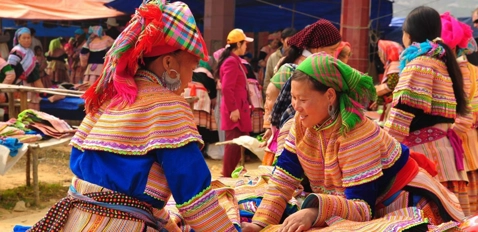
Vietnamese wellness can also be connected with local traditions and ways of life. In the northern mountains, for example, travelers may encounter traditional herbal bathing practices associated with ethnic communities.

The Red Dao herbal bath is one such experience. Traditionally connected with the Red Dao community, it can introduce travelers to local knowledge, plants and bathing customs while also providing a relaxing experience after time spent outdoors.
For a culturally aware wellness journey, the value lies not only in the activity itself but also in understanding where it comes from and how it fits into local life.
2. What Can a Wellness Stay in Vietnam Look Like?
Wellness Resorts With Dedicated Spa Facilities
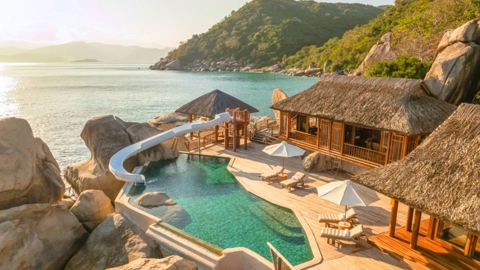
Some of Vietnam's higher-end resorts are designed with wellness as an important part of the overall stay rather than simply offering massage as an additional hotel service. These properties may have dedicated spa facilities, treatment rooms, relaxation areas and spaces for different forms of wellness activity.
Depending on the property, travelers may be able to combine accommodation with massage or body treatments, mineral bathing, yoga sessions, fitness facilities or other wellness services. Some resorts also place particular emphasis on healthy dining or personalized wellness programmes.
For travelers who want comfort and convenience, this type of accommodation can make the wellness experience very easy to organize. Much of what they need is available within the property, allowing them to spend more time resting rather than moving between different locations.
Accommodation Designed Around Nature
Not every wellness stay needs to take place in a large resort. In some parts of Vietnam, smaller lodges and retreats can provide a more intimate experience by making the surrounding landscape part of the stay.

Mountain lodges, private bungalows and countryside retreats can offer a sense of privacy and connection with nature that is difficult to recreate in a city hotel. A private balcony overlooking rice terraces, a garden surrounded by trees or a quiet outdoor area can become an important part of the daily rhythm.
Hoang Su Phi Lodge is a good example of this approach. Located among the famous rice terraces of Hoang Su Phi, the lodge combines private bungalows and balconies with an infinity pool, spa facilities and traditional Red Dao herbal bathing. The surrounding landscape and connection with the local community are also part of the experience.
This kind of setting can work particularly well when wellness is combined with gentle outdoor activities or trekking. Travelers can spend time in the mountains during the day and return to a comfortable place to rest and recover afterwards.
Outdoor Spaces for Yoga and Meditation
The physical setting of a wellness activity can be just as important as the activity itself. Practising yoga in an enclosed room can be perfectly suitable, but a garden, terrace, wooden deck or quiet space overlooking the mountains or sea can create a very different experience.
Some wellness properties therefore include outdoor spaces that can be used for yoga, meditation or quiet morning sessions. Depending on the location, this could mean practising beside a garden, overlooking rice terraces or near the beach.

For tour operators developing a wellness product, these details are worth considering when selecting accommodation. The question is not simply whether a hotel offers yoga, but where and how the activity takes place.
Wellness Facilities Integrated Into the Stay
The strongest wellness properties often bring several elements together rather than treating wellness as a single service. Accommodation, spa facilities, food, movement, nature and relaxation can all form part of the same experience.
A traveler might wake up in a quiet bungalow, practise yoga outdoors, have breakfast using fresh local ingredients, spend part of the afternoon at the spa and finish the day with a relaxed dinner. Another might replace yoga with a gentle walk, a cultural activity or simply more time by the pool.
This is what distinguishes a genuinely wellness-oriented stay from a conventional hotel that happens to have a massage service. The entire environment supports the purpose of the trip, while still leaving room for travelers to enjoy Vietnam in their own way.
3. What Wellness Experiences Can You Have in Vietnam?
A wellness journey in Vietnam can take many forms. For some travelers, the main purpose is simply to rest and disconnect from a busy routine. Others may want to stay active, practise yoga, spend time in nature or discover local traditions. The advantage of Vietnam is that these experiences do not have to be kept separate. They can be combined within the same journey, with the right balance between activity and time to rest.
Spa, Massage and Body Treatments
Spa treatments are among the easiest wellness experiences to include in a Vietnam itinerary, particularly after several days of sightseeing or travelling between destinations.

Instead of adding a short treatment between two other activities, a well-planned itinerary can give travelers an entire afternoon to enjoy the spa. This creates a more relaxed rhythm and allows the treatment to become part of the journey rather than another item on a busy schedule.
Depending on the accommodation, the experience may include massage, body treatments, relaxation areas or other spa services. At a high-end resort, travelers may also be able to spend the rest of the afternoon by the pool, in the garden or in another quiet area of the property.
Mineral Baths and Relaxation
Where suitable facilities are available, mineral baths can also form part of a wellness stay. For many travelers, the appeal is simply the opportunity to spend time in a calm environment and make bathing part of a slower daily routine.
Mineral bathing can be combined with other elements of the stay rather than treated as a standalone activity. A morning in nature, an afternoon of bathing and relaxation, and a quiet dinner can create a simple but effective wellness day.
The availability and type of facilities vary between properties and destinations, so these experiences are best selected according to the accommodation and the traveler's expectations.
Yoga and Meditation
Yoga and meditation can be incorporated into a wellness journey in different ways. A traveler may join a morning group session, arrange a private class or follow a more structured programme during a dedicated retreat.

The surroundings can also make a difference. An outdoor yoga session on a terrace overlooking the mountains, in a garden or near the sea offers a very different atmosphere from practising in an indoor studio.
Meditation can similarly be kept simple. A quiet morning session, a few minutes of mindfulness before breakfast or an evening practice can fit naturally into a wider itinerary without turning the entire trip into a formal retreat.
Gentle Nature Activities
Wellness travel does not have to mean staying indoors. Time in nature can be one of the simplest ways to introduce movement and variety into a relaxing itinerary.
Gentle activities might include walking through the countryside, cycling around a rural area, visiting a garden, taking a slow boat trip or simply spending time outdoors. The important point is that the activity should suit the overall pace of the journey.
This is different from an adventure or trekking programme, where physical activity is often a central part of the experience. In a wellness itinerary, nature activities can be shorter and more flexible, leaving enough time afterwards for rest.
Food and Nutrition
Food can play an important role in a wellness journey, particularly in Vietnam, where cuisine is closely connected with fresh ingredients, local produce and regional traditions.
A wellness itinerary does not necessarily require a strict diet. It can simply give travelers the opportunity to enjoy fresh local food, balanced meals and carefully selected dining experiences while discovering the culinary culture of each destination.

For travelers who specifically request it, a more personalized nutrition-focused programme can also be considered, depending on the services available. Cooking experiences can provide another way to connect food with wellness, especially when they allow travelers to learn about local ingredients and cooking traditions rather than simply eating at a restaurant.
Traditional Wellness Experiences
Vietnam also offers opportunities to discover wellness through local traditions. These experiences can add a cultural dimension that is difficult to recreate in a conventional wellness resort.
The Red Dao herbal bath in northern Vietnam is a good example. Traditionally associated with the Red Dao community, the experience introduces travelers to local knowledge and bathing customs while offering a quiet moment of relaxation.
For a wellness journey, traditional experiences are most meaningful when their cultural context is respected. They do not need to be presented as medical treatments. Instead, they can be part of a broader journey that connects wellness, local culture and the environment.
4. Where Can You Experience Wellness in Vietnam?
Vietnam offers several very different settings for wellness travel. The right destination depends on whether the traveler is looking for a beach resort, a cultural experience, a mountain retreat or simply a slower version of a classic Vietnam holiday.
Hue: Wellness, Culture and a Slower Pace
Hue is particularly suitable for travelers who want to combine wellness with culture. The former imperial capital offers heritage, local cuisine and a more unhurried atmosphere, making it possible to build an itinerary that does not feel rushed.

A wellness journey in Hue can combine cultural sightseeing with time at a comfortable hotel or resort, spa treatments and relaxed meals. Rather than spending every day moving from one attraction to another, travelers can alternate between discovering the city's heritage and simply enjoying time for themselves.
This makes Hue particularly interesting for a tailor-made wellness itinerary. Wellness does not have to be the only theme of the trip. It can be woven naturally into a cultural journey, giving travelers time to slow down without giving up the opportunity to discover one of Vietnam's most distinctive destinations.
Central Vietnam: Beach Resorts and Wellness
Da Nang and Hoi An offer another combination, bringing together beaches, comfortable resorts, spa experiences and cultural discovery.
A traveler can stay at a beachfront property, spend part of the day at the spa or by the pool and then explore Hoi An at a slower pace. Yoga, relaxation and free time can be incorporated without separating wellness completely from the rest of the holiday.
This combination also works well for couples and travelers looking for a comfortable leisure experience. The beach provides a natural setting for relaxation, while Hoi An adds food, culture and a sense of place.
Phu Quoc: Beach Wellness and Complete Relaxation
For travelers who want wellness to be the main purpose of their stay, Phu Quoc can offer a more resort-focused experience. Its beaches and range of comfortable coastal accommodation make it suitable for an itinerary built around rest, spa treatments, swimming and time outdoors.

A wellness stay here can be deliberately simple. Travelers may spend their mornings by the sea, enjoy a yoga session or spa treatment, and leave the rest of the day open. For someone who has spent months travelling for work or following a demanding routine, that lack of pressure can be an important part of the experience.
Phu Quoc can also be added to a wider Vietnam itinerary when travelers want to finish a cultural or sightseeing journey with several days of complete relaxation.
Northern Mountains: Nature, Wellness and Local Traditions
The mountains of northern Vietnam offer a very different approach to wellness. Sapa, Hoang Su Phi and other mountainous areas can provide dramatic landscapes, rice terraces, quiet surroundings and opportunities to connect with local communities.
Here, the accommodation can become an important part of the experience. A mountain lodge surrounded by rice terraces may combine comfortable rooms or private bungalows with spa facilities, outdoor spaces and opportunities to discover local traditions.
Hoang Su Phi Lodge is one example. Set among the rice terraces of Hoang Su Phi, it offers private bungalows with balconies, an infinity pool and spa facilities, while the Red Dao herbal bath provides a connection with a local wellness tradition.
This type of stay works particularly well when wellness is combined with gentle outdoor activities or trekking. Travelers can spend time exploring the landscape during the day and return to a comfortable lodge for rest and relaxation.
Ninh Binh and Other Nature-Based Destinations
Ninh Binh can also be incorporated into a wellness journey for travelers who enjoy nature and a slower pace without wanting to stay in a dedicated retreat.

The surrounding countryside provides opportunities for gentle cycling, boat experiences and walks, while comfortable accommodation can provide a quiet base between activities. The destination can therefore work well as part of a broader itinerary where travelers want to introduce a few slower days between more active sightseeing.
Other nature-based destinations can be considered in a similar way. The important question is not whether a destination is officially a wellness destination, but whether its landscape, accommodation and available experiences can support the type of journey the traveler wants.
5. What Types of Wellness Journeys Can You Create in Vietnam?
There is no single model for a wellness tour in Vietnam. The same destination can be used to create very different products depending on the traveler's interests, preferred level of comfort and available time.
A Relaxing Wellness Holiday
A relaxing wellness holiday can focus primarily on comfortable accommodation, spa facilities, a pleasant natural setting and plenty of free time.
A high-end resort by the beach or in the mountains can provide the foundation, with spa treatments, swimming, good food and optional activities added around it. The itinerary should remain deliberately light, allowing travelers to decide how much they want to do each day.
This type of journey can work particularly well for travelers who are looking for a genuine break rather than a programme filled with scheduled activities.
A Yoga and Meditation Retreat
A yoga and meditation retreat places more emphasis on structured wellness activities. Accommodation with suitable outdoor spaces, quiet surroundings and dedicated wellness facilities can provide the right environment.

Depending on the programme, travelers may begin the day with yoga, have time for relaxation and meals, and return to another session later in the day. Private sessions can also be arranged where appropriate.
The surrounding destination still matters. A mountain, beach or countryside setting can reinforce the sense of separation from everyday life without requiring the traveler to stay in an isolated retreat.
A Nature-Based Wellness Journey
A nature-based wellness journey combines comfortable accommodation with time outdoors and gentle physical activity.
A mountain lodge or countryside retreat can serve as the base. Days might include walking, cycling or exploring the surrounding landscape, followed by time at the property to rest, enjoy a spa service or simply take in the scenery.
This approach is particularly suitable for travelers who find relaxation in being outdoors rather than spending an entire holiday inside a resort.
A Wellness and Cultural Journey
Wellness and cultural discovery can work naturally together in Vietnam. The journey can include heritage sites, local food, traditional experiences and comfortable periods of rest.
Hue is a good example of this approach, where cultural discovery can be balanced with spa time and a slower itinerary. In the northern mountains, wellness can be connected with local communities, landscapes and traditional practices.
For international travelers, this can create a more distinctive product than a conventional spa holiday because the destination itself remains an important part of the experience.
A Food and Nutrition-Focused Journey
For some travelers, wellness is closely connected with what they eat and how they experience food.
A nutrition-focused journey can include fresh local cuisine, carefully selected meals, cooking experiences and, when specifically requested and available, personalized nutrition services.
The focus does not have to be on restrictive diets. It can instead introduce travelers to the ingredients, cooking methods and regional food traditions of Vietnam while giving greater attention to balanced and considered dining.
A Fully Tailor-Made Wellness Journey
A tailor-made wellness journey can combine several of these approaches rather than following a fixed retreat programme.

One traveler may want a luxury beach resort with daily spa treatments and yoga. Another may prefer a mountain lodge, gentle trekking, a traditional herbal bath and several quiet days in nature. A third may want a classic Vietnam itinerary with cultural sightseeing, local food and only a few carefully chosen wellness stays along the way.
This flexibility is particularly valuable for tour operators developing products for different client profiles. Instead of selling one standard wellness package, the itinerary can be built around the traveler's preferred setting, activities, accommodation and pace.
6. How Can Wellness Be Combined With a Vietnam Holiday?
Wellness does not have to exist separately from the rest of a Vietnam holiday. In fact, combining wellness with other travel interests can create a more varied and natural journey. A traveler may want to discover Vietnam's history and cuisine while still having time to rest, or spend several active days in the mountains before moving to a comfortable lodge for a slower stay.
This flexibility also gives tour operators more possibilities when developing Vietnam products. Rather than creating a completely separate wellness retreat, wellness can be introduced into an existing itinerary through the right destination, accommodation and pace.
Culture and Wellness
Culture and wellness can complement each other particularly well when the itinerary allows enough time to experience both.

Hue is a good example. Travelers can explore the city's imperial heritage, discover local cuisine and enjoy its slower atmosphere, while also including spa treatments and periods of rest in a comfortable hotel or resort.
The key is not to schedule cultural visits from morning to evening. Leaving space between experiences allows travelers to appreciate the destination without feeling that wellness has been added as another task on the itinerary.
Nature and Wellness
Nature can provide the setting for a wellness experience without requiring a formal retreat.
In northern Vietnam, for example, travelers can stay in a mountain lodge surrounded by rice terraces, spend time outdoors and discover local villages, then return to a comfortable property for a spa treatment, herbal bath or quiet evening.
The same principle can be applied to countryside destinations. Gentle cycling, walking or time beside a river can be combined with comfortable accommodation and unstructured periods of rest.
Here, nature is not simply something to see during an excursion. It becomes part of the atmosphere in which the traveler spends several days.
Trekking and Wellness
Trekking and wellness may appear to belong to opposite types of travel, but they can work surprisingly well together when the itinerary is designed around recovery and comfort.
A day of trekking can be followed by a stay at a mountain lodge where travelers have time to rest, enjoy a spa service or traditional herbal bath, have dinner and spend the evening without another scheduled activity.
This active day followed by a comfortable wellness stay can be particularly attractive for travelers who enjoy nature and physical activity but do not want an entire trip built around adventure.

For tour operators, it also creates an opportunity to combine two different travel interests within the same product.
Food and Wellness
Food is another natural connection between wellness and the wider Vietnam travel experience.
Travelers can discover regional cuisine while paying greater attention to fresh ingredients, balanced meals and the way food is prepared. Cooking experiences can also become part of the journey, giving travelers a more direct connection with local ingredients and culinary traditions.
For clients specifically interested in nutrition, a more personalized programme may be arranged when suitable services are available. This can add another layer to a wellness journey without requiring the entire holiday to revolve around a restrictive diet or formal retreat programme.
Beach and Wellness
Beach destinations provide an easy setting for a slower wellness holiday. A comfortable resort can combine spa treatments, yoga, swimming, time outdoors and unstructured periods of relaxation within the same stay.
Central Vietnam and Phu Quoc can work particularly well for this type of journey. Travelers may spend the morning by the sea or join a yoga session, enjoy a spa treatment in the afternoon and have the evening free for dinner or simply more time at the resort.
Beach wellness can also work well at the end of a longer Vietnam itinerary, giving travelers several quiet days after a more active period of cultural sightseeing.

Wellness as Part of a Classic Vietnam Itinerary
Not every traveler looking for wellness wants a dedicated seven-day retreat. For many people, a few carefully planned wellness days can be enough to change the rhythm of a longer holiday.
A classic Vietnam itinerary, for example, could include cultural sightseeing in Hanoi, time in Hue and Hoi An, followed by a few nights at a wellness-oriented property before continuing to Ho Chi Minh City. Another itinerary could combine a more active northern journey with two nights at a mountain lodge where travelers can slow down and recover.
This approach is especially useful for tour operators. Wellness does not always need to be sold as a completely separate product. It can be introduced as an added dimension to an existing Vietnam itinerary, allowing the same destination and accommodation network to serve different client interests.
7. How to Choose the Right Wellness Experience in Vietnam?
Choosing a wellness experience is not simply a question of finding a hotel with a spa. The right choice depends on what the traveler expects from the journey and how they want to spend their time.
Start With What Wellness Means to the Traveler
The word wellness can mean very different things to different people.
One traveler may primarily want rest and privacy. Another may be interested in yoga and meditation. Someone else may feel most comfortable spending time in nature, eating well or discovering local traditions.
Understanding this preference at the beginning makes it much easier to select the right destination and accommodation.
Consider the Preferred Level of Activity
A wellness holiday should not automatically be assumed to be passive.
Some travelers may want to spend most of the day at a resort, with only a spa treatment or yoga session. Others may prefer cycling, gentle walks, nature activities or even trekking followed by comfortable recovery time.

The important point is to make the level of activity consistent with the traveler's expectations rather than simply adding activities because they are associated with wellness.
Consider the Setting
The setting can shape the entire experience.
A beachfront resort may suit someone looking for swimming, spa treatments and long periods of relaxation. A mountain lodge may be more appropriate for travelers who want nature, quiet surroundings and local traditions. A heritage destination such as Hue may work better for someone who wants wellness combined with cultural discovery.
There is no universally suitable setting. The right one depends on the experience the traveler wants to have.
Consider the Accommodation
Accommodation deserves particular attention when planning a wellness journey because the property may become part of the experience itself.
Beyond checking whether a hotel has a spa, it is worth looking at the actual facilities and environment. This can include treatment rooms, outdoor spaces for yoga or meditation, private gardens, pools, mineral bathing facilities, dining options and the overall level of privacy.
The surrounding environment matters as well. A beautiful property in a busy location may create a very different experience from a quiet lodge surrounded by mountains or rice terraces.
For tour operators, accommodation selection is therefore not simply a matter of room category and star rating. It is part of product design.
Consider How Much Time You Have
The length of the stay should influence the type of wellness experience selected.
A two-night wellness stay may be ideal as a short period of rest within a longer Vietnam itinerary. A five- or seven-night stay allows more time for structured activities such as yoga, meditation, spa treatments and nature experiences.

A short stay should not be overloaded with activities. Conversely, a longer retreat needs enough variety and flexibility to remain enjoyable over several days.
Decide Whether Wellness Is the Main Theme or One Element of the Trip
Finally, it is useful to decide how prominent wellness should be within the overall holiday.
For some travelers, wellness is the main reason for travelling. For others, it is one element of a broader interest in culture, nature, food or leisure.
This distinction affects everything from destination and accommodation to itinerary pace. A wellness-focused retreat may require a property with dedicated facilities and a carefully structured programme, while a classic Vietnam holiday may only need a few spa treatments, slower days or a relaxing stay at the right point in the journey.
8. Wellness and Local Traditions in Vietnam
Modern wellness in Vietnam can also be connected with traditions that have developed within local communities. These experiences are particularly interesting because they introduce travelers to a different understanding of relaxation and wellbeing while giving greater cultural context to the journey.
The Red Dao Herbal Bath Tradition
The Red Dao herbal bath is one of the best-known traditional wellness experiences associated with northern Vietnam. The practice is connected with Red Dao communities and involves bathing with locally prepared herbs.
For travelers, the experience can be part of a wider mountain journey that includes time in nature, cultural discovery and comfortable accommodation. It can be especially appealing after a day spent walking or exploring the surrounding landscape.
Its value in a travel itinerary lies in both the experience itself and the opportunity to learn about a local tradition. It should therefore be presented in its cultural context rather than as a medical treatment.
Nature and Traditional Knowledge
Traditional wellness experiences are often closely connected with the natural environment. Local knowledge of plants, food and bathing practices can reflect the relationship that communities have developed with the landscapes around them.

This connection can add depth to a wellness journey. Instead of experiencing wellness only through modern facilities, travelers can also discover how local traditions have incorporated nature into everyday life.
For international travelers, this can turn a relaxing activity into a meaningful cultural experience.
From Traditional Practices to Contemporary Wellness
Vietnam's wellness landscape today brings together two different worlds. Modern resorts can offer contemporary spa facilities, yoga spaces, comfortable accommodation and carefully designed relaxation areas, while local traditions provide a connection with culture and place.
These elements do not necessarily need to compete with each other. A mountain journey might combine a modern spa with a traditional herbal bath. A luxury resort stay might include local cuisine and cultural experiences alongside contemporary wellness facilities.
This combination of traditional practices, natural surroundings and modern hospitality is one of the most interesting ways to approach wellness in Vietnam.
9. How Can a Local DMC Personalize a Wellness Journey in Vietnam?
A wellness journey becomes much more meaningful when it is designed around the traveler rather than built from a standard programme. A local DMC can connect the traveler's interests with the right destination, accommodation, experiences and pace, while also taking care of the practical coordination behind the journey.
Understanding the Traveler's Wellness Goals
The first step is understanding what the traveler actually expects from wellness.
Some travelers may primarily want rest, privacy and comfortable surroundings. Others may be interested in yoga, meditation, nature, food or local traditions. Some may want a combination of relaxation and gentle activity rather than a conventional retreat.
These preferences help determine the structure of the journey. They also prevent wellness from becoming a collection of unrelated activities added to an itinerary simply because they are associated with wellbeing.
Selecting the Right Destination and Accommodation
Choosing the right property is just as important as choosing the destination. The accommodation is part of the wellness experience itself, so a DMC needs to consider whether a property genuinely fits the concept of the journey.

A traveler looking for nature and quiet surroundings may be better suited to a mountain lodge surrounded by landscapes and local communities. Someone seeking complete relaxation may prefer a beachfront resort with space to enjoy the sea, pool and spa facilities. A traveler who places greater importance on spa treatments and comfort may be more interested in a high-end resort with dedicated wellness facilities.
Hoang Su Phi Lodge is a good example of how these elements can come together. Located among the rice terraces of northern Vietnam, the lodge offers private bungalows with balconies, an infinity pool and spa facilities, as well as the opportunity to experience a traditional Red Dao herbal bath. Its mountain setting and connection with the surrounding community make the property suitable for a journey that combines nature, local culture and comfortable recovery after outdoor activities.
The objective is therefore not simply to find a beautiful hotel. It is to find the property that supports the idea behind the tour.
Coordinating Wellness Experiences
Once the destination and accommodation have been selected, the different elements of the wellness programme can be coordinated around the traveler.
Depending on the itinerary, this may include spa treatments, yoga, meditation, mineral bathing, food experiences, gentle outdoor activities or traditional wellness experiences connected with local communities.
These services do not necessarily need to follow a fixed programme. Some travelers may prefer a more structured retreat, while others may want only a few planned activities and plenty of free time.
A local DMC can coordinate the appropriate services according to the requested concept, the selected property and availability.
Balancing Wellness With Sightseeing
A wellness journey does not mean that travelers have to give up discovering Vietnam.
Cultural visits, local markets, culinary experiences and nature excursions can remain part of the itinerary, provided they are planned at an appropriate pace. The key is to avoid filling every day with sightseeing and then adding a spa treatment on top.
For example, a cultural morning in Hue could be followed by a relaxed afternoon at the hotel. A day of exploring a mountain landscape could be followed by an evening with no scheduled activity.
Wellness works best when it changes the rhythm of the journey rather than simply adding more items to the schedule.
Creating the Right Pace
Pace is one of the most important elements of a wellness journey and one of the areas where local destination knowledge can make a practical difference.
A DMC can assess travel times, transfers, sightseeing requirements and activity levels when developing the itinerary, then create enough space for rest between them.

This may mean staying several nights in one location rather than moving every day, allowing a free afternoon after an active excursion or placing the wellness stay at a point in the itinerary where travelers are most likely to appreciate it.
The result should feel intentional rather than rushed. For wellness travel, what is left out of the itinerary can be just as important as what is included.
Arranging Personalized Requests
Wellness programmes can also be adapted when travelers have specific interests or requests.
Depending on the request and availability, a wellness programme can include personalized nutrition, yoga-focused services or mental-wellness programmes involving professional consultants.
Such services should be considered as part of the overall travel concept rather than added automatically. The DMC can discuss the request, identify suitable options and coordinate the arrangements with the relevant service providers.
Supporting the Journey Locally
Personalization does not end when the itinerary has been confirmed. A local DMC can continue coordinating the different elements before and during the trip.
Accommodation, transfers, activities, meals and wellness services may involve different suppliers and schedules. Having one local partner coordinate these elements helps keep the operation connected and allows adjustments to be handled locally when necessary.
For international tour operators, this local coordination is particularly useful when developing a wellness product for clients who expect a smooth and carefully paced experience.
10. Why Choose a Local DMC for a Wellness Journey in Vietnam?
Wellness travel involves more than selecting a resort and adding a spa treatment. The quality of the final product depends on how well the destination, accommodation, activities and pace work together.
For tour operators developing wellness products in Vietnam, a local DMC can provide the destination knowledge and operational coordination needed to turn a general concept into a workable itinerary.
Local Knowledge of Wellness Destinations
A local DMC understands the differences between destinations that may appear similar on paper.
A mountain property can offer a very different experience from a beach resort, while a heritage destination such as Hue can combine cultural discovery with a slower pace in a way that a pure resort destination cannot.

This local perspective helps tour operators select destinations based on the experience they want to create rather than relying only on standard tourism categories.
Access to Different Types of Accommodation
A wellness product does not have to be built around one particular type of property.
Depending on the concept, a DMC can consider high-end beach resorts with dedicated spa facilities, mountain lodges surrounded by nature, or comfortable accommodation in destinations where wellness can be combined with cultural discovery.
The important question is whether the property supports the intended travel experience. Facilities such as treatment rooms, yoga or meditation spaces, pools, mineral bathing options, outdoor areas and suitable dining can all influence the choice.
Flexible Supplier Coordination
Wellness travel often requires flexibility because the appropriate services depend on the client's request rather than a single standard programme.
Vietnam Original Travel does not work from a fixed list of wellness partners. Wellness services can instead be coordinated according to the client's requirements, the itinerary and the availability of suitable providers.
This allows a wellness journey to be developed around the traveler and the concept of the product rather than forcing every client into the same set of services.
Tailor-Made Itinerary Design
A local DMC can bring the wellness component into the wider structure of a Vietnam tour.
A tour operator may want to create a dedicated wellness retreat, but it may also want to add two nights at a mountain lodge to an existing itinerary, combine cultural discovery in Hue with spa and relaxation, or finish a longer journey with several days at a beachfront resort.

The itinerary can therefore be developed according to the target market, travel duration, accommodation level and type of wellness experience being offered.
One Local Partner for the Operation
A wellness journey may involve accommodation, transfers, meals, sightseeing, spa services, yoga or meditation sessions and other specialized experiences.
Coordinating these elements through one local DMC gives the tour operator a single operational partner on the ground. The DMC can manage the connections between different services and help ensure that the final itinerary remains coherent from arrival to departure.
For international partners, this means that wellness can be incorporated into a Vietnam product without having to manage every local supplier independently.
Conclusion: Wellness Can Be Another Way to Discover Vietnam
Wellness in Vietnam does not have to mean spending seven days in a dedicated retreat. It can take the form of a relaxing spa stay, a mountain lodge surrounded by nature, a beachfront resort, a yoga-focused journey, a cultural experience or simply a few carefully planned wellness days within a classic Vietnam itinerary.
What matters is how these elements are brought together. With the right destination, accommodation, experiences and pace, wellness can become part of the way travelers discover Vietnam rather than a separate activity added to the trip.
For tour operators, this flexibility also creates room for different product concepts and client profiles.
Contact Vietnam Original Travel to discuss a tailor-made wellness journey in Vietnam.
You may also be interested in these articles:
How to Choose a DMC for a Tailor-Made Vietnam Tour
Trekking in Vietnam: Routes, Destinations and Cultural Experiences


