




Vietnam is a country of remarkable contrasts, where ancient towns, vibrant cities, dramatic mountains, peaceful countryside and tropical beaches come together along a long and diverse coastline. Spending 12 days in Vietnam gives you a good opportunity to discover its culture, landscapes and cuisine, provided you choose your destinations carefully.
You can travel from the northern mountains to the southern Mekong Delta, stopping in historic cities and coastal destinations along the way. However, visiting all three regions in just 12 days means travelling at a relatively fast pace. If you prefer a more relaxed holiday, focusing on two regions is often a better choice, leaving more time to explore local life, enjoy regional food and appreciate the atmosphere of each destination.

Whether you are interested in cultural discoveries, outdoor activities, local cuisine or beach relaxation, here are the best places to visit and things to do during 12 days in Vietnam.
1. Is 12 Days Enough to Visit Vietnam?
Twelve days is a reasonable amount of time for a first trip to Vietnam, but it is important to have realistic expectations. The country stretches over 1,600 kilometres from north to south, and travelling between regions can take time, even when using domestic flights.
If you want to see the highlights of the entire country, you can combine several major destinations in the North, Central Vietnam and the South. This approach offers a broad introduction to Vietnam's different landscapes and cultures, but you will need to limit the number of stops and accept that some places can only be explored briefly.

Alternatively, choosing two regions allows you to travel at a more comfortable pace. You can spend several nights in the same destination, discover local markets, enjoy traditional dishes, take part in cultural activities and leave room for relaxation. This is particularly appealing for couples, families and travellers who prefer meaningful experiences over a long list of sightseeing stops.
For most visitors, the best approach is to select destinations according to their interests rather than trying to cover as much distance as possible.
2. Best Places to Visit in Vietnam in 12 Days
Vietnam offers a wide variety of destinations, from the mountains and rice terraces of the North to the historic towns of Central Vietnam and the river landscapes of the South. The following places are among the most rewarding stops for a 12-day journey.

Northern Vietnam: Culture, Nature and Traditional Life
Northern Vietnam is an excellent starting point for discovering the country's history, traditional architecture and natural landscapes. It offers a combination of lively urban experiences, peaceful countryside and spectacular scenery.
Hanoi – 2 to 3 days
Hanoi is an essential stop for anyone visiting Vietnam for the first time. The capital is known for its historic streets, colonial architecture, traditional temples and distinctive food culture. Its atmosphere is particularly captivating in the Old Quarter, where small shops, street vendors, motorbikes and traditional houses create a lively urban landscape.
Begin your exploration around Hoan Kiem Lake, then walk through the Old Quarter to discover its traditional streets and local markets. The Temple of Literature, Ho Chi Minh Mausoleum and the Imperial Citadel of Thang Long are also worth visiting if you are interested in Vietnamese history and culture.

Food is an important part of the Hanoi experience. Try pho, bun cha, banh cuon and cha ca at local restaurants, and make time for a cup of traditional egg coffee. Rather than rushing between attractions, spend some time sitting at a pavement café and observing everyday life in the capital.
Ninh Binh – 1 to 2 days
Located around two hours from Hanoi, Ninh Binh is famous for its limestone mountains, winding rivers, rice fields and peaceful rural scenery. It is an ideal destination for travellers who want to experience the natural beauty of Northern Vietnam without travelling too far from the capital.
A boat trip through Trang An or Tam Coc is one of the best ways to discover the region. You will pass between impressive limestone formations, through caves and along waterways surrounded by rice paddies. The landscape is particularly beautiful during the rice-growing season.

For panoramic views, climb the steps to Hang Mua, where you can admire the spectacular scenery of the surrounding countryside. You can also visit Hoa Lu, the ancient capital of Vietnam, or explore nearby villages by bicycle.
One or two days are generally enough to enjoy the main attractions without making the visit too hurried.
Ha Long Bay – 1 to 2 days
Ha Long Bay is one of Vietnam's most iconic natural attractions. Its emerald waters and thousands of limestone islands create a spectacular landscape that is best appreciated from the sea.
A cruise is the most popular way to explore the bay. Depending on your chosen itinerary, you can visit impressive caves, kayak through sheltered lagoons, enjoy seafood on board and watch the sunset from the deck.

A one-night cruise is a good option for travellers with limited time, while a two-night journey allows for a more extensive exploration and a slower pace. Lan Ha Bay, located south of Ha Long Bay, is another attractive option for those looking for a quieter setting.
Sapa – 2 to 3 days
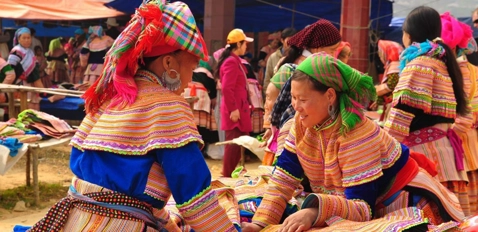
For travellers who enjoy mountains, trekking and cultural encounters, Sapa is one of the most interesting destinations in Northern Vietnam. The region is known for its terraced rice fields, mountain valleys and villages inhabited by different ethnic minority communities.
Trekking is the main activity here. You can walk through rice terraces, cross small streams and visit villages such as Cat Cat, Ta Van and Lao Chai. Some routes are relatively easy, while others require better physical condition and a local guide.

Staying in a traditional homestay is a rewarding way to experience rural life and learn more about local customs. However, Sapa requires additional travel time from Hanoi, so it is better suited to travellers who are willing to dedicate at least two or three days to the region.
Central Vietnam: Heritage, Beaches and Local Cuisine
Central Vietnam is particularly appealing for its combination of historical sites, traditional architecture, beautiful beaches and distinctive regional cuisine. It is also a convenient choice for travellers who want to combine cultural exploration with a few relaxing days by the sea.
Hue – 1 to 2 days
Hue was the imperial capital of Vietnam under the Nguyen Dynasty and remains one of the country's most important historical destinations. Its architectural heritage, royal tombs, pagodas and traditional cuisine give the city a distinctive atmosphere.

The Imperial City is the main attraction. Within its fortified walls, you can explore royal palaces, temples, courtyards and historic gates that reflect the grandeur of Vietnam's former imperial court.
Outside the city centre, visit the royal tombs of emperors such as Tu Duc and Khai Dinh, each offering a different architectural style and historical perspective. Thien Mu Pagoda, overlooking the Perfume River, is another important landmark.
Hue is also famous for its cuisine, particularly dishes such as bun bo Hue, banh beo, banh nam and banh khoai. Spending time at a local restaurant or traditional food market is an excellent way to discover the city's culinary identity.
Da Nang – 1 to 2 days
Da Nang is a modern coastal city with long sandy beaches, attractive natural landscapes and convenient access to several major attractions in Central Vietnam.

My Khe Beach is a popular place to swim, relax or enjoy a walk along the coast. Marble Mountains, a group of limestone and marble hills containing caves, temples and viewpoints, are also worth exploring.
For nature lovers, Son Tra Peninsula offers beautiful coastal scenery and forested landscapes. It is home to the endangered red-shanked douc langur, although sightings are never guaranteed.
Another popular excursion is Ba Na Hills, known for its mountain setting, French-inspired architecture and Golden Bridge. While it is a well-known tourist attraction, travellers who prefer local culture and natural landscapes may wish to prioritise other experiences.
Hoi An – 2 to 3 days
Hoi An is one of the most charming destinations in Vietnam. Its well-preserved Ancient Town, yellow merchant houses, traditional assembly halls and colourful lanterns create an atmosphere that is quite different from the country's larger cities.

Spend time walking through the historic streets, visiting the Japanese Covered Bridge and exploring old merchant houses. In the evening, the town becomes especially atmospheric as lanterns illuminate the streets and the Hoai River.
Beyond sightseeing, Hoi An offers plenty of activities. You can join a lantern-making workshop, take a cooking class, cycle through the surrounding countryside or visit a traditional craft village. A boat ride on the river is another enjoyable way to experience the town.
If you need a break from cultural exploration, An Bang Beach is only a short distance away and offers a pleasant setting for swimming and relaxing. Hoi An is also an excellent destination for food lovers. Do not miss cao lau, mi Quang, white rose dumplings and banh mi.

With two or three days, you can enjoy the town at a relaxed pace and discover more than its most famous landmarks.
Southern Vietnam: Urban Energy, River Life and Tropical Beaches
Southern Vietnam has a different character from the North and Central regions. Its warmer climate, dynamic cities, fertile countryside and extensive waterways create a distinctive travel experience.
Ho Chi Minh City – 2 to 3 days
Ho Chi Minh City, still commonly known as Saigon, is Vietnam's largest city and an energetic destination where modern development meets historical heritage.
The Independence Palace and War Remnants Museum are two important places to visit if you want to understand the country's recent history. The Central Post Office and Notre-Dame Cathedral Basilica of Saigon also reflect the city's colonial architectural heritage.

For a different perspective, explore Cholon, the historic Chinese quarter, where traditional markets, temples and old commercial streets reveal the influence of the Chinese community on local culture.
Food is another reason to spend time in the city. Try banh mi, com tam, hu tieu and banh xeo, or explore the street food scene in the evening. You can also enjoy Vietnamese iced coffee at a local café or discover the city's lively nightlife around its central districts.
Mekong Delta – 2 to 3 days
The Mekong Delta offers a completely different atmosphere from the country's major cities. Life here is closely connected to the river, with an extensive network of canals, fruit orchards, traditional villages and floating markets.
A boat trip is one of the best ways to explore the region. Depending on the destination, you can travel along narrow canals shaded by coconut palms, visit fruit gardens, discover traditional workshops and observe daily activities along the riverbanks.

Ben Tre is particularly known for its coconut production and peaceful waterways. Can Tho is a good base for exploring the wider delta and visiting Cai Rang Floating Market, one of the region's best-known markets. Chau Doc offers another perspective, with its river communities, traditional villages and cultural influences near the Cambodian border.
The Mekong Delta is also a destination for food lovers. Freshwater fish, tropical fruits, coconut-based dishes and regional specialities offer a taste of southern Vietnamese cuisine.
If you have enough time, spend at least two days in the region rather than making a rushed day trip from Ho Chi Minh City. This allows you to appreciate its slower pace and discover places beyond the main tourist routes.
Phu Quoc – 3 to 4 days
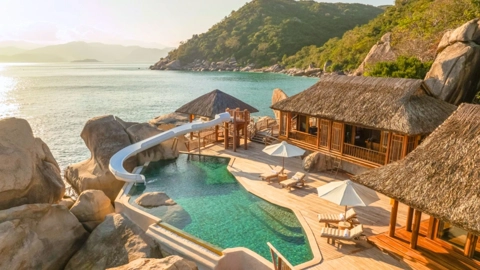
If your idea of a memorable holiday includes beaches, sunshine and time to relax, Phu Quoc is one of the best destinations to consider in Southern Vietnam.

The island is known for its sandy beaches, tropical landscapes, seafood and opportunities for island excursions. Sao Beach and Khem Beach are popular for their white sand and scenic surroundings, while Ong Lang Beach offers a quieter atmosphere in some areas.
You can spend your days swimming, relaxing by the sea, taking a boat trip to the smaller islands in the south or snorkelling around coral reefs when sea conditions are suitable. A visit to a local fish sauce factory or pepper farm can also introduce you to some of the island's traditional products.
In the evening, explore the night market and enjoy freshly prepared seafood. Phu Quoc is particularly suitable as the final stop of a longer journey, allowing you to slow down after several days of sightseeing.

Three or four days are ideal if you want to combine beach activities with island exploration, although two days can also work for a shorter visit.
3. Suggested Vietnam Itineraries for 12 Days
Choosing the right destinations is more important than trying to visit as many places as possible. The following itineraries offer three different ways to explore Vietnam, depending on how much you want to see and the type of holiday you prefer.
Option 1: Northern and Central Vietnam – 12 Days
This itinerary is a balanced choice for first-time visitors interested in culture, natural landscapes, history and beaches.

Hanoi – 3 days: Explore the Old Quarter, historical landmarks, traditional markets and local food culture.
Ninh Binh – 2 days: Discover Trang An or Tam Coc by boat, visit Hang Mua and explore the countryside.
Ha Long Bay – 1 night: Enjoy an overnight cruise among limestone islands, with opportunities for kayaking and cave visits.
Hue – 2 days: Explore the Imperial City, royal tombs and traditional cuisine.
Hoi An – 3 days: Discover the Ancient Town, join local activities and relax at An Bang Beach.
Da Nang – 1 day: Enjoy My Khe Beach or visit Marble Mountains before departure.
This route combines some of the country's most recognisable landscapes and cultural attractions without requiring a visit to every major destination. Travellers who prefer a slower pace can also remove one stop and spend more time in Hoi An or Ninh Binh.

Option 2: Central and Southern Vietnam – 12 Days
This itinerary is suitable for travellers who want a combination of cultural discovery, urban experiences, regional cuisine and beach relaxation.
Hue – 2 days: Explore the imperial heritage and discover the city's distinctive food culture.
Hoi An – 3 days: Walk through the Ancient Town, visit craft villages, take a cooking class and enjoy the beach.
Ho Chi Minh City – 3 days: Discover historical landmarks, Cholon, local markets and the city's vibrant food scene.
Mekong Delta – 2 days: Explore waterways, fruit orchards and traditional villages.
Phu Quoc – 2 days: Enjoy the beaches, seafood and a little time to relax.

This route offers a good balance between activities and relaxation. However, the journey from the Mekong Delta to Phu Quoc requires additional transport planning, so travellers should check flight and ferry connections before finalising their itinerary.
If you prefer a longer beach holiday, you can reduce the time in Ho Chi Minh City or skip the Mekong Delta and spend three or four days in Phu Quoc instead.
Option 3: Northern, Central and Southern Vietnam – 12 Days
For travellers who want to experience all three regions during their first visit, this itinerary offers a general introduction to the country's main highlights.

Hanoi – 2 days: Explore the capital's historic centre, landmarks and street food.
Ninh Binh – 1 day: Take a boat trip through the limestone landscape and enjoy the countryside.
Ha Long Bay – 1 night: Experience an overnight cruise in the bay.
Hoi An – 2 days: Discover the Ancient Town, traditional architecture and local cuisine.
Ho Chi Minh City – 2 days: Visit major historical attractions and explore the city's urban life.
Mekong Delta – 2 days: Discover the river landscape and local communities.
Phu Quoc – 2 days: Finish the trip with a short beach break.

This is the most ambitious option. It involves several transfers and domestic flights, leaving limited time in each destination. It is suitable for travellers who prioritise seeing different regions over having a slow-paced holiday.
If you choose this route, book transport carefully and avoid adding too many optional excursions. A well-organised itinerary is essential to make the most of the available time.
4. Experiences You Should Not Miss in Vietnam
Beyond famous landmarks, some of the most memorable moments in Vietnam come from everyday experiences. Food, local markets, traditional crafts and interactions with local communities can reveal a side of the country that is not always visible through conventional sightseeing.

Discover Vietnamese street food
Vietnamese cuisine is an essential part of the travel experience, and each region has its own distinctive flavours. In the North, try pho, bun cha and cha ca. In Central Vietnam, discover bun bo Hue, cao lau and mi Quang. In the South, enjoy com tam, hu tieu and banh xeo.
Rather than visiting only restaurants recommended by travel guides, explore local eateries and traditional markets. Many small family-run establishments serve dishes that have been prepared in the same way for generations.
Explore traditional markets
Markets are an excellent place to observe local life and discover regional ingredients, fresh produce and traditional products. From the busy markets of Hanoi and Ho Chi Minh City to the riverside markets of the Mekong Delta, each offers a different atmosphere.

Early morning is often the best time to visit, when vendors prepare their stalls and local residents come to shop.
Experience Vietnam's waterways
Vietnam's rivers and waterways are closely connected to local life. You can take a traditional boat through the limestone landscapes of Ninh Binh, explore the islands of Ha Long Bay or travel along the small canals of the Mekong Delta.
These experiences offer different perspectives on the country's natural landscapes and the communities that depend on them.
Discover Vietnamese coffee culture
Coffee is more than just a drink in Vietnam; it is part of everyday social life. Take time to visit a traditional café, try egg coffee in Hanoi or enjoy a glass of iced milk coffee, known as ca phe sua da, in the South.

Some cafés are modern and stylish, while others are simple establishments where locals gather to chat and watch the streets. Both are worth experiencing.
Visit local villages and craft workshops
Vietnam has a rich tradition of handicrafts, including ceramics, silk weaving, lantern making and wood carving. Visiting a craft village or joining a workshop allows you to understand the techniques behind these products and meet the people who preserve traditional skills.
Hoi An is particularly suitable for lantern-making and cooking workshops, while the surroundings of Hanoi offer several traditional craft villages.
Make time for the beach
If your itinerary includes Central or Southern Vietnam, consider setting aside time to enjoy the coast. You do not need to spend every day sightseeing. A morning swim, a seafood lunch by the sea or a quiet afternoon at a beach café can be just as memorable as visiting another famous attraction.

5. Practical Tips for Planning 12 Days in Vietnam
A successful 12-day trip depends not only on the destinations you choose but also on how you organise transportation, accommodation and daily activities.
Choose transportation according to distance
Domestic flights are generally the most practical way to travel between Northern, Central and Southern Vietnam. They save considerable time compared with travelling overland across the country.
For shorter distances, private cars, tourist buses and limousines are convenient options. Trains are also worth considering for certain routes, particularly when you want to enjoy the scenery along the way.
When planning your itinerary, remember that travelling to an airport, checking in and transferring to your next hotel also take time. Avoid scheduling major activities immediately after a long journey.

Consider the weather in each region
Vietnam has different climate patterns from north to south, so the best time to visit depends partly on your chosen destinations.
Northern Vietnam generally has four seasons, with cooler winters and hot, humid summers. Central Vietnam experiences a rainy season that typically falls between September and December, although conditions vary by location. Southern Vietnam has a tropical climate with a dry season, usually from November to April, and a rainy season from May to October.
Before deciding on your route, check the weather conditions for each region during your travel dates. This is particularly important if you plan to visit mountain areas, go trekking or spend time on the coast.

Avoid changing hotels too frequently
Although it may be tempting to include many destinations, changing accommodation every night can make a 12-day holiday tiring. Whenever possible, stay at least two nights in major destinations so you have time to explore without constantly packing and unpacking.
For a more relaxed journey, choose a few well-connected bases and take day trips to nearby attractions.
Book important services in advance
During peak travel periods, flights, overnight cruises and popular accommodation can become fully booked. It is advisable to arrange these services ahead of time, particularly if your travel dates are fixed.
For activities that require local guides or special arrangements, such as trekking in remote mountain areas or visiting less accessible destinations, booking in advance can also help ensure a smoother experience.

Leave room for spontaneous experiences
Not every moment of your trip needs to be planned. Some of the most enjoyable experiences may come from discovering a small local restaurant, spending longer than expected at a market or simply sitting at a café and watching the city go by.
A flexible itinerary gives you the freedom to enjoy these moments without feeling that you are falling behind schedule.
Conclusion: Vietnam in 12 days with local DMC in Vietnam
Twelve days in Vietnam can be enough for a memorable journey, whether you choose to explore the country's three regions or concentrate on two of them. Northern Vietnam offers spectacular landscapes and a rich cultural heritage, Central Vietnam combines historic towns with beautiful beaches, while the South introduces visitors to vibrant urban life and the peaceful waterways of the Mekong Delta.

If your priority is to see as much of the country as possible, a carefully planned route through all three regions can be rewarding. However, if you prefer a more comfortable holiday, choosing two regions will give you more opportunities to enjoy local cuisine, discover everyday life and spend time in each destination without rushing.
Vietnam is not simply a country to visit from one attraction to another. It is a place to experience through its food, landscapes, people and regional character. Sometimes, taking the time to enjoy a meal, explore a quiet street or watch the sunset by the sea is what makes a journey truly unforgettable.
You may also be interested in these articles:
Vietnam Shopping Guide: What to Buy, Where to Shop and How to Shop Smart
Vietnam Travel Medicine Kit: What Medicines to Bring and Where to Buy Them


