





Shopping in Vietnam is a wonderful way to discover the country's culture and bring home something more meaningful than an ordinary souvenir. From the iconic non la (conical hat) and elegant ao dai to fragrant lotus tea, traditional coffee filters and beautiful pearl jewellery, Vietnam offers a wide range of products that reflect its traditions, craftsmanship and everyday lifestyle.
Whether you are looking for a small gift, a practical item or a special keepsake, there is plenty to choose from. Traditional markets, craft villages, independent boutiques and local shops all offer different shopping experiences. However, knowing where to shop and how to recognise a fair price can make a significant difference, particularly in busy tourist areas.

This guide introduces some of the best things to buy in Vietnam, where to find them in major destinations and how to shop with confidence. With a little preparation and, if possible, advice from a knowledgeable local guide, you can discover interesting products without paying unnecessarily high prices.
1. What to Buy in Vietnam: 10 Souvenirs Worth Bringing Home
1.1. Non La: The Iconic Vietnamese Conical Hat
Few objects are as closely associated with Vietnam as the non la, the traditional conical hat. Made from palm leaves or other natural materials attached to a lightweight bamboo frame, it has been used for generations to protect people from the sun and rain.
Although it remains part of everyday life in some rural areas, the non la has also become a recognisable symbol of Vietnamese culture. It makes a distinctive souvenir and is particularly attractive as a decorative item or for photographs.

There are different styles to choose from, including simple everyday hats and more elaborate versions decorated with paintings or traditional patterns. Hue is particularly known for its non bai tho, or poetic conical hats, which reveal delicate images or verses when held against the light.
When buying one, check the frame and the quality of the leaf covering. If you intend to take it home, consider how you will protect its shape during the journey.
1.2. Ao Dai: Vietnam's Elegant Traditional Dress
The ao dai is one of the most recognisable expressions of Vietnamese traditional clothing. This long, fitted tunic is worn over trousers and is known for its graceful silhouette, flowing panels and elegant appearance. It is commonly worn for important celebrations, cultural events, weddings and formal occasions.
Buying an ao dai can be a memorable experience, especially if you choose to have one made to measure. Tailoring shops in Hanoi, Hue, Ho Chi Minh City and Hoi An offer a variety of fabrics, colours and designs. You can select a traditional style or opt for a more contemporary interpretation.

If you plan to have an ao dai tailored, allow enough time for measurements, fittings and possible adjustments. Hoi An is particularly popular for custom-made clothing, but quality and delivery times vary between shops. Discuss the fabric, final price and expected completion date before placing an order.
For travellers who prefer something easier to wear, silk scarves, accessories and modern clothing inspired by the ao dai are also attractive alternatives.
1.3. Pearl Jewellery: An Elegant Gift from Vietnam
Pearls are an appealing purchase for travellers looking for a more refined gift. Pearl necklaces, earrings, bracelets and pendants are available in different styles, from simple everyday designs to more elaborate jewellery.
Phu Quoc is particularly well known for pearl farming and pearl jewellery. However, pearl shops can also be found in major cities and other tourist destinations.

When choosing pearl jewellery, ask whether the pearls are cultured or imitation. Most commercially available pearl jewellery consists of cultured pearls, which are produced with human assistance rather than forming entirely naturally. Request information about the pearl type, origin and any accompanying certificate or documentation. Compare several shops before making an expensive purchase, and be cautious of unusually low prices accompanied by exaggerated claims.
A pearl necklace or a pair of pearl earrings can make a beautiful souvenir, but buying from a reputable specialist is more important than simply choosing the most attractive display.
1.4. Lotus Tea: A Delicate Taste of Vietnamese Tradition
Vietnamese lotus tea, known as tra sen, is one of the country's most distinctive traditional teas. It is valued for its delicate fragrance, which comes from the scent of lotus flowers. Traditionally, tea leaves are infused with the natural aroma of lotus blossoms, creating a subtle and elegant flavour.
Lotus tea has a long association with Vietnamese tea culture, particularly in Hanoi, where the West Lake area is historically connected with lotus cultivation and traditional tea preparation. High-quality lotus tea can involve a time-consuming production process, which is reflected in its price.

You can find lotus tea in specialist tea shops, traditional gift stores and selected supermarkets. When buying, check the ingredients, production method, packaging and origin. Some products are scented with natural lotus flowers, while others use added flavouring, so it is worth asking the seller about the difference.
For a more complete gift, consider buying lotus tea in a beautifully presented box. It is lightweight, easy to pack and offers a taste of Vietnamese tea culture.
1.5. Vietnamese Coffee and the Traditional Phin Filter
Coffee is deeply integrated into everyday life in Vietnam. From busy pavement cafés to quiet neighbourhood coffee shops, the country has developed a distinctive coffee culture that is worth taking home.
Vietnamese coffee is commonly associated with robusta beans, which generally have a stronger and more intense flavour than arabica. Visitors can choose from roasted ground coffee, whole beans and different blends, depending on their preferences.
One of the best souvenirs to buy alongside coffee is the phin, a small traditional Vietnamese metal filter used to brew coffee directly into a cup. It usually consists of a filter chamber, a perforated insert, a press and a lid. The brewing process is simple: add ground coffee, pour hot water over it and allow the coffee to drip slowly.

A phin filter is compact, affordable and easy to use at home. It is an especially good gift for anyone who enjoys discovering different coffee-making traditions.
When buying coffee, check whether it is intended for phin brewing, as the grind size affects the result. If you are unsure, ask the shop assistant to recommend a suitable blend. You can also buy a small selection of coffee varieties to compare their flavours after returning home.
1.6. Vietnamese Silk and Handmade Textiles
Vietnam has a long tradition of silk weaving and textile craftsmanship. Silk scarves, clothing, ties, bags and decorative fabrics are among the most attractive purchases for visitors who appreciate handmade products.
Van Phuc Silk Village near Hanoi is one of the country's best-known silk-producing areas, while Hoi An also has many shops selling silk products and offering tailoring services. In major cities, specialist boutiques provide a wider selection of fabrics and finished garments.

Before buying, check the texture, weight and label carefully. Not every product sold as silk is made from pure silk; some items are blended with other fibres or made from synthetic materials. Ask about the fabric composition and care instructions, particularly if you are purchasing an expensive garment.
A silk scarf is a practical and relatively easy-to-pack souvenir, while a tailored silk outfit can become a more personal reminder of your time in Vietnam.
1.7. Vietnamese Lacquerware: Traditional Craftsmanship
Lacquerware is one of Vietnam's distinctive traditional crafts. Artisans apply multiple layers of lacquer to a surface, sometimes combining them with decorative materials such as eggshell, mother-of-pearl or gold leaf. The result can be both functional and artistic.
Popular products include trays, bowls, boxes, vases, paintings and decorative panels. Designs range from traditional Vietnamese landscapes and flowers to more contemporary patterns.

Lacquerware makes an elegant gift, particularly for people who appreciate decorative arts or handcrafted objects. However, quality varies considerably. Look for a smooth, even finish, carefully executed details and a well-made structure. For larger or more delicate pieces, ask the shop about protective packaging and shipping options.
1.8. Vietnamese Ceramics and Pottery
Ceramics are another attractive option for visitors looking for something practical and decorative. Vietnamese pottery includes bowls, cups, plates, vases and tea sets, with different styles and techniques found across the country.
Bat Trang, a traditional pottery village near Hanoi, is particularly well known for its ceramics. Visitors can explore workshops, browse finished products and sometimes try making pottery themselves.
If you are shopping in Hanoi, a visit to Bat Trang can be a pleasant addition to your itinerary. In other cities, ceramic shops and craft boutiques also offer a wide selection.

Before purchasing, inspect the product for cracks, uneven surfaces or damaged glazing. Ceramics can be fragile, so make sure they are wrapped securely, especially if you plan to carry them in your luggage.
1.9. Embroidered Products and Handmade Accessories
Hand embroidery remains an important part of Vietnamese craftsmanship. You can find embroidered tablecloths, cushion covers, bags, purses, clothing and decorative wall pieces in many markets and specialist shops.
Some products feature traditional floral patterns and landscapes, while others incorporate contemporary designs. Smaller accessories such as embroidered pouches, coin purses and bags are particularly suitable as gifts because they are lightweight and easy to transport.
When shopping, pay attention to the quality of the stitching, the fabric and the finishing details. Handmade items may have small variations, which are part of their character. If you are interested in supporting local artisans, ask about where and how the product was made.

1.10. Vietnamese Spices, Snacks and Packaged Specialties
Food products are among the easiest souvenirs to share with friends and family. Vietnam offers a wide variety of packaged goods, including dried tropical fruits, cashew nuts, black pepper, cinnamon, star anise, chilli products and traditional sweets.
Popular choices include dried mango, jackfruit chips, coconut candy, roasted cashews and locally produced coffee or tea. These products are widely available in supermarkets, speciality food stores and souvenir shops.
For convenience, choose sealed packages with clear ingredient lists, production dates and expiry dates. Avoid buying unpackaged food if you are unsure about its quality or how it will be transported.

2. Where to Shop in Vietnam: A City-by-City Guide
Although many Vietnamese products can be found in different parts of the country, some destinations offer a more interesting shopping experience for particular items. The following guide highlights what to look for in the main tourist cities and regions.
2.1. Hanoi: Traditional Crafts, Lotus Tea and Vietnamese Coffee
Hanoi is an excellent place to explore traditional Vietnamese products. Its Old Quarter brings together silk shops, coffee retailers, tea stores, souvenir boutiques and traditional markets, making it convenient for visitors who want to shop without travelling far from the city centre.
Some of the most interesting purchases in Hanoi include lotus tea, Vietnamese coffee and phin filters, silk scarves, lacquerware, embroidered products and traditional conical hats. The city is also a good starting point for discovering nearby craft villages.

Dong Xuan Market is one of Hanoi's largest traditional markets, offering clothing, accessories, household products and souvenirs. For silk and tailored clothing, Hang Gai Street is a popular shopping area. Visitors interested in traditional ceramics can make a short trip to Bat Trang Ceramic Village, while Van Phuc Silk Village is another destination worth considering.
Hanoi is also a convenient place to buy packaged Vietnamese snacks and traditional sweets, including o mai, a popular variety of preserved or candied fruit.
2.2. Sapa and Northern Vietnam: Ethnic Textiles and Handmade Accessories
The northern mountain region offers a different shopping experience, particularly for travellers interested in traditional textiles and ethnic craftsmanship.
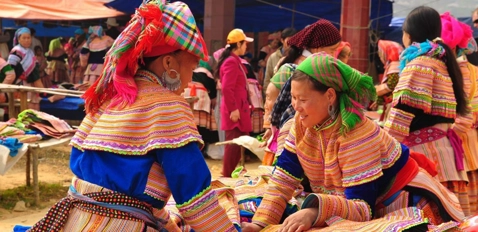
In Sapa and nearby markets, visitors can find embroidered bags, colourful fabrics, indigo-dyed textiles, scarves, clothing and handmade accessories associated with local ethnic communities, including the Hmong and Dao people.

These products can make meaningful souvenirs because many traditional patterns and techniques reflect the cultural identity of the communities that produce them. However, not everything sold in tourist markets is necessarily handmade locally. If authenticity matters to you, ask about the material, production process and origin of the item.
Bac Ha Market, held on Sundays, is another interesting destination for discovering local textiles, clothing and handmade products. It is worth checking the market schedule when planning your visit.
2.3. Hue: Conical Hats, Ao Dai and Traditional Gifts
Hue is an excellent destination for visitors interested in traditional Vietnamese clothing and cultural souvenirs. The former imperial capital has a strong connection with the ao dai, traditional handicrafts and refined local products.
One of the most distinctive items to look for is the non bai tho, a poetic conical hat traditionally associated with Hue. Its special feature is the hidden image or writing that becomes visible when the hat is held against sunlight.

Hue is also a good place to look for tailored ao dai, traditional decorative items and local delicacies such as me xung, a sesame and peanut confectionery. Tea and other packaged specialties are also available in local shops.
For travellers who want a souvenir with a strong cultural connection, a poetic conical hat or a beautifully made ao dai can be particularly memorable purchases.
2.4. Da Nang: Local Specialties, Coffee and Souvenir Shopping
Da Nang offers a convenient shopping experience, with traditional markets, supermarkets, modern shopping centres and souvenir stores.
Han Market and Con Market are two well-known traditional shopping destinations where visitors can browse local food products, dried seafood, snacks, clothing and everyday goods. Packaged specialties and gifts are particularly popular among travellers preparing to leave central Vietnam.
Coffee, dried fruits, local sweets and handmade accessories are among the practical purchases to consider. Visitors can also find ceramics, clothing and decorative souvenirs inspired by central Vietnamese culture.

Da Nang is a useful place to complete shopping during a central Vietnam itinerary, especially if you do not have time to visit smaller shops in Hue or Hoi An.
2.5. Hoi An: Tailored Clothing, Silk and Colourful Lanterns
Hoi An is one of Vietnam's most popular destinations for shopping, particularly for travellers interested in tailored clothing and traditional crafts.
The town has numerous tailor shops offering dresses, suits, shirts and ao dai. Visitors can also find colourful silk lanterns, leather goods, accessories, ceramics and decorative items.
If you plan to order tailored clothing, do not leave everything until the final hours of your stay. Allow time for measurements and fittings, and confirm the expected completion date before paying a deposit. Quality and prices can vary between shops, so compare a few options before deciding.
Hoi An lanterns are another popular souvenir. Available in different colours, shapes and sizes, many are designed with collapsible frames, making them easier to transport. You can also explore local craft shops for silk accessories and handmade decorative products.

For a more personal experience, some workshops offer visitors the opportunity to make or decorate their own lanterns.
2.6. Da Lat and the Central Highlands: Coffee, Tea and Local Produce
Da Lat and the surrounding Central Highlands are particularly interesting for visitors who enjoy coffee and tea.
Da Lat is known for its coffee-growing areas and specialty coffee shops, where visitors can explore different beans, roasts and brewing styles. The city is also associated with artichoke tea, dried fruits, candied fruits and other agricultural products.
Further north, Buon Ma Thuot is widely recognised as one of Vietnam's major coffee centres. Travellers interested in Vietnamese coffee can find roasted beans, ground coffee and products from local coffee producers.
These destinations are good places to purchase coffee directly from specialist retailers and learn more about how it is grown and processed. However, coffee and tea are also widely available in Hanoi, Ho Chi Minh City and other major tourist destinations.

2.7. Phu Quoc: Pearls, Black Pepper and Fish Sauce
Phu Quoc is particularly well known for its pearl products, black pepper and fish sauce. These are among the island's most recognisable products and make interesting purchases for visitors who want to bring home something associated with their stay.
Pearl farms and jewellery shops offer necklaces, earrings, bracelets and other accessories in different styles and price ranges. As with any valuable jewellery purchase, check the type of pearl, its origin and the retailer's documentation before buying.
Phu Quoc black pepper is another popular product, appreciated for its distinctive aroma. It is available in different forms, including whole peppercorns, ground pepper and seasoned varieties.
The island is also famous for its fish sauce, an essential ingredient in Vietnamese cuisine. If you want to buy a bottle, check the packaging and ask about transport arrangements, as liquid products may be subject to airline restrictions.

2.8. Ho Chi Minh City: Coffee, Fashion and Contemporary Vietnamese Products
Ho Chi Minh City offers one of the widest shopping selections in Vietnam. Traditional markets, independent boutiques, local fashion brands, supermarkets and modern shopping centres provide options for different interests and budgets.
Ben Thanh Market is a popular destination for souvenirs, clothing, accessories, coffee and packaged food products. Binh Tay Market, in the Cholon area, offers a different atmosphere and a wide range of wholesale goods and local products.
Visitors interested in Vietnamese coffee can explore specialist cafés and coffee retailers, while those looking for fashion and accessories can discover local designers and contemporary Vietnamese brands. Lacquerware, handicrafts, cashew nuts, dried fruits and packaged specialties are also easy to find.
For travellers who have not had time to shop during the earlier stages of their journey, Ho Chi Minh City is a convenient place to complete their purchases before departure.

3. How to Shop Smart in Vietnam and Avoid Overpaying
Shopping in Vietnam can be enjoyable and affordable, but prices are not always the same from one shop to another. In busy tourist areas, some retailers may charge higher prices to visitors, particularly for souvenirs and products without clearly displayed price tags. This does not mean that every tourist-oriented shop is overpriced, but it is worth knowing how to make informed choices.
3.1. Look Beyond the Main Tourist Shopping Streets
Markets and shops in popular tourist areas are convenient, but they are not necessarily the best places to find the most reasonable prices. Some stores set their prices with international visitors in mind, especially when selling common souvenirs such as conical hats, magnets, coffee, clothing and decorative items.
Instead of buying the first item you see near a major attraction, consider exploring local shopping streets and neighbourhood stores a little further away. These shops often serve Vietnamese residents as well as visitors and may offer a wider selection of everyday products at more familiar local prices.

For example, rather than purchasing all your coffee and packaged snacks from a souvenir stall, look for a dedicated coffee retailer or a well-established supermarket. For tea, visit a specialist tea shop where you can ask about the type, quality and production method. If you are interested in traditional clothing or handicrafts, compare several independent stores before making a decision.
The aim is not to avoid tourist markets altogether. They are still worth visiting for their atmosphere and variety. However, for more expensive purchases or products that are easy to find elsewhere, shopping outside the busiest tourist zones can be a better option.
3.2. Compare Prices at Several Shops
One of the simplest ways to avoid paying too much is to compare prices before buying. This is particularly important for items such as silk, pearls, handicrafts, coffee and jewellery, where the price can vary significantly depending on the material and quality.
If you see the same or a similar product in several shops, take a moment to compare the price, finish and packaging. Do not assume that a higher price automatically means better quality, or that a very low price represents a bargain.

For expensive items, ask for detailed information about the materials and workmanship. A few extra minutes of comparison can help you make a much more confident purchase.
3.3. Ask the Price Before Agreeing to Buy
At traditional markets and some small independent shops, prices may not be displayed. Always ask the price before accepting a product or allowing the seller to prepare it for you.
If you are buying several items, confirm whether the quoted price applies to one piece or the entire group. Check the final amount before paying, particularly when purchasing multiple products or negotiating a combined price.
A useful habit is to keep a calculator on your phone so you can confirm the amount in Vietnamese dong and avoid misunderstandings.
3.4. Bargain Politely, but Know When Not to Bargain
Bargaining is common in many traditional markets and some independent souvenir shops. However, it is not expected everywhere. Supermarkets, shopping centres, established boutiques and many specialist stores usually have fixed prices.

If bargaining is appropriate, remain friendly and reasonable. You can make a counteroffer, compare prices at nearby stalls or politely decline if the price does not suit your budget.
Avoid turning a small price difference into an uncomfortable exchange. A respectful attitude makes shopping more pleasant for both sides, and you can always choose another shop if you cannot agree on a price.
3.5. Prefer Local Stores and Specialist Retailers
For certain products, specialist shops are often a better choice than general souvenir stalls.
A dedicated coffee retailer can help you choose beans suitable for a phin filter. A traditional tea shop can explain the differences between lotus-scented tea and other varieties. A reputable jewellery store is a more appropriate place to purchase pearls than an unidentified market stall.
Local stores that serve Vietnamese customers can also offer a more authentic shopping experience. You may discover products that are not specifically designed as tourist souvenirs but are part of everyday Vietnamese life.
When choosing a shop, look for clear product information, transparent pricing, reasonable packaging and a willingness to answer questions. A friendly and informative seller is often a better sign than an elaborate display or a large discount.

3.6. Ask Your Local Guide for Shopping Recommendations
One of the most useful ways to shop with confidence in Vietnam is to ask your local guide for recommendations.
A knowledgeable guide often understands the local shopping scene and can suggest reliable stores, traditional craft workshops or specialist retailers that may not be obvious to first-time visitors. They can also help explain the differences between products, translate questions about materials and quality, and make it easier to communicate with shopkeepers.
For example, if you want to buy authentic lotus tea in Hanoi, your guide may be able to recommend a specialist tea shop rather than a general souvenir store. If you are interested in silk or handmade textiles, they may suggest a suitable retailer or craft village. In Hoi An, they can help you understand what to discuss with a tailor before ordering an ao dai or another made-to-measure garment.
A guide's assistance does not automatically guarantee the lowest price, and you should still make your own purchasing decisions. However, local knowledge can save time, reduce misunderstandings and help you avoid shops that are not suitable for what you want to buy.

If shopping is an important part of your trip, mention your interests when planning the itinerary. Your travel consultant or guide may be able to include suitable shops, markets or craft experiences along the route.
3.7. Check Materials and Product Authenticity
Do not rely only on a product's appearance or the seller's description. If you are buying silk, ask about the fabric composition. For pearls, clarify whether they are cultured or imitation. For handicrafts, ask whether the item is handmade and where it was produced.
When purchasing expensive products, choose reputable retailers and request a receipt or relevant documentation. This is particularly important for jewellery and valuable handicrafts.
3.8. Consider Size, Weight and Packaging
A beautiful souvenir may not be practical if it is difficult to carry home. Conical hats, ceramics, lacquerware and larger decorative objects may require additional protection or special luggage arrangements.
For fragile purchases, ask the shop to wrap the item securely. If you are buying several products, consider how they will fit into your suitcase before making the purchase.
3.9. Check Airline and Customs Regulations
Before buying food, liquids or valuable items, check your airline's baggage policy and the customs regulations of your destination country.

Coffee, tea and packaged snacks are convenient to transport, but restrictions can vary depending on the product and destination. Fish sauce and other liquids may need to go in checked baggage and comply with airline liquid restrictions. Products made from protected wildlife or restricted materials should be avoided.
3.10. Keep Receipts for Valuable Purchases
If you buy pearls, jewellery, expensive handicrafts or other high-value products, keep the receipt and any certificate or product documentation. These records can be useful if you need to verify the purchase, arrange insurance or answer questions at customs.
4. What Should You Buy in Vietnam?
If you are unsure where to start, consider the type of souvenir you want to bring home.
| What you are looking for | Recommended products | Where to shop |
|---|---|---|
| A traditional Vietnamese souvenir | Non la, non bai tho, ao dai | Hanoi, Hue, Hoi An |
| A taste of Vietnamese culture | Lotus tea, coffee, phin filter | Hanoi, Da Lat, Buon Ma Thuot |
| An elegant or special gift | Pearl jewellery, silk products | Phu Quoc, Hanoi, Hoi An |
| Traditional craftsmanship | Lacquerware, ceramics, embroidered products | Hanoi, Bat Trang, Sapa |
| Fashion and accessories | Tailored clothing, silk scarves, leather goods | Hoi An, Hanoi, Ho Chi Minh City |
| Local food gifts | Dried fruits, cashew nuts, spices, traditional sweets | Da Lat, Ho Chi Minh City, Phu Quoc and major cities |
You do not need to buy everything in one place. A combination of traditional products, local food and handmade accessories can offer a more varied collection of memories from your trip.
5. Frequently Asked Questions About Shopping in Vietnam
What is the best thing to buy in Vietnam?
Some of the most popular purchases include the non la (Vietnamese conical hat), ao dai, pearl jewellery, lotus tea, Vietnamese coffee, phin filters, silk products and traditional handicrafts. The best choice depends on your interests, budget and luggage space.

Where is the best place to shop in Vietnam?
Hanoi is a great destination for traditional crafts, silk, tea and coffee. Hoi An is popular for tailored clothing and lanterns, while Hue is known for its poetic conical hats and traditional gifts. Phu Quoc is a good place to explore pearl jewellery and local specialties, and Ho Chi Minh City offers a wide range of modern and traditional shopping options.
How can I avoid being overcharged when shopping in Vietnam?
Compare prices at several shops, ask the price before agreeing to buy and check the product's quality carefully. In busy tourist areas, consider looking for local stores and specialist retailers outside the main shopping streets. Asking your local guide for recommendations can also help you find suitable shops and understand what a reasonable purchase looks like.
Is bargaining common in Vietnam?
Bargaining is common in many traditional markets and some independent souvenir shops. However, prices are generally fixed in supermarkets, shopping centres and established boutiques. Always negotiate politely and respect the seller's decision.
Where can I buy an ao dai in Vietnam?
You can find ao dai shops in Hanoi, Hue, Ho Chi Minh City and other major destinations. Hoi An is particularly popular for tailoring services. If you want a made-to-measure outfit, allow enough time for fittings and adjustments.

Where can I buy authentic Vietnamese pearls?
Phu Quoc is well known for pearl farming and pearl jewellery, but specialist jewellery shops are also available in major cities and tourist destinations. Always check the type of pearl, its origin and the retailer's documentation before making an expensive purchase.
Can I bring Vietnamese coffee and tea home?
Packaged coffee and tea are convenient souvenirs for most travellers. However, import rules differ between countries, so check the regulations at your destination. Choose sealed products with clear labels and expiry dates.
Conclusion: Bring Home a Meaningful Piece of Vietnam
Shopping in Vietnam is not simply about finding inexpensive souvenirs. It is an opportunity to discover traditional craftsmanship, explore local lifestyles and take home products that reflect the country's cultural identity.
A conical hat from Hue, a beautifully tailored ao dai from Hoi An, a box of lotus tea from Hanoi or a traditional phin coffee filter can each tell a different story about Vietnam. Whether you choose something practical, decorative or personal, the most memorable purchases are often those that remind you of the places and experiences you discovered along the way.

To make the most of your shopping experience, look beyond the busiest tourist shops, compare prices and ask local people for recommendations. If you are travelling with a knowledgeable guide, take advantage of their local insight to discover suitable stores and traditional craft experiences.
With Vietnam Original Travel, you can incorporate visits to local markets, craft villages and selected shops into your tailor-made itinerary, making shopping a more authentic and enjoyable part of your journey.
You may also be interested in these articles:


