




Hue is not necessarily a destination for every traveller visiting Vietnam, and that is part of its appeal. Rather than relying on a long list of attractions or a lively entertainment scene, the former imperial capital draws visitors who appreciate history, architecture, traditional arts and distinctive local cuisine. Life here often feels slower than in Vietnam’s larger cities, with a sense of refinement that appears in grand royal monuments as well as modest garden houses, quiet streets and everyday meals.
The city offers more than a short introduction to Vietnam’s imperial past. You can spend a day exploring palaces and royal tombs, take your time discovering its food culture, or extend your stay to include peaceful countryside and secluded coastal resorts. Hue also connects conveniently with other destinations in Central Vietnam, making it possible to combine cultural exploration with beaches, nature and outdoor activities.

This Hue travel guide covers the places worth visiting, the food to try, the best time to travel and how long to stay. More importantly, it will help you decide whether Hue suits your travel style and how to make the most of your time there.
1. Discover Hue: A Different Side of Vietnam
Hue served as the imperial capital of the Nguyen Dynasty from 1802 to 1945. Its royal heritage remains visible in the Imperial City, the tombs of Nguyen emperors, historic temples and other monuments scattered along the Perfume River and across the surrounding countryside. The Complex of Hue Monuments was inscribed on the UNESCO World Heritage List in 1993, recognising the historical and architectural significance of the former capital.
Since January 2025, Hue has been one of Vietnam's centrally governed municipalities. According to the city's 2025 statistical yearbook, it covers approximately 4,947 square kilometres and has a population of around 1.19 million. These figures include the wider administrative area, extending beyond the urban centre to rural, mountainous and coastal communities. For visitors, this broader landscape helps explain why Hue offers more than its imperial monuments, with traditional villages, natural scenery and coastal retreats all contributing to the destination's appeal.

Yet Hue is not simply an open-air history museum. Its character also comes from the relationship between architecture, landscape and everyday life. Traditional garden houses sit among leafy courtyards, pagodas overlook the river, and local markets continue to serve neighbourhoods rather than visitors alone. Even the city's food culture reflects a strong sense of identity, shaped by royal culinary traditions and generations of home cooking.
Compared with destinations built around nightlife, shopping or a constant stream of activities, Hue invites a more measured pace. Visitors who enjoy looking closely at architectural details, learning the stories behind historical sites and spending time over local meals may find it especially rewarding.
That does not mean you need to be a history enthusiast to appreciate the city. The atmosphere, riverside scenery and food are appealing in their own right. However, travellers who prefer amusement parks, extensive nightlife or a packed schedule of entertainment may find Da Nang or another coastal destination a better match.

2. Best Things to Do in Hue
Hue has far more places to explore than most visitors can cover in a single day. The key is to choose a few sites that represent different aspects of the city rather than rushing between every monument. For a first visit, the Imperial City, Thien Mu Pagoda and Khai Dinh Tomb provide a useful introduction to Hue's royal history, spiritual life and architectural character.
2.1. Explore the Hue Imperial City
The Hue Imperial City is the most important starting point for understanding the former capital. Located within the larger Citadel, the complex contains palaces, ceremonial courtyards, gates, temples and other structures associated with the Nguyen emperors and royal court.
Walking through its grounds reveals the scale and organisation of the imperial centre. The architecture combines traditional Vietnamese principles with influences from the wider East Asian cultural world, while the layout reflects the political and ceremonial functions of the royal court. Some areas have been carefully restored, while others still bear the marks of war and time.

Allow several hours to explore rather than treating the site as a quick photo stop. The courtyards and buildings are spread across a large area, and the experience becomes more meaningful when you understand the purpose of the different spaces. A knowledgeable guide can also explain the historical context behind the architecture, ceremonies and daily life of the court.
For travellers with only one day in Hue, the Imperial City deserves priority. It provides the clearest introduction to the city's identity and helps put the other royal monuments into context.
2.2. Visit Thien Mu Pagoda
Thien Mu Pagoda stands on Ha Khe Hill overlooking the Perfume River, a setting that makes it one of Hue's most recognisable landmarks. Its seven-storey Phuoc Duyen Tower is particularly well known, but the pagoda is more than a photographic viewpoint. It remains a religious site with a long history connected to Buddhism in Central Vietnam.
The atmosphere is generally quieter than that of the Imperial City. Visitors can walk through the grounds, observe the architecture and enjoy views of the river and surrounding landscape. If time allows, arriving by boat along the Perfume River can add another dimension to the visit, although road access is also straightforward.

Thien Mu is a good place to experience a different side of Hue's heritage. While the Imperial City expresses royal power and ceremony, the pagoda offers a more contemplative setting shaped by religious practice and its natural surroundings.
2.3. Admire the Architecture of Khai Dinh Tomb
Among Hue's royal tombs, Khai Dinh Tomb stands out for its distinctive blend of Vietnamese and European architectural influences. Built for Emperor Khai Dinh, the complex features a steep approach, stone stairways, elaborate decoration and an interior richly ornamented with mosaics made from ceramic and glass fragments.
Its appearance differs from the more spacious, landscape-oriented designs associated with some other royal tombs. The intricate decoration and unusual combination of styles make it particularly interesting for visitors who appreciate architecture and visual arts.
Khai Dinh Tomb is therefore a strong choice for a short visit, especially when time is limited. Travellers staying longer can also consider the tombs of Tu Duc and Minh Mang, each of which offers a different relationship between architecture, gardens, water and the surrounding landscape.

2.4. Discover Hue's Garden Houses and Traditional Neighbourhoods
To understand Hue beyond its royal monuments, spend some time exploring its traditional houses and quieter neighbourhoods. The city's garden houses, often arranged around courtyards and greenery, reflect a way of living in which the house and garden form a connected space. Their charm lies in proportion, natural materials and the relationship between architecture and the landscape rather than monumental scale.
Thuy Bieu is one area associated with traditional garden houses and a more relaxed, village-like atmosphere. Depending on the experience available during your visit, you may be able to explore local lanes, gardens and everyday life away from the main sightseeing circuit.
This side of Hue is particularly rewarding for travellers who want to see how local culture extends beyond imperial history. It also offers a useful contrast with the grandeur of the palaces and royal tombs.

2.5. Is Thuy Xuan Incense Village Worth Visiting?
Thuy Xuan Incense Village is a familiar stop on many Hue itineraries, known for bundles of colourful incense arranged outside workshops and shops. It can be an attractive place for photographs and a brief introduction to a traditional craft.
However, it is better treated as an optional stop than as one of the city's essential attractions. Its popularity as a photo location means the experience may feel more commercial than visitors expect, particularly if they are looking for an in-depth encounter with local craftsmanship.
If your time is limited, prioritise the Imperial City, Thien Mu Pagoda and a royal tomb. If you have a particular interest in incense-making or want a colourful photographic stop, Thuy Xuan can still be worth including.

3. What to Eat in Hue: A Distinctive Culinary Tradition
Food is one of the strongest reasons to visit Hue. The city has a culinary identity that differs from those of Hanoi, Hoi An and Ho Chi Minh City, combining dishes associated with royal dining traditions with everyday specialities found in local markets and small family-run eateries.
Hue cuisine is often recognised for its attention to detail, balance of flavours and variety of small dishes. Some recipes are spicy and robust, while others are delicate, with herbs, dipping sauces and contrasting textures playing important roles. Rather than looking for one restaurant that serves every famous Vietnamese dish, travellers should take the opportunity to sample several local specialities.
Bun bo Hue is the city's best-known dish. This noodle soup is made with a richly flavoured broth, beef and rice vermicelli, and is often served with herbs and fresh vegetables. Its distinctive flavour and more pronounced seasoning make it quite different from the better-known pho found elsewhere in Vietnam.

Com hen, or rice with baby clams, is another local favourite. Usually served with herbs, crunchy accompaniments and a savoury sauce, it brings together a variety of textures and flavours in one bowl. It is particularly worth trying at a local eatery rather than assuming that every restaurant will prepare it in the same way.
Hue is also famous for small steamed or filled cakes, including banh beo, banh nam and banh bot loc. These dishes are often eaten in small portions and may be served with dipping sauce, making them ideal for a food-focused afternoon. Banh khoai, a crisp savoury pancake, and nem lui, grilled pork served with fresh herbs and rice paper, are other dishes to look for.
For dessert, Hue's traditional che offers a range of sweet soups and puddings made with ingredients such as beans, lotus seeds, fruit and coconut milk. The variety is part of the appeal, and trying different versions can be an enjoyable way to finish a meal.

If food is one of your main reasons for travelling, consider staying at least two nights in Hue. This gives you time to try different dishes, explore local eateries and enjoy the city's food culture without squeezing every meal between sightseeing stops.
4. Hue Beyond the Imperial City: Countryside, Coast and Wellness
Many travellers associate Hue almost entirely with its imperial heritage. In reality, the wider area offers a different kind of holiday, with traditional countryside, beaches and resorts that make a longer stay possible.
4.1. Explore the Countryside Around Hue
The countryside around Hue offers a slower experience than the main monuments. Garden houses, village lanes, local markets and agricultural landscapes provide a glimpse of everyday life in Central Vietnam. These places are not always spectacular in the way a major monument or viewpoint can be, but they can help visitors understand the cultural setting in which Hue's traditions developed.
A visit to Thuy Bieu, for example, can be combined with a more relaxed day of cycling or exploring local neighbourhoods, depending on the season and the activities available. This is a good option for travellers who prefer to balance historical sightseeing with time outdoors.

The countryside is also a reminder that Hue's architectural refinement is not limited to royal buildings. More modest homes and gardens can express the same appreciation for proportion, shade and harmony with nature in a different way.
4.2. Extend Your Stay by the Sea
Hue can also be part of a coastal holiday. The wider destination includes beaches and seaside areas where the atmosphere is quieter than in major resort cities. Lang Co, south of Hue near the route towards Da Nang, is particularly known for its bay, sandy coastline and mountain scenery.
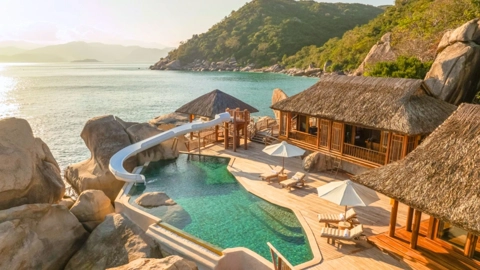
Depending on the location, visitors can find resorts that combine beach access with spa treatments, relaxation facilities and wellness services. This makes the region suitable for travellers who want to spend a few days exploring cultural sites before slowing down at a resort.
The distinction between the city and the coast is important when planning accommodation. Staying in central Hue makes it easier to visit the Imperial City, restaurants and historic sites, while a seaside resort is better suited to a holiday focused on relaxation. These experiences can be combined, but travel time between them should be considered when organising the itinerary.
-720.webp)
For travellers who enjoy both culture and wellness, Hue offers the possibility of a more varied stay than a one-day visit to the imperial monuments might suggest.
5. When Is the Best Time to Visit Hue?
Hue has a tropical monsoon climate, with a hot, generally drier period and a wetter season that can bring prolonged rain. Conditions differ from those in some other parts of Central Vietnam, so it is worth checking Hue's forecast separately rather than assuming the weather will be the same as in Da Nang or Hoi An.
The period from around February to April is often a good choice for sightseeing. Rainfall tends to ease, temperatures are generally more comfortable than during the hottest summer months, and visitors can explore the Imperial City and royal tombs without as much concern about prolonged wet weather. March and April can be particularly appealing for travellers planning a broader cultural itinerary.
From May to August, Hue is usually hotter and sunnier, although heat and humidity can make walking around exposed historical sites tiring. This period can suit visitors who want to combine cultural sightseeing with time at the beach, provided they plan outdoor activities around the hottest hours.

The rainy season generally becomes more pronounced from September, with October and November often bringing particularly heavy rainfall. Rain can continue into the winter months, and the weather may be cool, grey and damp for extended periods. Flooding can affect roads, local transport and access to attractions, so travellers should remain flexible and follow local advice when heavy rain is forecast.
Yet the rainy season is also part of Hue's character. Rain falling over old buildings, mist along the Perfume River and quieter streets can create an atmosphere that many visitors find deeply romantic. The city feels more introspective, and its architecture can appear especially striking under an overcast sky.
The important distinction is between ordinary rain and severe weather. Light or moderate rain does not necessarily prevent an enjoyable visit, but prolonged downpours, flooding and storms can disrupt plans and create safety risks. If travelling during the wetter months, allow spare time in your itinerary and avoid treating every outdoor visit as fixed.

In short, choose the drier months if you want more predictable sightseeing conditions. Consider the rainy season if you appreciate a quieter, more atmospheric Hue and are comfortable adapting your plans to the weather.
6. How Many Days Should You Spend in Hue?
The ideal length of stay depends on whether you want a quick introduction to the imperial heritage or a more complete experience of the city and its surroundings.
One Day in Hue
One day is enough to visit the main highlights if the itinerary is well organised. Prioritise the Hue Imperial City, Thien Mu Pagoda and Khai Dinh Tomb, allowing enough time to explore rather than simply taking photographs. You should also leave time for a proper local meal, since Hue's cuisine is an important part of the experience.
This schedule is suitable for travellers passing through Central Vietnam who have limited time. However, it offers only a first impression and leaves little room for garden houses, lesser-known sites or a relaxed exploration of the city's food culture.

Two Days in Hue
Two days provide a better balance. You can spend the first day exploring the Imperial City and nearby sights, then visit Thien Mu Pagoda and one or more royal tombs on the second day. The additional time also allows you to try more local dishes and explore the city at a less hurried pace.
For many first-time visitors, two days is a sensible starting point. It covers the principal heritage sites without requiring a tightly packed schedule.
Three Days or Longer
With three days or more, you can explore beyond the main monuments. Consider traditional garden houses, local neighbourhoods, additional royal tombs or a visit to the surrounding countryside. You could also extend the trip towards the coast and spend time at a resort, particularly if relaxation is an important part of your holiday.

A longer stay is especially worthwhile for travellers interested in architecture, food, local culture and wellness. Hue is not a destination where the experience depends on checking off as many attractions as possible. Having time to slow down can be part of the appeal.
7. Getting to Hue and Exploring Central Vietnam
Hue is connected to other parts of Vietnam by air, rail and road. Phu Bai International Airport serves the city, while Hue Railway Station is part of the country's north–south railway network. The best option depends on your starting point, budget and whether you prefer a faster transfer or a more scenic journey.
Travelling from Hanoi to Hue
Travellers coming from Hanoi can fly to Hue or take an overnight train. A flight is generally the more time-efficient option, while a sleeper train may appeal to those who enjoy rail travel and want to experience a longer journey through Vietnam.

Depending on the service, sleeper trains offer different cabin configurations, including shared berths and some private or smaller-compartment options. Availability and layout vary, so it is worth checking the specific train before booking rather than assuming every departure offers the same cabin types.
The train journey between Hanoi and Hue is long, and it should be treated as part of the travel experience rather than a quick transfer. If your schedule is tight, flying may leave you with more time to explore the destination.
The Scenic Train Journey from Hue to Da Nang
One of the most memorable rail journeys in Central Vietnam is the route between Hue and Da Nang. The train passes through the Hai Van Pass area, where mountains descend towards the sea and the coastline opens up to impressive views. This shorter segment is particularly appealing to travellers who enjoy landscapes and photography.

The railway journey is different from travelling by road through the pass, and both options can be scenic in their own way. Train schedules, journey times and seat availability vary, so check current services when planning your trip. The route is popular enough that reserving seats in advance is sensible during busy periods.
Combining Hue with Da Nang, Hoi An and Phong Nha
Hue works well as part of a wider Central Vietnam itinerary. Da Nang offers beaches, a modern city atmosphere and a broad range of entertainment, while Hoi An is known for its preserved old town, lantern-lit streets and nearby beaches. Phong Nha is a strong choice for travellers interested in caves, national parks and outdoor adventures.
These destinations offer different experiences, which is why the combination can work so well. Hue provides historical depth and a distinctive food culture; Da Nang offers convenience and beach facilities; Hoi An brings heritage and a more compact old-town atmosphere; and Phong Nha adds nature and adventure.

The order depends on your arrival and departure points, the season and the amount of time available. A carefully planned route can reduce unnecessary transfers and allow you to experience each destination at a comfortable pace.
8. Where to Stay in Hue
For travellers who want to explore the main heritage sites and enjoy local food, staying near the city centre is usually the most practical choice. Hue has boutique hotels and smaller accommodation options that offer convenient access to restaurants, riverside areas and the principal attractions. The best location depends on whether you prefer a quiet setting or want to be within easy reach of the city's evening dining options.
If your priority is relaxation, consider staying outside the centre or extending the trip to a coastal resort. Some seaside properties offer spa facilities and wellness experiences, creating a different atmosphere from a city-based cultural stay.

It is worth deciding which experience matters most before booking. A central hotel is convenient for sightseeing, while a resort by the sea is better suited to a slower holiday. If you want both, splitting your stay between the city and the coast may be more comfortable than travelling back and forth every day.
For a tailor-made trip, Vietnam Original Travel can help you choose accommodation based on your travel dates, preferred level of comfort and the balance you want between cultural visits and relaxation. This can be especially useful if you are combining Hue with Da Nang, Hoi An or other destinations in Central Vietnam.
9. Is Hue the Right Destination for Your Vietnam Trip?
Hue is particularly rewarding for travellers who appreciate history, architecture, traditional arts and food. It suits visitors who enjoy learning the stories behind a place, noticing details in historic buildings and allowing time for experiences that may not be immediately spectacular but become meaningful as the trip unfolds.
Couples, solo travellers, culture enthusiasts and food lovers may find Hue an excellent addition to their Vietnam itinerary. It can also work well for families, depending on the children's ages and interests. The main heritage sites involve walking and can require several hours of attention, so families with young children who dislike visiting monuments may prefer a shorter stay or a more activity-focused destination.

For travellers whose priorities are beach activities, entertainment and a wide choice of family attractions, Da Nang may be a better base. Hoi An is another option for visitors who want a historic setting with opportunities for cooking classes, craft activities, cycling and beach time. Choosing one of these destinations does not mean missing out on Hue permanently; it simply means matching the trip to the interests of the people travelling.
Hue is also worth considering for those who want to spend more time in one place rather than moving every day. Its combination of heritage, food, countryside and coastal retreats makes it possible to build a varied stay, particularly if the itinerary includes time for rest as well as sightseeing.
The best way to decide is to think about what you want from Vietnam. If you are curious about the country's imperial past and enjoy places with a quieter, more reflective atmosphere, Hue deserves serious consideration. If you want constant activity and a beach holiday with plenty of entertainment, another destination may be a better fit.

10. Conclusion: Experience Hue at Your Own Pace
Hue offers a different experience of Vietnam, shaped by imperial history, refined architecture, distinctive cuisine and a slower rhythm of life. The Imperial City, Thien Mu Pagoda and the royal tombs provide an essential introduction, but the city's character extends into traditional garden houses, local food culture and the quieter landscapes beyond the centre.
It is possible to see the main highlights in one day, but a longer stay allows you to discover more of what makes Hue distinctive. You can spend additional time exploring its culinary traditions, visit the countryside or combine cultural sightseeing with a coastal retreat.
The weather deserves consideration, particularly during the rainy season, when the atmosphere can be beautiful but heavy rain and flooding may disrupt travel. With a flexible itinerary and realistic expectations, Hue can be rewarding in different seasons.

If you are planning a journey through Central Vietnam, Vietnam Original Travel can help you combine Hue with Da Nang, Hoi An or Phong Nha according to your interests, travel dates and preferred pace. Whether you want a heritage-focused trip or a longer journey that includes beaches and wellness, thoughtful planning can help you experience Hue in a way that suits you.
11. FAQs About Visiting Hue
Is Hue worth visiting?
Yes, especially if you enjoy history, architecture, traditional culture and distinctive local cuisine. Hue may be less suited to travellers who prioritise nightlife and constant entertainment, but it offers a memorable perspective on Vietnam's imperial past and everyday cultural life.
How many days do you need in Hue?
One day is enough to visit the Imperial City, Thien Mu Pagoda and Khai Dinh Tomb if you plan carefully. Two days offer a more relaxed introduction, while three days or longer allow time for additional monuments, traditional neighbourhoods, local food and coastal experiences.
What are the best things to do in Hue?
The main highlights include exploring the Hue Imperial City, visiting Thien Mu Pagoda, admiring Khai Dinh Tomb and trying local specialities such as bun bo Hue and com hen. Travellers with more time can explore traditional garden houses and the countryside around the city.
What food is Hue famous for?
Hue is best known for bun bo Hue, a distinctive beef noodle soup. Other local favourites include com hen, banh beo, banh nam, banh bot loc, banh khoai, nem lui and traditional che desserts.

When is the best time to visit Hue?
February to April is generally a good period for sightseeing, with less rain and more comfortable conditions. May to August is usually hotter and sunnier, while September to February can bring more rain, cooler weather and occasional flooding.
Can you visit Hue during the rainy season?
Yes, but you should keep your itinerary flexible. Ordinary rain can create a beautiful atmosphere, but heavy rain, storms and flooding may affect transport and access to attractions. Check local weather forecasts and follow safety advice before travelling.
How do you travel from Hanoi to Hue?
You can fly or take a train from Hanoi to Hue. Flying is generally faster, while an overnight sleeper train is an alternative for travellers who enjoy rail journeys and have more time.
Can you travel from Hue to Hoi An and Da Nang?
Yes. Hue is well connected to Da Nang and Hoi An by road, and the train journey from Hue to Da Nang is known for its scenery around the Hai Van Pass. These destinations can be combined in one itinerary, with the route depending on your available time and travel preferences.
Is Hue suitable for families with children?
It can be, particularly for families interested in culture and history. However, many attractions involve walking and extended visits to monuments. Families looking for more entertainment and beach activities may prefer Da Nang or Hoi An, or combine a short visit to Hue with a longer stay elsewhere.
You may also be interested in these articles:
Hoi An Vietnam: A Lantern-Lit Escape of Culture, Craft and Coast
Da Nang Vietnam: A Modern Coastal City Between Sea and Mountains


