



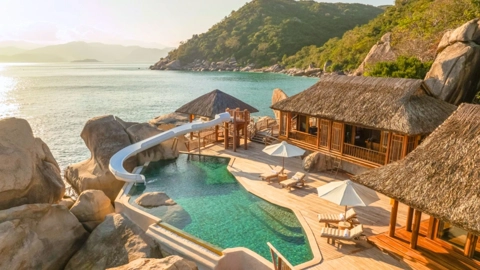


The best beaches in Vietnam offer a remarkable variety of coastal landscapes, from wide sandy shores and peaceful bays to rocky headlands, traditional fishing villages and tropical islands surrounded by coral reefs. Stretching from the northern Gulf of Tonkin to the southern waters, Vietnam's coastline provides something for every traveller, whether you prefer swimming, relaxing under the sun, exploring coastal scenery or discovering marine life.
Among the country's most attractive coastal destinations, Hoi An, Mui Ne and Phu Quoc stand out for their distinctive scenery and range of experiences. Other places, such as Quy Nhon, Nha Trang and Con Dao, are also worth considering, especially for travellers interested in quieter beaches or underwater activities.

However, one important detail should be kept in mind when planning a beach holiday in Vietnam: the sea does not look the same throughout the year. Water clarity, wave conditions and even the colour of the sea can change considerably depending on the weather, rainfall, wind direction and local currents. A beach that looks calm and turquoise on a sunny day may become rough or cloudy after several days of rain. Choosing the right destination and travel period is therefore just as important as choosing the beach itself.
1. An Bang Beach – A Relaxing Coastal Escape in Hoi An
An Bang Beach is one of the most popular coastal destinations near Hoi An Ancient Town. Located approximately 4–5 km from the historic centre, it offers a convenient escape from the busy streets, with a long stretch of sand, beachfront restaurants, cafés and small resorts.
Unlike some heavily developed beach destinations, An Bang retains a relatively relaxed atmosphere. Visitors can spend the morning swimming, enjoy fresh seafood for lunch or simply relax on a sun lounger while looking out towards the sea. The beach is also a pleasant place to watch the sunrise, when the fishing boats and early-morning activities give the coastline a more local character.

The sea can be relatively calm during favourable weather conditions, making An Bang suitable for swimming and leisurely beach activities. However, its appearance changes with the seasons. During the dry months, particularly from around March to August, sunny days and more favourable sea conditions are generally more common. From autumn onwards, central Vietnam can experience heavy rain, strong winds and rough seas, especially during periods affected by tropical storms.
An Bang is an excellent choice for travellers who want to combine a beach holiday with cultural exploration. You can spend the day by the sea and visit Hoi An Ancient Town in the late afternoon or evening, when its lantern-lit streets create a completely different atmosphere.
2. Cua Dai Beach – A Wide Sandy Coast Near Hoi An
Located a short distance from An Bang, Cua Dai Beach is another well-known coastal area in Hoi An. It was once particularly famous for its wide sandy shoreline and clear blue water. Today, the beach remains an interesting place to visit, although its landscape has been affected by coastal erosion and ongoing shoreline protection efforts.

Cua Dai has several beachfront resorts, restaurants and open spaces where visitors can enjoy the sea. Its proximity to Hoi An makes it convenient for travellers who want to stay near the town while having access to the coast.
The beach is best appreciated when the weather is favourable and the sea is relatively calm. During rough conditions, waves and coastal changes can affect the beach experience. Visitors should follow local signs and choose designated swimming areas rather than assuming that every section of the shoreline is suitable for entering the water.
Cua Dai is also a departure point for boat trips towards the Cham Islands, known locally as Cu Lao Cham. These islands offer a different coastal experience, with smaller beaches, rocky landscapes and opportunities for snorkelling when sea conditions allow.
3. Mui Ne – Long Beaches, Sand Dunes and Wind Sports
Mui Ne, in Phan Thiet City, is one of southern Vietnam's best-known beach destinations. Its appeal comes not only from the coastline but also from the surrounding landscape, where sandy beaches, fishing villages and impressive sand dunes create a distinctive coastal environment.

The area has a long stretch of beach lined with resorts, restaurants and cafés. Some sections are suitable for swimming and relaxing, while others are better known for their strong winds and water sports. Mui Ne is particularly famous among kitesurfing and windsurfing enthusiasts, as seasonal wind conditions create favourable opportunities for these activities.
Travellers looking for a traditional beach holiday should pay attention to the exact location of their accommodation. The coastline is not uniform: some sections have wider sandy beaches, while others may have stronger waves, rocky areas or narrower stretches of sand. Sea conditions can also vary according to wind direction and the time of year.
Mui Ne generally has a relatively dry climate compared with many other coastal destinations in central Vietnam. The period from around November to April is often favoured for outdoor activities, although stronger winds can make the sea less suitable for relaxed swimming in certain areas. The rainy season, generally from May to October, can bring occasional heavy showers and changes in water clarity.

Beyond the beach, Mui Ne offers several interesting experiences. Visitors can explore the famous White Sand Dunes and Red Sand Dunes, discover the local fishing village or walk along the Fairy Stream, a shallow stream running through a landscape of red and white sand formations. This combination makes Mui Ne an attractive destination for travellers who want more than just time by the sea.
Bai Rang – A More Local Side of Mui Ne
Bai Rang, also known as Rang Beach, is a coastal area in Mui Ne that offers a slightly different atmosphere from the larger resort sections. The landscape combines sandy stretches, fishing boats, local settlements and sections of rocky shoreline.
Rather than being defined by one long, uninterrupted beach, the area has several different coastal scenes. Visitors can observe local fishing activities, enjoy the sea views and discover a more traditional side of life along the coast.

Some sections have rocks near the water, which add character to the scenery but require extra care when walking or entering the sea. Rocks can become slippery, especially after waves or rain, and swimming conditions should always be checked locally.
Bai Rang is worth considering for travellers interested in photography and coastal life, particularly those who enjoy exploring beyond the main resort areas.
4. Sao Beach – White Sand and Tropical Scenery in Phu Quoc
Sao Beach, or Bai Sao, is one of the most recognisable beaches on Phu Quoc Island. Located on the southeastern coast, it is famous for its pale sand, tropical surroundings and attractive shades of blue that can appear especially vivid under clear skies.
The beach has a relatively sheltered setting, with a curved shoreline and palm trees adding to its tropical atmosphere. During favourable weather, the water can look calm and inviting, making Sao Beach a popular place for swimming, relaxing and taking photographs.

Its soft, light-coloured sand is one of its main attractions. Visitors can spend several hours here, enjoy seafood at a beachfront restaurant or simply admire the view. However, the beach can become busy during peak holiday periods, particularly around the most accessible sections.
Although Sao Beach is often featured in photographs showing exceptionally clear turquoise water, these conditions should not be expected every day. Rainfall, wind, currents and changes in the seabed can affect water clarity and colour. The beach is generally more attractive during favourable dry-season conditions, but local weather should still be checked before planning a visit.
Sao Beach is primarily a destination for relaxing and swimming rather than a major diving location. Travellers interested in exploring coral reefs should consider joining a snorkelling or diving excursion to suitable areas around the southern islands of Phu Quoc.
5. Khem Beach – A Beautiful Crescent-Shaped Bay in Phu Quoc
Khem Beach, known locally as Bai Khem, is another beautiful coastal destination on the southern part of Phu Quoc. Its curved shoreline, fine light-coloured sand and green surroundings create a picturesque setting that is particularly appealing to travellers seeking a peaceful beach escape.

The area has become associated with high-end resorts, giving it a more exclusive atmosphere than some of the island's busier public beaches. Depending on the section of coastline and access arrangements, visitors can enjoy the sea, relax on the sand or spend time at beachfront facilities.
Khem Beach is especially attractive on sunny days, when the contrast between the pale sand and blue-green water is most noticeable. Its appearance, however, depends on the same natural factors that affect other beaches on the island. During periods of strong wind or unsettled weather, the water may become less clear and the waves can be stronger.
For travellers who value comfortable accommodation, attractive scenery and a more relaxed atmosphere, Khem Beach is a strong option. It is also easy to combine with other attractions in southern Phu Quoc, including the An Thoi area and nearby island excursions.
6. Ong Lang Beach – Rocky Shores and Beautiful Sunsets in Phu Quoc
Ong Lang Beach offers a different coastal landscape from the long sandy beaches of Sao and Khem. Located on the western side of Phu Quoc, it consists of several smaller sandy sections separated by rocky formations and natural vegetation.

These rocky stretches give the coastline a more varied appearance. Rather than one continuous beach, visitors can discover small coves, uneven rock formations and quiet spots overlooking the sea. The landscape is particularly attractive in the late afternoon, when the western coastline offers beautiful sunset views.
Ong Lang is a good choice for travellers who prefer a quieter atmosphere and accommodation surrounded by nature. Several resorts and boutique properties are located in the area, making it suitable for a relaxing stay away from the busiest parts of the island.
However, the rocky shoreline requires some caution. Not every section is suitable for swimming, and rocks may be slippery or partially submerged. Visitors should choose accessible sandy areas for entering the water and avoid swimming when waves or currents are strong.

The western coast of Phu Quoc generally experiences more favourable beach conditions during the dry season, approximately from November to April. During the rainy season, waves and wind can affect the coastline, sometimes making swimming less comfortable.
7. Long Beach – Phu Quoc's Famous Sunset Coast
Long Beach, or Bai Truong, stretches along the western coast of Phu Quoc and is one of the island's most developed beach areas. Its long shoreline is lined with hotels, resorts, restaurants, beach clubs and cafés, making it a convenient choice for travellers who want easy access to services.
One of Long Beach's most appealing features is its sunset. As the sun gradually disappears over the Gulf of Thailand, the sky often takes on warm shades of orange, pink and purple. Many beachfront cafés and bars provide comfortable places to enjoy this daily spectacle.
The beach is suitable for swimming and relaxing when sea conditions are favourable. However, its popularity and length mean that the atmosphere can vary considerably from one section to another. Some areas are lively and well-equipped, while others are quieter.

Long Beach is also a practical base for exploring Phu Quoc. It offers convenient access to Duong Dong town, the island's main restaurants and markets, as well as several transport connections to other attractions.
For the best beach experience, the dry season is generally recommended. Even so, visitors should remember that clear water and calm waves are never guaranteed throughout the entire season.
8. Ky Co Beach – Turquoise Water and Rocky Cliffs in Quy Nhon
Located near Quy Nhon in Binh Dinh Province, Ky Co Beach is known for its striking combination of sandy shoreline, turquoise water and rocky cliffs. The surrounding hills create a relatively enclosed coastal setting, giving the beach a distinctive appearance.
On sunny days with calm seas, the water can look exceptionally clear, particularly near the shallower sections. The coastline also features rock formations and small natural pools, creating interesting scenery for photography and exploration.

Ky Co is often visited as part of a boat excursion from the nearby fishing village of Nhon Ly. Depending on the itinerary and sea conditions, visitors may have the opportunity to swim, explore the coastline or combine the trip with nearby attractions such as Eo Gio, a scenic coastal area known for its cliffs and walking paths.
The best conditions are generally more common during the drier months, roughly from March to September, although the exact timing varies from year to year. During rough seas or unfavourable weather, boat trips may be restricted or cancelled.
The rocky landscape is part of Ky Co's appeal, but visitors should be careful around submerged rocks and exposed coastal sections. Swimming should be limited to designated or locally recommended areas.
9. Nha Trang Beach – A Convenient Gateway to Island Activities
Nha Trang is one of Vietnam's most established beach destinations. Located along the south-central coast, the city has a long sandy beach running beside its urban centre, with hotels, restaurants and cafés nearby.

The main city beach is convenient for swimming, walking and enjoying the coastal atmosphere without travelling far from accommodation. However, travellers looking for more impressive underwater experiences should consider the surrounding islands rather than limiting their visit to the central shoreline.
Hon Mun Marine Protected Area is particularly well known for its marine biodiversity and coral reef habitats. The waters around the island have traditionally attracted snorkelling and diving enthusiasts, although the condition of coral ecosystems can change over time and access may be subject to conservation measures.
Other island excursions around Nha Trang offer opportunities to swim, snorkel and explore the coastline. The suitability of each location depends on visibility, currents, weather and the quality of the local marine environment.
Nha Trang generally has more favourable beach conditions during much of the dry season, approximately from January to August. The period from September to December can bring heavier rainfall and rougher seas, although conditions vary.

For travellers interested in combining a city break with swimming, boat trips and underwater activities, Nha Trang remains one of the most convenient choices in Vietnam.
10. Con Dao – Pristine Beaches and Marine Landscapes
Con Dao is an archipelago off the southern coast of Vietnam, known for its natural scenery, quiet atmosphere and rich marine environment. Compared with more developed beach destinations, the islands offer a more secluded experience, with forested hills, sandy coves and clear-water areas during favourable conditions.
Dam Trau Beach is among the archipelago's most famous beaches. Surrounded by tropical vegetation and a relatively natural landscape, it is an attractive place to relax, swim and enjoy the coastal scenery.
Con Dao is also important for marine conservation. Its surrounding waters contain coral reef ecosystems and habitats for several marine species. Snorkelling and diving can be rewarding experiences when conditions are suitable and activities are organised through responsible local operators.

The archipelago is also well known for sea turtle conservation. Certain beaches are important nesting sites, and the nesting season generally takes place between April and November, although exact timing varies. Visitors should follow conservation guidelines and avoid disturbing nesting turtles or hatchlings.
Sea conditions around Con Dao can change depending on the season and exposure of individual beaches. The period from around March to September is often considered more favourable for many outdoor and marine activities, but visitors should check local forecasts before travelling.
Con Dao is particularly suitable for nature lovers and travellers who prefer a quieter destination with opportunities to explore both coastal and marine ecosystems.
Choosing the Right Beach in Vietnam: Swimming, Snorkelling or Diving?
Not all beautiful beaches offer the same activities. Some are ideal for swimming and relaxing, while others are better suited to exploring rocky coastlines, taking boat trips or discovering underwater life. Understanding these differences will help you choose a destination that matches your travel interests.

Best Beaches for Swimming and Relaxation
If your priority is a comfortable beach holiday, An Bang in Hoi An, Sao Beach and Khem Beach in Phu Quoc are worth considering. These destinations offer sandy shorelines and facilities that make it easy to spend a few hours or even an entire day by the sea.
Long Beach in Phu Quoc and parts of Mui Ne are also suitable options, particularly for travellers who prefer staying close to hotels, restaurants and other services.
Nevertheless, the suitability of any beach for swimming depends on current conditions. Always pay attention to local warnings, waves and currents, even when the sea appears relatively calm.
Best Places for Snorkelling and Diving
For travellers interested in marine life, the southern islands of Phu Quoc, particularly around the An Thoi archipelago, offer opportunities for snorkelling and diving. Several boat excursions visit islands and reef areas where visitors can explore underwater landscapes.

Nha Trang is another established destination for these activities, especially around Hon Mun. Con Dao also offers opportunities to discover coral reef ecosystems, subject to local regulations and marine conditions.
It is important to distinguish between snorkelling and diving. Snorkelling usually takes place near the water's surface in relatively shallow areas, while scuba diving requires specialist equipment, training and professional supervision. Neither activity should be undertaken in areas with strong currents, poor visibility or unsafe sea conditions.
Best Beaches for Rocky Coastal Scenery
Travellers who enjoy dramatic coastal landscapes should consider Ong Lang in Phu Quoc, Ky Co in Quy Nhon and parts of the Mui Ne coastline.
These areas feature rocky formations, small coves and interesting coastal shapes that create excellent photography opportunities. Some sections may also offer suitable conditions for exploring marine life, but the presence of rocks does not automatically mean that a location is safe or suitable for snorkelling.

Always check water depth, currents and access conditions before entering the sea. Wearing suitable footwear is advisable when walking over rocky or uneven coastal surfaces.
When Is the Best Time to Visit Vietnam's Beaches?
Vietnam has several different coastal climate zones, so there is no single month that guarantees perfect beach weather throughout the country. Choosing the right travel period depends largely on which coastline you plan to visit.
Hoi An and Central Vietnam: The period from approximately March to August is generally more favourable for beach activities, with warmer weather and more frequent sunny days. From around September to January, central Vietnam can experience heavy rainfall, tropical storms and rough seas. October and November are often among the wettest months in the region, although conditions vary each year.
Mui Ne and Phan Thiet: Mui Ne has a relatively dry climate and can be visited throughout much of the year. The period from November to April is often popular for beach holidays and wind sports. However, stronger seasonal winds can create larger waves in some areas, so travellers should consider whether they prefer swimming or activities such as kitesurfing.

Phu Quoc: The dry season generally runs from November to April, making this period popular for beach holidays. The western coast, including Long Beach and Ong Lang, often enjoys more favourable conditions during these months. From approximately May to October, the island experiences its rainy season, when stronger winds, waves and reduced water clarity may affect some beaches. Conditions can differ between the eastern and western sides of the island.
Nha Trang and Quy Nhon: These destinations generally have favourable beach conditions during much of the drier part of the year. Nha Trang is often suitable from around January to August, while Quy Nhon is commonly visited between March and September. Rainfall and rough seas can become more frequent towards the end of the year.
Con Dao: The archipelago can be visited throughout the year, but conditions for swimming, boat excursions and diving depend on the monsoon and local sea conditions. The period from approximately March to September is often favourable for many activities, although this should not be treated as a guarantee of calm seas.

These seasonal patterns are useful for planning, but they are not fixed rules. Rainfall, tropical storms, wind direction and local currents can affect the sea even during the traditionally favourable months. Before booking a boat trip or planning a day of swimming, check the latest weather forecast and ask local accommodation providers or tour operators about current sea conditions.
Conclusion – Discover Vietnam's Coastline at Its Best
Vietnam offers a remarkable variety of coastal landscapes, from the relaxed sandy beaches of Hoi An to the wind-swept shores of Mui Ne and the tropical bays of Phu Quoc. Travellers seeking dramatic scenery can explore the rocky coastline of Ky Co, while those interested in underwater experiences may prefer Nha Trang, the southern islands of Phu Quoc or Con Dao.
The best beach for your trip depends on more than its appearance in photographs. Consider the season, the type of activities you enjoy, the location of your accommodation and the sea conditions expected during your stay. A little planning can make a significant difference, particularly if swimming, snorkelling or diving is an important part of your holiday.

At Vietnam Original Travel, we can help you choose the coastal destinations that best match your interests and travel dates, combining beach relaxation with cultural discoveries and authentic local experiences. Whether you dream of a few peaceful days in Phu Quoc, a coastal escape near Hoi An or an adventure exploring Vietnam's islands, the right itinerary will help you make the most of the country's beautiful coastline.
You may also be interested in these articles:
Hoi An Vietnam: A Lantern-Lit Escape of Culture, Craft and Coast


