


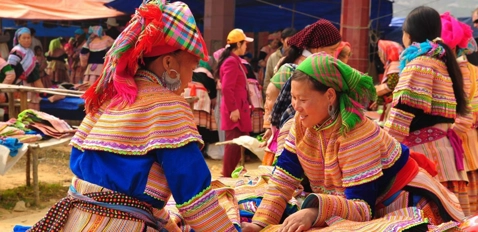



Vietnam homestays offer travelers one of the most authentic and enriching ways to experience the country. More than just a place to sleep, a homestay in Vietnam invites visitors to step into the daily life of local families, discover traditional customs, taste home-cooked cuisine, and connect with the people who make the country so welcoming. For travelers seeking meaningful experiences beyond hotels and resorts, Vietnam homestays provide a unique window into the culture, lifestyle, and hospitality of the Vietnamese people.
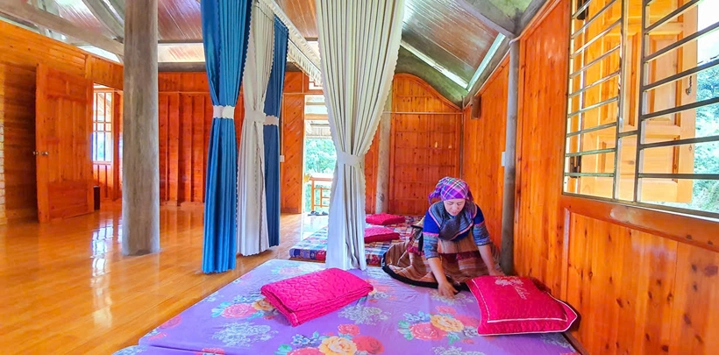
Across Vietnam, homestays can be found in a wide range of landscapes from the emerald rice terraces of the northern mountains to the peaceful villages of the Mekong Delta and the coastal countryside of central Vietnam. In regions such as Sapa, Ha Giang, Mai Chau, Pu Luong, or Ba Be, homestays are often traditional wooden houses built on stilts by ethnic minority communities like the Hmong, Dao, Thai, or Tay people. These homes are typically surrounded by rice fields, mountains, or forests, creating a tranquil and scenic environment where visitors can truly disconnect from the fast pace of modern life.
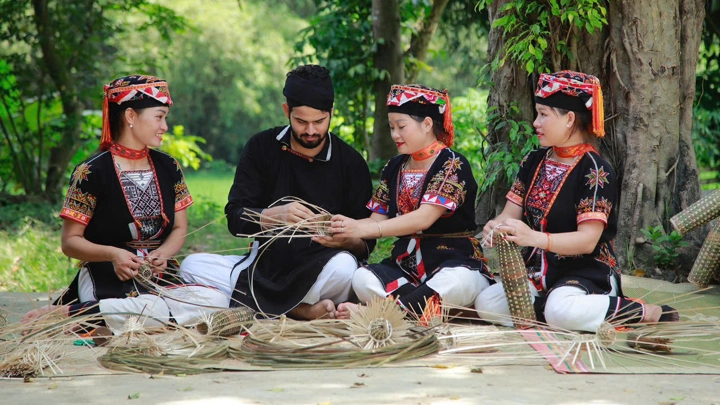
One of the greatest advantages of Vietnam homestays is the opportunity to experience genuine local hospitality. Hosts often welcome guests as part of the family, sharing stories about their culture and traditions while introducing them to daily activities such as farming, cooking, fishing, or handicraft making. Travelers may learn how to prepare classic Vietnamese dishes like spring rolls or pho, harvest vegetables from the garden, or join a traditional family meal where everyone gathers around the table to share food and conversation.
Accommodation in Vietnam homestays ranges from simple yet comfortable rooms to beautifully designed eco-lodges that blend traditional architecture with modern amenities. Many homestays now offer private rooms with ensuite bathrooms, clean bedding, Wi-Fi, and stunning views of the surrounding landscapes. Despite these comforts, they still preserve the charm and authenticity that make homestays so appealing.
Another highlight of staying in a homestay is the cultural immersion it provides. Visitors can witness traditional ceremonies, local festivals, or daily routines that are rarely seen by ordinary tourists. In the evening, guests might enjoy traditional music performances, storytelling, or simply relax under the stars while listening to the sounds of nature. These moments create lasting memories and foster genuine connections between travelers and their hosts.
Vietnam homestays also play an important role in sustainable tourism. By choosing a homestay, travelers directly support local communities, helping families generate income while preserving their traditions, crafts, and environment. This form of tourism encourages cultural exchange and promotes responsible travel that benefits both visitors and local residents.

In essence, Vietnam homestays offer far more than accommodation, they provide a warm, authentic, and unforgettable travel experience. Whether nestled in a remote mountain village or located in a peaceful rural area, a homestay allows travelers to slow down, appreciate the beauty of everyday life, and truly understand the spirit of Vietnam.


