


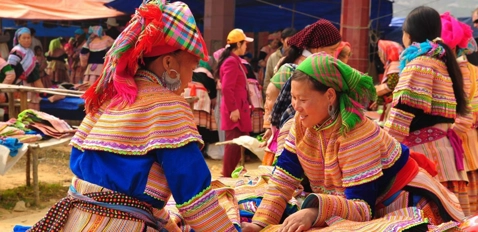



Cultural celebrations are vibrant expressions of a community’s history, beliefs, and collective identity. Across the world, festivals and traditional ceremonies bring people together to honor important events, commemorate historical milestones, and celebrate the values that define a society. These celebrations are not only moments of joy and gathering, but also powerful ways of preserving traditions and passing them from one generation to the next.

At the heart of cultural celebrations are rituals, music, dance, and cuisine that reflect the unique character of each culture. Whether it is a religious festival, a harvest celebration, a national holiday, or a traditional community event, these occasions often combine spiritual meaning with social connection. Families reunite, communities organize public festivities, and visitors are welcomed to experience local customs. In many places, the streets come alive with colorful decorations, traditional costumes, parades, and performances that showcase the richness of cultural heritage.
Food plays an essential role in cultural celebrations. Special dishes are often prepared only during particular festivals, carrying symbolic meanings and historical significance. These culinary traditions connect people with their ancestors and with the land that sustains them. Sharing meals during festivals strengthens bonds among family members, neighbors, and guests, creating an atmosphere of generosity and hospitality.

Another important aspect of cultural celebrations is storytelling. Through songs, theatrical performances, and traditional games, communities retell legends, historical events, and moral lessons. These narratives help maintain a shared sense of identity and remind participants of the values that guide their culture. In many societies, elders play a key role in explaining the meaning behind rituals, ensuring that younger generations understand and respect their heritage.
Cultural celebrations also contribute significantly to cultural exchange and tourism. Travelers who participate in local festivals gain a deeper understanding of a destination beyond its landscapes and monuments. Experiencing a festival allows visitors to feel the rhythm of daily life, interact with local people, and witness authentic traditions. As a result, many destinations around the world have become known for their unique celebrations, which attract visitors seeking meaningful and immersive experiences.
However, preserving the authenticity of cultural celebrations is essential. As tourism grows, communities must balance the desire to share their traditions with the need to protect their cultural integrity. Responsible tourism encourages visitors to appreciate festivals respectfully, recognizing their deeper significance rather than treating them as mere entertainment.

In essence, cultural celebrations are living traditions that connect the past, present, and future. They bring communities together, strengthen social bonds, and celebrate the diversity of human culture. By honoring these traditions and sharing them thoughtfully with the world, societies ensure that their cultural heritage continues to thrive and inspire generations to come.


