




As sustainability becomes an increasingly important consideration for international businesses, corporate events are evolving beyond traditional meetings, conferences and incentive trips. Companies are paying closer attention not only to the quality of the experience but also to its environmental and social impact. In this context, Sustainable MICE in Vietnam offers an opportunity to combine professional event management with responsible travel practices, meaningful cultural experiences and support for local communities.
Vietnam is particularly well suited to this approach. Its diverse landscapes, cultural heritage, coastal destinations and developing hospitality infrastructure provide a wide range of possibilities for responsible corporate events. From meetings in major cities to incentive programmes in rural areas, companies can design experiences that bring participants closer to the destination while considering the needs of the environment and local residents.
However, organising Sustainable MICE in Vietnam requires more than selecting an attractive destination or choosing a hotel that promotes environmentally friendly practices. Sustainability needs to be considered throughout the planning and operational process, from transportation and accommodation to catering, activities, supplier selection and on-site management. With the right preparation and the support of an experienced local DMC, businesses can organise corporate events that are both professionally delivered and more responsible.
1. What Does Sustainable MICE Really Mean?
Sustainable MICE refers to the organisation of meetings, incentive trips, conferences and exhibitions in ways that reduce negative environmental impacts, respect local communities and contribute positively to the destination's economy. Rather than focusing exclusively on reducing waste or choosing environmentally friendly materials, this approach considers the overall impact of an event before, during and after its implementation.
There are three main dimensions to Sustainable MICE.
Environmental responsibility focuses on reducing the consumption of natural resources, limiting waste, choosing more efficient transportation and protecting the ecosystems surrounding event venues and destinations. For example, a corporate group visiting a coastal area should consider not only the quality of its resort but also how its activities may affect nearby beaches and marine environments.
Social responsibility concerns the relationship between the event and the people who live in the destination. This includes respecting local customs, working with communities in an appropriate manner, supporting fair working conditions and ensuring that cultural activities do not exploit local traditions or turn everyday life into a staged performance for visitors.
Economic sustainability involves creating lasting value for the destination by working with local businesses, employing local professionals and purchasing regional products and services whenever appropriate. Instead of relying entirely on large external suppliers, a responsible MICE programme can distribute part of its economic benefits to smaller businesses and communities.
These three dimensions are interconnected. An event may reduce plastic consumption but still have a limited positive impact if it ignores local communities or depends entirely on external suppliers. For this reason, Sustainable MICE in Vietnam should be approached as a comprehensive planning strategy rather than a collection of isolated environmental measures.
2. How to Organize Sustainable MICE Events in Vietnam
A responsible corporate event begins with clear objectives and practical decisions. Every element of the programme, including the destination, venue, transportation, catering and group activities, can influence its overall sustainability.
2.1. Choose Destinations and Venues Responsibly
Destination and venue selection is one of the first decisions in Sustainable MICE planning. Companies should look beyond scenery, hotel categories and meeting-room capacity to assess how a venue operates and whether it can support the event's environmental and social objectives.
Hotels, resorts and convention centres may have different approaches to energy consumption, water management, waste separation, food sourcing and the use of disposable materials. Some properties also have policies relating to local employment, community engagement and environmental protection. These aspects are worth examining during the selection process rather than relying solely on general sustainability claims.
In Vietnam, companies can consider different types of venues depending on their event format. Business hotels in Hanoi and Ho Chi Minh City are suitable for meetings and conferences, while coastal resorts in Da Nang, Nha Trang and Phu Quoc offer opportunities to combine corporate activities with leisure experiences. In destinations such as Ninh Binh and Hoi An, smaller venues may provide a closer connection with local culture and surrounding landscapes.
The right choice depends on the group's size, operational requirements and sustainability priorities. A venue should be assessed according to its actual facilities and practices, not simply its location or star rating.
2.2. Work with Local Suppliers and Businesses
Working with local suppliers is one of the most practical ways to make Sustainable MICE in Vietnam more beneficial to the destination. Local restaurants, transport operators, guides, artisans, farmers and event service providers can all contribute to a corporate programme while allowing more economic value to remain within the region.
For example, a corporate group visiting Hoi An could enjoy a meal prepared with regional ingredients, participate in a traditional craft workshop led by local artisans or explore the surrounding countryside with a knowledgeable local guide. In the Mekong Delta, a programme might include visits to family-run agricultural businesses or traditional workshops, provided these activities are organised with the agreement and participation of the people involved.
However, local sourcing should not mean selecting suppliers based on proximity alone. Service quality, food safety, reliability, working conditions and operational capacity remain essential, especially when managing large corporate groups. A local supplier must be able to meet the requirements of the event while operating responsibly.
For international companies, a local DMC can help identify suitable businesses, assess their capabilities and coordinate their services within a consistent event programme.
2.3. Reduce Waste and Single-Use Materials
Corporate events can generate considerable amounts of waste, particularly during conferences, exhibitions, banquets and large incentive programmes. Printed materials, disposable tableware, plastic bottles, food packaging and event decorations are among the items that can often be reduced through better planning.
For Sustainable MICE in Vietnam, organisers can introduce digital invitations, electronic event programmes and online registration systems instead of printing large quantities of documents. Reusable water stations and refillable bottles can help reduce single-use plastic, provided that safe drinking water is available and the facilities are convenient for participants.
Catering also deserves attention. Organisers can work with hotels and restaurants to estimate food requirements more accurately, avoid excessive buffet preparation and choose menus that incorporate seasonal and regional ingredients. Decorations, signage and event materials can be designed for reuse rather than discarded after a single occasion.
Waste separation and recycling should also be discussed with the venue in advance. Providing separate bins is not enough if the venue does not have an appropriate system for collecting and processing the materials afterwards. Practical coordination with suppliers is therefore essential to ensure that environmental measures are actually implemented.
2.4. Choose More Responsible Transportation
Transportation is another important consideration when organising MICE events in Vietnam, particularly for programmes involving several destinations or large groups of international participants.
One practical approach is to design an efficient itinerary that reduces unnecessary transfers. Rather than moving between distant locations for individual activities, organisers can group visits by area and select accommodation that provides convenient access to meeting venues and planned experiences.
For group transportation, vehicles should be selected according to the number of participants and the requirements of the programme. Using appropriately sized coaches can be more efficient than arranging numerous smaller vehicles. Where suitable services are available, organisers can also consider rail travel for certain domestic routes, particularly when the journey itself forms part of the travel experience.
However, transportation decisions must account for actual travel times, road conditions, accessibility and the group's schedule. A theoretically more sustainable option may not be practical if it creates excessive transfers or compromises the event's operational requirements.
A well-designed itinerary balances environmental considerations with participant comfort, safety and time efficiency.
2.5. Design Responsible Incentive and Team-Building Activities
Incentive travel and team building are particularly valuable opportunities to introduce sustainability into a corporate programme. Instead of relying exclusively on conventional entertainment, companies can include experiences that help participants understand the destination, discover local traditions and interact respectfully with the surrounding community.
In Vietnam, suitable activities may include traditional cooking classes, visits to craft villages, cycling through rural landscapes, guided cultural walks and workshops led by local artisans. In agricultural areas, participants may learn about regional products and traditional production methods, provided that visits are arranged with local hosts and do not disrupt their normal activities.
Nature-based experiences can also be included in incentive programmes. Kayaking, walking, cycling and guided excursions offer opportunities to explore Vietnam's landscapes at a more measured pace. In areas with sensitive ecosystems, however, activities should follow local regulations and avoid disturbing wildlife or damaging natural habitats.
Corporate team-building activities should be designed according to the destination's conditions and the participants' abilities. A beach clean-up, for example, may be appropriate when organised in cooperation with a local environmental organisation, with proper waste collection and disposal arrangements. Without these elements, the activity risks becoming a symbolic exercise rather than a meaningful contribution.
The objective of responsible incentive travel is not simply to give participants an unusual experience. It is to create genuine connections with the destination while respecting the people and places involved.
2.6. Respect Local Culture and Communities
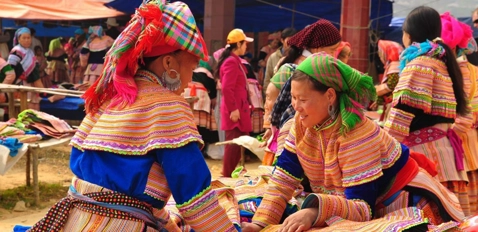
Cultural sensitivity is an essential part of Sustainable MICE in Vietnam. Corporate groups often visit traditional villages, religious sites, local markets and communities whose customs may differ from those of international participants. These encounters can be enriching, but they require appropriate preparation and guidance.
Participants should receive basic information about local etiquette before visiting cultural or religious sites. This may include appropriate clothing, respectful behaviour, photography rules and awareness of local customs. When visiting residential areas or traditional villages, groups should avoid excessive noise, blocking public spaces or interfering with people's daily routines.
Photography deserves particular attention. Visitors should ask permission before taking close-up photographs of individuals, especially children, and should respect anyone who does not wish to be photographed. Organisers should also avoid distributing money, sweets or gifts directly to children during village visits, as this can unintentionally encourage begging and create incentives for children to seek gifts from visitors instead of attending school.
If a programme includes a community visit or social contribution activity, it should be planned in cooperation with local representatives or reputable organisations. The needs of the community should guide the activity, rather than the expectations of visitors. This approach helps ensure that responsible corporate events create positive interactions instead of placing unnecessary pressure on local residents.
2.7. Measure the Environmental and Social Impact
A sustainable event should be assessed through practical indicators rather than relying only on general statements about environmental responsibility. Although not every corporate programme requires a formal sustainability audit, organisers should identify a few relevant criteria before the event begins.
Depending on the scale and objectives of the programme, these may include the amount of waste generated, the use of disposable materials, food waste management, transportation arrangements and the proportion of services sourced from local businesses. Organisers may also assess whether community activities were conducted with local participation and whether the event respected the destination's cultural and environmental requirements.
Feedback from participants, suppliers and local partners can provide additional insight into what worked well and what could be improved. For companies that organise MICE events regularly, keeping basic records of these indicators can help establish more consistent standards across future programmes.
The goal is not to claim that every event is completely sustainable. Rather, it is to make responsible decisions measurable, identify areas for improvement and communicate results honestly.
3. Sustainable MICE Experiences in Vietnam: Where to Go
Vietnam offers a diverse range of destinations for companies seeking to organise responsible corporate events. Each region provides different opportunities, from cultural discovery and community-based experiences to coastal incentives and nature-oriented programmes. The most suitable destination depends on the event's objectives, group profile and the type of experience the company wishes to create.
3.1. Hanoi: Cultural Discovery and Responsible Urban Experiences
As Vietnam's capital, Hanoi offers a combination of business infrastructure, historical landmarks, traditional neighbourhoods and local food culture. It is a practical destination for meetings and conferences, while also providing opportunities to introduce participants to the city's cultural identity.
A responsible corporate programme in Hanoi might include guided walking tours, visits to traditional craft communities, cooking experiences and meals at restaurants that work with regional ingredients. Participants can explore the city's heritage while learning about its everyday life, rather than limiting their experience to major tourist attractions.
Hanoi also provides convenient access to surrounding destinations such as Bat Trang, known for its traditional ceramics, and other craft villages in the Red River Delta. These visits can support local artisans when organised through appropriate partners and with respect for their working environment.
3.2. Ninh Binh: Nature, Rural Landscapes and Low-Impact Activities
Ninh Binh is an appealing option for incentive programmes that prioritise nature, outdoor activities and rural experiences. Its limestone formations, waterways, rice fields and traditional villages provide a distinctive setting for corporate groups seeking a quieter alternative to major urban destinations.
Activities such as cycling through rural roads, guided visits to local communities and boat excursions in areas such as Trang An can be incorporated into a responsible incentive programme. These experiences should be organised with attention to visitor limits, local regulations and the protection of natural and cultural heritage.
Ninh Binh is particularly suitable for smaller groups or programmes that combine business activities with outdoor experiences. However, organisers should consider transportation, venue capacity and the availability of suitable facilities before selecting it for a formal conference or large-scale corporate event.
3.3. Hoi An: Heritage, Traditional Crafts and Local Gastronomy
Hoi An is one of Vietnam's most distinctive destinations for cultural incentive travel. Its historic architecture, traditional craft activities, regional cuisine and surrounding countryside provide opportunities for corporate groups to experience local heritage in a more personal way.
A Sustainable MICE programme in Hoi An could include visits to craft workshops, cooking classes, cycling excursions and guided walks through the Ancient Town. Groups may also explore nearby rural communities and learn about traditional agricultural practices or local food production.
Because Hoi An's historic centre is a protected heritage area, event organisers should consider visitor flows, venue restrictions and the impact of large groups on the local environment. Private events and cultural activities should be arranged with appropriate permissions and respect for the site's conservation requirements.
3.4. Da Nang: Coastal Resorts and Responsible Corporate Programmes
Da Nang combines a developed hospitality sector with beaches, cultural attractions and access to several destinations in Central Vietnam. It is suitable for corporate meetings, incentive travel, team building and resort-based retreats.
Companies can organise meetings at hotels and resorts, followed by activities such as guided coastal walks, local food experiences or cultural excursions to nearby Hoi An and Hue. Beach activities may also form part of a team-building programme, provided that they are designed to minimise waste and avoid damaging coastal environments.
For larger groups, Da Nang offers a wider choice of accommodation and event facilities than many smaller coastal destinations. Nevertheless, organisers should assess each property individually, including its environmental practices, meeting facilities, catering standards and ability to support the specific requirements of the event.
3.5. Mekong Delta: Community-Based Experiences and Regional Traditions
The Mekong Delta offers a different perspective on Vietnam through its waterways, agricultural landscapes, traditional workshops and river-based livelihoods. It can be particularly suitable for incentive programmes focused on local culture, food production and community engagement.
Corporate groups may visit fruit orchards, explore traditional craft activities, discover regional food products or learn about the daily life of communities along the river. These experiences can provide meaningful insight into the region while creating opportunities for local businesses and hosts.
However, responsible planning is essential. Visits should be arranged with the agreement of local operators and residents, and group activities should not disrupt agricultural work or everyday routines. Organisers should also consider the environmental sensitivity of waterways and surrounding ecosystems when choosing transport and excursions.
3.6. Ha Long Bay and Phu Quoc: Coastal Experiences with Environmental Considerations
Ha Long Bay and Phu Quoc offer distinctive settings for incentive travel and corporate experiences. Ha Long Bay is known for its limestone islands and cruise-based programmes, while Phu Quoc provides beach resorts, island excursions and opportunities for coastal retreats.
In Ha Long Bay, corporate groups can enjoy private dining, networking sessions and selected onboard activities. However, cruise operators should be evaluated according to their safety standards, waste management practices, environmental policies and compliance with local regulations. The suitability of a vessel for corporate events should also be checked, as not every tourist cruise can accommodate formal meetings or large group functions.
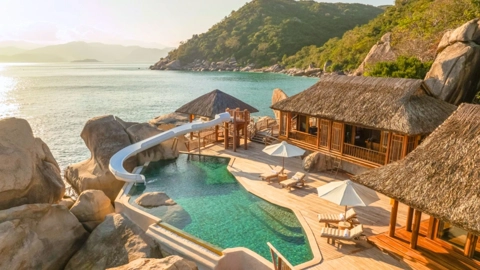
In Phu Quoc, resort-based MICE programmes can combine meetings with beach activities, local gastronomy and island experiences. Organisers should pay particular attention to water consumption, waste management, coastal protection and the environmental impact of marine excursions.
Neither destination should be considered sustainable simply because it offers beautiful natural surroundings. Responsible operations and careful supplier selection are essential to protecting the landscapes that make these places attractive.
4. Challenges of Organizing Sustainable MICE in Vietnam
Although Vietnam offers many opportunities for responsible corporate events, implementing sustainable practices can present practical challenges. One of the main difficulties is the uneven level of environmental and social responsibility among suppliers. Some hotels and service providers may have established policies and measurable practices, while others may use general sustainability language without providing clear evidence of their implementation.
Infrastructure can also vary significantly between destinations. Major cities and developed resort areas generally offer a wider choice of event facilities and services, whereas rural or remote locations may have limited waste-processing systems, transportation options and technical resources. This does not necessarily make them unsuitable for responsible MICE, but it means that programmes must be designed according to local conditions.
Another challenge is balancing sustainability with corporate expectations. International companies may require high accommodation standards, sophisticated technical equipment, extensive catering services and tightly organised schedules. Meeting these requirements while reducing environmental impact requires realistic planning and cooperation between all suppliers.
Budget considerations should also be approached carefully. Sustainable MICE does not automatically mean lower costs. Some responsible options may require additional preparation, specialised suppliers or more detailed coordination. At the same time, thoughtful itinerary design, efficient transportation and local sourcing can create operational efficiencies and improve the overall value of an event.
For these reasons, companies should avoid relying on general claims or selecting suppliers based solely on promotional descriptions. Practical assessment, transparent communication and on-site coordination are necessary to ensure that sustainability commitments can be translated into real actions.
5. The Role of a Local DMC in Sustainable MICE Planning
Organising Sustainable MICE in Vietnam involves coordinating numerous services across different locations, suppliers and operational requirements. For international companies and travel agencies, working with a local Destination Management Company can make this process more manageable and consistent.
A local DMC understands the characteristics of each destination, the capabilities of regional suppliers and the practical considerations involved in operating corporate programmes in Vietnam. This knowledge is particularly important when a company wants to include community-based activities, local businesses or nature-oriented experiences while maintaining professional service standards.
The DMC's role begins during the planning stage. By understanding the company's objectives, participant profile and sustainability priorities, the local team can recommend suitable destinations, venues and suppliers. Hotels, resorts, restaurants, transport operators and activity providers can then be assessed according to their actual capabilities and relevance to the programme.
Preparation is equally important. A responsible MICE event requires more than selecting suitable partners; services must be coordinated in advance. This includes checking transportation arrangements, confirming menus, communicating cultural guidelines, preparing activity schedules and ensuring that suppliers understand the agreed operational and sustainability requirements.
During the event, the DMC's local team monitors service delivery, coordinates suppliers and addresses unexpected situations. This on-site supervision helps maintain service quality while ensuring that the programme follows the agreed arrangements. If weather conditions, transportation delays or other operational issues arise, the team can coordinate adjustments without losing sight of the event's objectives.
For Vietnam Original Travel, the aim is to design and manage corporate programmes that combine destination knowledge, reliable local services and meaningful experiences. As a local DMC operating across Vietnam, the company can help international businesses and travel agencies develop MICE itineraries that take environmental and social considerations into account while meeting their professional requirements.
A local DMC cannot guarantee that every supplier or activity is sustainable simply by coordinating the event. What it can provide is informed selection, practical assessment, transparent communication and consistent operational control. These elements are essential to turning sustainability objectives into achievable actions.
6. How to Make Your Next Corporate Event More Sustainable
Companies do not need to redesign their entire MICE programme to begin adopting more responsible practices. A few decisions made early in the planning process can already improve the event's overall impact.
First, define sustainability objectives alongside the event's business goals. These objectives should be realistic and relevant to the destination, whether they involve reducing single-use materials, increasing local sourcing or including community-based experiences.
Second, incorporate environmental and social criteria into supplier selection. When requesting proposals from hotels, resorts, transport operators and activity providers, companies should ask for specific information about their practices rather than relying only on general sustainability statements.
Third, design an efficient itinerary. Reducing unnecessary transfers, choosing suitable accommodation locations and coordinating activities by area can improve both operational efficiency and participant comfort.
Fourth, ensure that cultural and community activities are planned responsibly. Work with local partners, respect residents' privacy and avoid activities that create unnecessary pressure on communities or sensitive environments.
Finally, review the results after the event. Collect feedback, assess the agreed sustainability indicators and identify improvements for future programmes. Even a simple evaluation can help companies develop more consistent and responsible MICE practices over time.
7. Organize Sustainable MICE in Vietnam with Vietnam Original Travel
Vietnam offers a wide range of possibilities for companies seeking to organise corporate events that combine professional services with responsible travel experiences. From cultural activities in Hanoi and Hoi An to nature-oriented programmes in Ninh Binh and the Mekong Delta, each destination can contribute something different to a well-designed MICE itinerary.
However, the success of Sustainable MICE in Vietnam depends on more than the destination itself. Responsible venue selection, suitable local suppliers, efficient logistics, cultural awareness and careful on-site management all play an important role in the final result.
Vietnam Original Travel supports international companies, travel agencies and event planners in designing and coordinating tailor-made MICE programmes across Vietnam. By combining local destination knowledge with supplier coordination and operational support, the team helps clients develop corporate events that respond to their objectives while giving appropriate consideration to environmental and social responsibility.
If you are planning a sustainable corporate event, incentive trip or team-building programme in Vietnam, contact Vietnam Original Travel to discuss your requirements and explore the most suitable options for your group.
Conclusion
Sustainable MICE in Vietnam is not simply about organising an event with fewer plastic bottles or choosing a hotel with an environmental policy. It is about making responsible decisions throughout the entire programme, from destination selection and supplier partnerships to transportation, activities and relationships with local communities.
Vietnam's geographical diversity, cultural heritage and range of local experiences create valuable opportunities for this approach. With realistic sustainability objectives, careful preparation and the support of a knowledgeable local DMC, companies can organise corporate events that deliver meaningful experiences while contributing more positively to the destinations they visit.
You may also be interested in these articles:


