


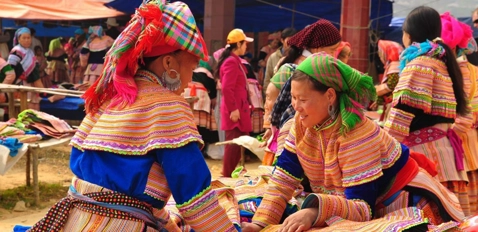
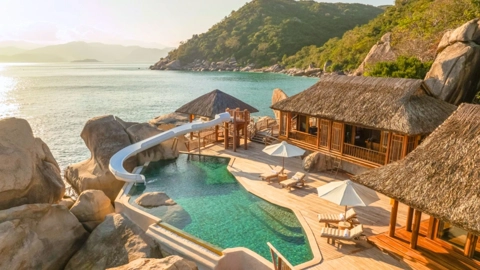


When planning a corporate event in Southeast Asia, MICE in Vietnam vs Thailand is an important comparison for companies, event planners and travel agencies looking for a destination that combines suitable infrastructure, professional services and memorable experiences. Both countries have established international hotel networks, attractive resorts, experienced tourism suppliers and a wide range of cultural and leisure activities. However, their strengths differ in terms of MICE infrastructure, international accessibility, destination diversity and the types of corporate programmes they can accommodate.
Thailand has a more mature MICE industry, supported by Bangkok's extensive convention facilities, international connections and well-developed network of event suppliers. Vietnam, meanwhile, is strengthening its position as a destination for corporate meetings, incentive travel and team-building programmes, particularly for companies interested in combining business activities with cultural discovery, natural landscapes and coastal relaxation. Rather than identifying one country as universally better, the most useful way to approach MICE in Vietnam vs Thailand is to examine how each destination meets different corporate objectives, group profiles, budgets and operational requirements.
1. MICE in Vietnam vs Thailand: Understanding Two Different MICE Markets
Thailand has long been recognised as one of Southeast Asia's established destinations for meetings, incentives, conferences and exhibitions. Bangkok is the country's principal business and event hub, offering large convention facilities, international hotel chains, dedicated meeting spaces and a broad network of professional event suppliers. Its established tourism infrastructure also makes it relatively straightforward to extend a business programme beyond the capital, with destinations such as Phuket, Chiang Mai and Pattaya offering different settings for incentive trips, corporate retreats and team-building activities. This combination of urban facilities and leisure destinations gives Thailand considerable flexibility, particularly for companies organising large international gatherings or programmes with a strong resort and entertainment component.
Vietnam is developing a different but increasingly attractive position in the regional MICE market. Hanoi and Ho Chi Minh City serve as the country's main urban centres for business meetings and corporate events, while Da Nang offers modern hotels and beachfront resorts suitable for conferences, corporate retreats and incentive programmes. Beyond these cities, Ha Long Bay provides a distinctive setting for cruise-based corporate experiences, while Hoi An, Hue and Ninh Binh offer opportunities to incorporate cultural heritage and natural landscapes into an itinerary. Phu Quoc is another attractive option for companies seeking a resort-based programme with time for relaxation and group activities.
The main distinction in the MICE in Vietnam vs Thailand comparison is therefore not simply the number of available hotels or event venues, but the type of experience each country can deliver. Thailand has an advantage in terms of its established MICE ecosystem and large-scale convention infrastructure, especially in Bangkok. Vietnam, on the other hand, is particularly appealing for companies seeking a varied itinerary that combines business activities with local culture, nature and experiences across different regions. Understanding this distinction provides a useful starting point for evaluating the two destinations.
2. MICE in Vietnam vs Thailand: Comparing 8 Essential Criteria
Selecting a destination for a corporate event involves more than comparing hotel prices or identifying the most attractive tourist locations. Companies need to consider international accessibility, event facilities, overall value, destination experiences, climate and the ability to coordinate multiple services. The following comparison examines eight criteria that can help decision-makers assess MICE in Vietnam vs Thailand according to their actual requirements.
| Evaluation criteria | Vietnam | Thailand |
|---|---|---|
| International accessibility | Main gateways include Hanoi and Ho Chi Minh City, with domestic connections to other destinations | Bangkok is a major regional aviation hub with extensive international connections |
| MICE infrastructure | Modern hotels, conference facilities and resort venues, with capacity varying by destination | More established MICE ecosystem, particularly in Bangkok |
| Budget and value | Competitive options across accommodation, transport, catering and local experiences | Broad range of services, from cost-conscious to premium and luxury |
| Destination diversity | Cities, beaches, mountains, heritage sites, rivers and natural landscapes | Major cities, tropical islands, beaches, mountains and cultural destinations |
| Incentive travel | Strong potential for cultural, culinary, nature-based and multi-destination programmes | Strong resort, marine, wellness, entertainment and cultural experiences |
| Culture and gastronomy | Distinct regional identities, traditional cuisine and craft experiences | Internationally recognised cuisine, temples, traditions and cultural activities |
| Climate | Significant differences between northern, central and southern regions | Tropical climate with regional and seasonal variations |
| Logistics and coordination | Multi-destination programmes require careful planning of transfers and suppliers | Mature tourism infrastructure, with Bangkok offering a concentrated event ecosystem |
2.1. International Accessibility and Flight Connections
International accessibility is one of the first considerations when evaluating MICE in Vietnam vs Thailand, particularly for companies bringing together participants from different countries. Thailand has a clear advantage in terms of regional air connectivity, as Bangkok is a major international aviation hub with extensive connections to destinations across Asia, Europe and other parts of the world. This makes the capital a practical meeting point for international corporate groups, especially when participants are travelling from several countries and need to arrive within a relatively short period. Its position as a regional transport centre also makes it convenient to organise programmes that begin in Bangkok before continuing to another destination in Thailand.
Vietnam also offers international gateways, primarily Hanoi and Ho Chi Minh City, both of which receive international flights and provide connections to major domestic destinations. This allows organisers to design programmes around different regions, depending on the group's objectives. A corporate event may begin with meetings in Hanoi before continuing to Ha Long Bay, or take place in Ho Chi Minh City with an extension to the Mekong Delta. Central Vietnam is another possibility, with Da Nang serving as a convenient base for programmes that include Hoi An and Hue. For companies comparing MICE in Vietnam vs Thailand, the choice should therefore take into account not only international flight availability but also the additional travel required after arrival. Routes, schedules and fares should always be checked for the actual departure cities and event dates, as these can change over time.
2.2. MICE Infrastructure and Event Facilities
MICE infrastructure is one of the most significant differences between the two countries. Thailand has a more mature event ecosystem, particularly in Bangkok, where companies can access large convention and exhibition facilities, international hotel chains, extensive meeting spaces and a broad network of professional event production suppliers. These advantages make the capital particularly suitable for international conferences, exhibitions, large corporate meetings and events that require substantial technical resources, multiple breakout rooms or specialised event management services. For organisations prioritising venue capacity and established convention facilities, Bangkok is often a strong candidate in the MICE in Vietnam vs Thailand comparison.
Vietnam has also developed its hotel and event infrastructure, especially in Hanoi, Ho Chi Minh City and Da Nang. Major hotels in these cities offer meeting rooms, ballrooms and conference facilities, while coastal destinations provide resort venues that are well suited to corporate retreats, incentive programmes and private events. However, the capabilities of individual venues vary considerably. A resort in Phu Quoc or Da Nang may offer an excellent environment for a corporate retreat but may not provide the same exhibition capacity or technical facilities as a major convention centre in Bangkok. Similarly, a cruise in Ha Long Bay can create a distinctive setting for networking, private dining and incentive activities, but it should not automatically be considered a substitute for a fully equipped conference venue. Companies should assess each location according to the event format, group size, seating arrangements, audiovisual requirements, connectivity, accessibility and catering standards. In this respect, Thailand is generally better positioned for large-scale conventions, while Vietnam offers attractive alternatives for meetings, smaller conferences, incentive programmes and corporate events built around destination experiences.
2.3. Budget and Overall Value
Budget is often a decisive factor when comparing MICE in Vietnam vs Thailand, but it would be misleading to assume that one country is always cheaper than the other. Both destinations offer a wide range of accommodation, transport, catering and event services, from mid-range options to premium and luxury experiences. The final cost depends on several variables, including the destination, travel season, group size, hotel category, supplier availability, event format and technical requirements. A corporate programme involving a luxury resort, private venue and extensive event production will naturally have a different cost structure from a smaller incentive trip based on local experiences and standard hotel facilities.
Vietnam can offer competitive value for certain corporate programmes, particularly when accommodation, local transport, meals and activities are combined into a well-designed itinerary. Companies may find attractive options for private cultural experiences, regional excursions and resort-based incentive programmes, allowing them to create a varied schedule without necessarily relying on expensive large-scale entertainment or production. Thailand, meanwhile, offers an extensive range of services across different price levels. Bangkok provides a broad selection of hotels and event suppliers, while destinations such as Phuket are particularly attractive for premium resort experiences, although costs can vary considerably according to the location and season.
For a meaningful MICE in Vietnam vs Thailand comparison, companies should evaluate equivalent service standards rather than relying on headline prices. A complete quotation should account for accommodation, meeting facilities, audiovisual equipment, meals, transfers, activities, event production, staffing and on-site coordination. The objective should not simply be to choose the destination with the lowest initial quotation, but to achieve the best balance between budget, service quality, participant experience and operational reliability. A well-coordinated programme with transparent costs can often deliver better overall value than a cheaper proposal that leaves important services or operational requirements unaccounted for.
2.4. Destinations and Experiences
Destination diversity is one of the most appealing aspects of MICE in Vietnam vs Thailand, as both countries allow companies to combine business activities with different landscapes, cultural attractions and leisure experiences. Vietnam offers a particularly varied geographical setting, making it possible to design itineraries that move from major cities to natural landscapes and coastal destinations. Hanoi can serve as a starting point for a programme combining business meetings with cultural visits and gastronomy, before participants continue to Ha Long Bay for a cruise-based incentive experience or to Ninh Binh for boat excursions through limestone landscapes and rural scenery. In central Vietnam, Da Nang provides modern hotels, beachfront resorts and convenient access to Hoi An and Hue, allowing organisers to combine corporate activities with heritage visits, local cuisine and leisure time. In the south, Ho Chi Minh City can be paired with excursions to the Mekong Delta, while Phu Quoc is suitable for companies looking for a resort-oriented incentive programme.
Thailand also offers a broad selection of destinations, each with its own character and MICE potential. Bangkok combines business infrastructure with shopping, gastronomy, cultural attractions and distinctive event venues, making it a natural choice for urban corporate programmes. Phuket is particularly suitable for beach-based incentives and marine activities, while Chiang Mai offers a more cultural and nature-oriented setting through its temples, traditional crafts and surrounding landscapes. Pattaya provides a range of hotels, beaches and entertainment activities within reach of Bangkok, making it another option for companies seeking a resort atmosphere without moving too far from the capital.
The difference lies partly in how these destinations can be combined within one itinerary. Vietnam is particularly appealing for multi-region programmes that bring together contrasting landscapes, historical sites and local experiences, while Thailand offers a well-established selection of city, island and resort destinations, with Bangkok often serving as the central hub. When evaluating MICE in Vietnam vs Thailand, companies should consider the experience they want participants to remember, the time available for travel and the amount of time they wish to dedicate to business activities. Including more destinations does not automatically make a programme more attractive; the itinerary should create a coherent experience without making participants spend too much time in transit.
2.5. Incentive Travel and Team-Building Activities
Incentive travel is an area in which both countries offer considerable potential, although the experiences available are not identical. Vietnam is particularly suitable for programmes built around cultural discovery, nature and interaction with local communities. In Ha Long Bay, companies can organise a private cruise experience with group activities, networking sessions, cocktail receptions or a gala dinner, depending on the vessel's capacity, layout and facilities. In Hoi An, participants can join cooking workshops, explore traditional craft villages or cycle through the surrounding countryside, while Ninh Binh offers boat excursions, cycling routes and outdoor activities amid its limestone landscapes. Further south, the Mekong Delta provides opportunities to discover river-based life and local products, creating a different type of group experience from conventional city or resort activities.
Coastal destinations such as Da Nang and Phu Quoc are also suitable for resort-based incentive programmes, beach activities and team-building sessions. Their combination of accommodation, leisure facilities and local excursions makes it possible to design programmes for different group profiles, from relaxed corporate retreats to more active incentive journeys. Thailand, meanwhile, has strong advantages in resort-based and entertainment-oriented incentive travel. Phuket offers marine excursions, island experiences and beachfront activities, while Chiang Mai is suitable for cultural workshops, nature-based excursions and experiences connected with local traditions. Bangkok provides culinary tours, cultural visits and rooftop dining, whereas Pattaya offers beach and resort activities alongside a broad entertainment scene.
In the MICE in Vietnam vs Thailand comparison, Vietnam is particularly attractive for companies seeking a varied incentive programme that combines culture, nature and local experiences, while Thailand is a strong choice for groups prioritising established resort facilities, marine activities, wellness and entertainment. Nevertheless, the success of an incentive programme depends less on the number of activities available than on how well they match the participants. Their ages, interests, physical abilities, group size and expectations should all influence the selection of activities, as should the company's objective, whether it is to reward employees, strengthen team relationships or encourage interaction between different departments. A balanced schedule should also leave enough time for relaxation and informal communication rather than filling every part of the day with organised activities.
2.6. Local Culture and Gastronomy
Cultural experiences and gastronomy can transform a standard corporate trip into a more memorable incentive programme, making them important considerations in the MICE in Vietnam vs Thailand comparison. Vietnam has a strong regional culinary identity, with each part of the country offering different ingredients, cooking methods and local specialities. In Hanoi, participants can discover traditional northern Vietnamese dishes and explore the city's street food culture, while Hoi An and Hue offer distinctive culinary traditions in central Vietnam. Ho Chi Minh City provides a wider mix of southern Vietnamese cuisine and international influences, reflecting the region's dynamic urban character. Companies can incorporate cooking workshops, local market visits, private dinners, traditional craft demonstrations and cultural performances into their programmes, giving participants opportunities to engage with the destination beyond conventional sightseeing.
Thailand is equally attractive from a cultural and gastronomic perspective. Thai cuisine is internationally recognised for its balance of flavours, and Bangkok offers a wide choice of restaurants, street food experiences and distinctive dining venues. Traditional temples, cultural performances, local markets and craft workshops can also be incorporated into incentive itineraries, while Chiang Mai provides opportunities to explore northern Thai traditions and local craftsmanship. The choice between the two countries therefore depends on the type of cultural experience a company wants to offer. Vietnam may appeal more to groups interested in exploring regional diversity, traditional cuisine and local lifestyles, while Thailand offers a well-established combination of gastronomy, cultural attractions and tourism experiences. In either destination, the most effective approach is to select activities that create genuine engagement with local culture rather than adding visits simply to fill the schedule.
2.7. Climate and the Best Time to Organise a MICE Event
Climate is an essential consideration when planning MICE in Vietnam vs Thailand, particularly when the programme includes cruises, outdoor team building, beach activities or excursions. Vietnam has three main climatic regions, and weather conditions can differ significantly between the north, central region and south. Northern Vietnam experiences distinct seasonal changes, with cooler winters and hot, humid summers. Central Vietnam has its own rainfall patterns, and some coastal areas may experience heavy rain and storms during parts of the year. Southern Vietnam generally has a tropical climate with a dry season and a rainy season. This regional diversity means that the best time to organise a MICE event in Vietnam depends on the destinations included in the itinerary. A programme in Hanoi and Ha Long Bay may require different seasonal considerations from an incentive trip in Da Nang or Phu Quoc.
Thailand also has a tropical climate, with seasonal variations across different regions and coastlines. Bangkok, Chiang Mai and the southern islands do not necessarily experience identical weather conditions, and the suitability of a destination such as Phuket should be assessed according to the season and the specific activities planned. When comparing MICE in Vietnam vs Thailand, companies should avoid relying on a single national weather description or assuming that one country offers consistently better conditions throughout the year. Instead, organisers should evaluate the climate of each destination during the proposed travel dates, paying particular attention to the impact of weather on transport, outdoor activities, cruise operations and event schedules. A well-prepared MICE programme should also include contingency arrangements, such as indoor alternatives and flexible schedules, so that changes in weather do not compromise the overall experience.
2.8. Logistics and Event Coordination
Even an attractive destination with excellent hotels can become challenging if transfers, suppliers and event activities are not coordinated properly. Logistics is therefore one of the most practical criteria in the MICE in Vietnam vs Thailand comparison. Thailand benefits from a mature tourism and MICE infrastructure, particularly in Bangkok, where many hotels, convention facilities and event suppliers are concentrated. This can simplify coordination for events based primarily in the capital, although programmes combining Bangkok with Phuket or Chiang Mai still require careful planning of domestic flights, transfers, luggage arrangements and activity schedules.
Vietnam offers considerable opportunities for multi-destination programmes, but these require particular attention to travel time and the coordination of services across different regions. A Hanoi–Ha Long itinerary, for example, involves road transfers, cruise schedules and coordination between accommodation and onboard activities. A programme combining Da Nang, Hoi An and Hue requires arrangements between hotels, transport providers, venues and local activity suppliers, while longer itineraries involving northern and southern Vietnam may also require domestic flights. For this reason, organisers should evaluate actual travel times rather than relying solely on the distance between destinations. Airport procedures, road conditions, event preparation and participant rest must all be considered when creating the schedule.
In both countries, a local Destination Management Company (DMC) can help coordinate accommodation, transport, venues, catering, activities and event suppliers. This support is particularly valuable when a programme involves several destinations or multiple service providers that must work according to the same schedule. In Vietnam, where companies may wish to combine urban meetings with cruises, cultural excursions and resort stays, the local team's ability to prepare services in advance and monitor their delivery throughout the event is an important part of the overall planning process.
3. MICE in Vietnam vs Thailand: Which Is Better for Incentive Travel?
Although both countries are suitable for incentive travel, their strengths appeal to different corporate priorities. The decision should begin with the purpose of the trip: whether the company wants to reward employees with a relaxing resort experience, encourage team interaction through shared activities, introduce participants to a new culture or combine business objectives with a more comprehensive destination programme. Once these priorities are clear, it becomes easier to determine which country offers the most suitable setting.
When to Choose Vietnam for Incentive Travel
Vietnam is a strong option for companies looking for an incentive programme that combines several elements within one journey. The country's geographical and cultural diversity allows organisers to connect urban experiences, heritage visits, nature-based activities and coastal relaxation without limiting the programme to a single type of environment. A trip can begin in Hanoi with a welcome dinner and cultural activities, continue with an incentive cruise in Ha Long Bay and include additional experiences in Ninh Binh. Alternatively, companies can choose central Vietnam, combining a resort stay in Da Nang with heritage visits in Hoi An and Hue. These combinations provide opportunities to create a programme that feels distinctive while maintaining a balance between organised activities and leisure time.
Vietnam is particularly suitable when the objective is to offer participants something beyond a conventional resort holiday. Cooking workshops, traditional craft activities, cycling excursions, river experiences and private cultural visits can create opportunities for interaction and shared discovery, while the country's varied landscapes provide a natural setting for group activities. For companies comparing MICE in Vietnam vs Thailand, Vietnam is worth considering when the incentive programme should be destination-focused, culturally engaging and varied in terms of experiences. The itinerary should nevertheless be designed around realistic travel times and the group's available schedule, rather than attempting to include too many regions in a limited number of days.
When to Choose Thailand for Incentive Travel
Thailand is an excellent option for companies prioritising established resort facilities, a broad selection of leisure activities and a well-developed tourism service network. Phuket is suitable for beach-based incentive programmes, island excursions and marine activities, while Chiang Mai offers a more cultural and nature-oriented experience through its temples, traditional workshops and surrounding landscapes. Bangkok provides a lively urban setting with restaurants, rooftop venues, shopping and cultural attractions, and Pattaya offers a combination of beach, resort and entertainment experiences.
Thailand may be particularly convenient for groups that want to combine a major city with a resort destination, supported by an established network of hotels and tourism suppliers. Its range of destinations also allows companies to adapt the programme to different levels of activity and comfort. In the MICE in Vietnam vs Thailand comparison, Thailand is a strong choice when the main objective is a resort-oriented incentive trip with a broad selection of leisure, marine and entertainment experiences, or when the event requires the established infrastructure of Bangkok before participants continue to a leisure destination.
What Makes an Incentive Programme Successful?
Regardless of the country, a successful incentive programme requires a clear concept and careful coordination between the company's objectives and participants' expectations. The group profile, desired level of exclusivity, activity preferences, available budget and time for travel should all influence the programme design. An itinerary that includes too many activities can become tiring and leave little room for informal interaction, while a programme with insufficient structure may fail to create the shared experiences that make incentive travel valuable. The most effective approach is to select a limited number of meaningful activities, allow participants time to enjoy the destination and ensure that every service is prepared to the expected standard. This is ultimately more important than choosing a destination simply because it offers the largest number of attractions.
4. Which Destination Should You Choose for Your Corporate Event?
The most suitable destination in the MICE in Vietnam vs Thailand comparison depends on the type of event, the number of participants and the facilities required. A large international conference has very different needs from a small executive retreat or an incentive journey focused on cultural discovery. The following overview can help companies identify an initial direction before assessing individual hotels, venues and service providers.
| Corporate objective | Recommended destination | Main consideration |
|---|---|---|
| Large international conferences and exhibitions | Bangkok | Extensive convention and exhibition infrastructure |
| Business meetings and corporate gatherings | Bangkok, Hanoi or Ho Chi Minh City | Hotel meeting facilities and urban business services |
| Premium beach incentive programme | Phuket or Phu Quoc | Resort quality, beach activities and event facilities |
| Cultural incentive programme | Vietnam or Chiang Mai | Heritage, gastronomy and local experiences |
| Nature-based team building | Ninh Binh or Chiang Mai | Outdoor activities and natural landscapes |
| Cruise-based incentive experience | Ha Long Bay | Private cruise facilities, capacity and onboard event arrangements |
| Resort-based corporate retreat | Phuket, Da Nang or Phu Quoc | Accommodation, meeting spaces and leisure facilities |
| Multi-destination cultural journey | Vietnam | Opportunities to combine different regions and experiences |
| Urban activities, gastronomy and networking | Bangkok or Ho Chi Minh City | Restaurants, cultural attractions and corporate venues |
| Beach resort combined with cultural visits | Da Nang and Hoi An or Phuket with local excursions | Balance between relaxation and destination experiences |
This comparison should be treated as a starting point rather than a fixed ranking, since the suitability of each destination depends on venue capacity, travel dates, available services and the operational requirements of the event. Bangkok, for example, may be the more practical choice for a large international conference requiring extensive exhibition facilities, multiple meeting rooms and technical support. However, if the objective is to reward employees with a journey combining cultural discovery, a Ha Long cruise and nature-based activities, Vietnam may offer a more suitable programme. Similarly, Phu Quoc and Phuket are both attractive for premium beach incentives, but the final decision should take into account resort standards, flight connections, event facilities, activities and budget.
The most effective way to approach MICE in Vietnam vs Thailand is therefore to begin with the company's objectives and work backwards towards the destination, venue and programme. This helps avoid choosing a location solely for its popularity and ensures that the selected services can genuinely support the event.
5. Why Local DMC Support Matters When Organising MICE in Vietnam
Choosing the right destination is only the first step in organising a successful corporate event. The quality of the experience also depends on how well services are selected, prepared, coordinated and managed throughout the programme. This is particularly important when organising MICE in Vietnam, where an itinerary may involve several destinations, different types of venues and multiple local suppliers. A local Destination Management Company (DMC) can provide the destination knowledge and operational support needed to bring these elements together, from the initial programme design to on-site management.
One of the main advantages of working with a local DMC is its understanding of the practical characteristics of each destination. This includes travel times, venue capabilities, seasonal conditions, supplier availability and the specific requirements of corporate groups. A cruise in Ha Long Bay, for example, may be an excellent setting for an incentive programme, but the vessel must be assessed according to its capacity, layout, privacy, catering arrangements and technical facilities. Similarly, a resort in Da Nang may provide an attractive environment for a corporate retreat, but its meeting rooms, audiovisual equipment and service standards should be checked against the event's actual requirements. Local knowledge helps companies make informed decisions before committing to a venue or service.
A DMC also plays an important role in designing a programme that reflects the group's objectives rather than simply adapting a standard tourist itinerary. Group size, participant profile, budget, event purpose and preferred activities all influence the final structure. A well-designed programme should balance meetings, team building, cultural experiences, meals and free time, while taking into account the practical time needed to move between locations. This is especially relevant for companies choosing Vietnam, where the combination of major cities, coastal resorts, heritage destinations and natural landscapes creates many possibilities but also requires careful itinerary planning.
The preparation and coordination of suppliers are equally important. A MICE programme may involve hotels, restaurants, transport companies, cruise operators, event venues, technical teams, guides and activity providers, all of whom need to understand the schedule and their respective responsibilities. Before participants arrive, the local team should confirm service details, inspect relevant venues when necessary, check event layouts and technical requirements, coordinate menus and dietary needs, and ensure that transport arrangements are realistic. During the event, the on-site team monitors service delivery, communicates with suppliers, follows the schedule and responds to unexpected situations such as traffic delays, weather changes, technical problems or last-minute adjustments. This continuity of management helps reduce pressure on the company's organisers and maintain the quality of the participant experience.
When evaluating MICE in Vietnam vs Thailand, companies should therefore consider not only the destination itself but also the quality of the local partner responsible for delivering the programme. Each country requires a DMC or local event partner with relevant destination knowledge and a reliable supplier network. For events in Vietnam, working with a local DMC that understands the different regions and can coordinate services on the ground is particularly valuable, especially when the programme combines several destinations or requires specialised incentive experiences.
6. Organising Your Next MICE Event in Vietnam with Vietnam Original Travel
For companies considering Vietnam as their next MICE destination, working with a local DMC can simplify the planning process and help ensure that each part of the programme is properly coordinated. Vietnam Original Travel supports international companies, travel agencies and event planners in designing and organising tailor-made MICE programmes across the country, with attention to the group's objectives, schedule, budget and operational requirements. Rather than applying the same itinerary to every corporate group, the team can help identify suitable destinations, accommodation, venues and activities according to the intended event format.
Depending on the programme concept, a corporate journey may include business meetings in Hanoi or Ho Chi Minh City, an incentive cruise in Ha Long Bay, resort-based activities in Da Nang or Phu Quoc, cultural experiences in Hoi An and Hue, or nature-based excursions in Ninh Binh. These destinations can be combined in different ways, provided that the travel schedule and event requirements allow sufficient time for transfers, activities and rest. The planning process also takes into account practical details such as meeting facilities, transportation, catering, event setup, supplier coordination and on-site assistance, helping ensure that the selected services are suitable for the group's actual needs.
Whether a company is planning a conference, incentive trip, corporate retreat or team-building programme, Vietnam Original Travel can support the development of a coherent itinerary and coordinate the local services required for its delivery. For businesses comparing MICE in Vietnam vs Thailand and considering Vietnam as their preferred destination, a local partner can help turn the country's geographical and cultural diversity into a well-organised corporate experience.
Conclusion: MICE in Vietnam vs Thailand – Which Destination Is Right for Your Company?
The comparison of MICE in Vietnam vs Thailand does not lead to one universal winner, as both countries offer valuable opportunities for corporate events but serve different priorities. Thailand has a more established MICE ecosystem, particularly in Bangkok, making it a strong choice for large conferences, exhibitions and corporate events that require extensive event infrastructure. Its resort destinations, especially Phuket and Chiang Mai, also provide a broad selection of incentive, leisure and cultural experiences supported by a mature tourism service network.
Vietnam is an attractive option for companies seeking a more varied corporate journey, combining meetings and incentive activities with cultural discovery, natural landscapes, gastronomy and coastal relaxation. Destinations such as Hanoi, Ha Long Bay, Da Nang, Hoi An, Ninh Binh and Phu Quoc allow organisers to develop programmes with different themes, from business-focused events and cruise incentives to resort retreats and multi-destination cultural journeys. Its appeal lies not in replacing Thailand's strengths in every area, but in offering a distinctive combination of experiences that can be tailored to different corporate objectives.
Ultimately, choosing between MICE in Vietnam vs Thailand means identifying which destination best matches the company's goals, group profile, budget, event scale and available time. Once the destination has been selected, careful preparation, reliable suppliers and effective on-site coordination will determine the quality of the final experience. For companies interested in organising their next corporate event in Vietnam, Vietnam Original Travel can provide local destination knowledge and support in designing and coordinating a tailor-made MICE programme.
You may also be interested in these articles:


