



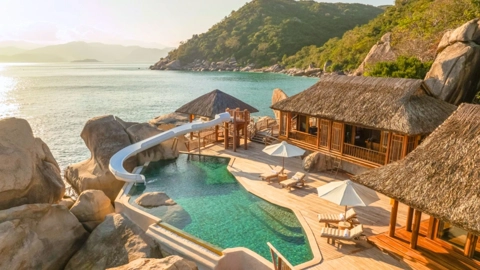


Vietnam has become an attractive destination for international companies, incentive travel agencies and event planners looking to organise meetings, incentive trips, conferences and corporate events in Southeast Asia. With its diverse destinations, improving hospitality infrastructure, competitive service options and rich cultural experiences, the country offers considerable flexibility for different types of MICE programmes.
However, successful MICE event planning in Vietnam involves much more than choosing an attractive destination and booking a hotel. Every programme requires careful preparation, from defining corporate objectives and selecting suitable venues to coordinating transportation, managing suppliers and supervising services on-site. Even a well-designed itinerary can encounter difficulties if these operational elements are not properly managed.
Whether you are a company organising a corporate trip for employees and business partners or an international agency searching for a reliable local partner, understanding the planning process and evaluation criteria is essential. This guide explores the practical considerations that can help you organise a successful MICE event in Vietnam and assess the quality of the destinations, services and local partners involved.
1. Define Your MICE Objectives Before Planning the Programme
The first step in MICE event planning in Vietnam is to establish what the company wants to achieve. Although meetings, incentives, conferences and exhibitions are often grouped under the same MICE category, each format has different requirements in terms of infrastructure, activities, scheduling and service delivery.
A corporate meeting or conference may require a professional venue with suitable seating arrangements, audiovisual equipment, stable Internet access and technical support. An incentive trip, on the other hand, places greater emphasis on memorable experiences, accommodation quality, leisure activities and opportunities for team bonding. Exhibitions and larger corporate events may involve additional requirements, including exhibition space, event production, registration facilities and coordination with multiple service providers.
Before choosing a destination or requesting quotations, organisers should clarify several important points: the main purpose of the programme, the number and profile of participants, the expected level of service, the available budget and the total time available for the trip.
The participants' profiles also matter. A programme designed for senior executives may require a different pace and accommodation standard from a team-building trip for a younger workforce. Similarly, international participants may have specific dietary, cultural or accessibility requirements that need to be considered from the beginning.
A clear understanding of these objectives makes it easier to evaluate destinations and suppliers and prevents organisers from spending money on services that do not contribute to the programme's actual purpose.
2. Choose the Right MICE Destination in Vietnam
Destination selection is one of the most important decisions in MICE event planning in Vietnam. The country offers a wide range of settings, from major urban centres and coastal resorts to heritage towns and natural landscapes. However, not every destination is suitable for every type of corporate event.
The best choice depends on the programme's objectives, group size, travel schedule, venue requirements and the experiences organisers want participants to enjoy.
Hanoi: A Business and Cultural Gateway to Northern Vietnam
Hanoi is a practical starting point for MICE programmes in northern Vietnam. The capital offers a combination of hotels, meeting facilities, restaurants and cultural attractions, making it suitable for corporate meetings, conferences and incentive itineraries.
Participants can combine business activities with visits to the Old Quarter, traditional craft areas and local cultural sites. Hanoi also provides convenient access to destinations such as Ha Long Bay and Ninh Binh, allowing organisers to create programmes that combine professional activities with experiences outside the city.
Ha Long Bay: An Exceptional Setting for Incentive Travel
Ha Long Bay is particularly attractive for incentive programmes and corporate events that aim to create memorable shared experiences. An overnight cruise offers opportunities for networking, private dinners, cocktail receptions, group activities and gala dinners in a distinctive natural setting.
Nevertheless, organisers should not assume that every tourist cruise is suitable for corporate events. The vessel's capacity, private spaces, dining arrangements, technical facilities, service standards and event layout must be assessed in advance. Formal conferences may still require a dedicated meeting venue on land or in a hotel before or after the cruise.
Ho Chi Minh City: A Major Hub for Corporate Events
Ho Chi Minh City is one of Vietnam's main commercial centres and a strong option for conferences, business meetings, corporate events and exhibitions. The city offers a broad selection of hotels, event venues, restaurants and professional service providers.
It is also suitable for programmes that combine business activities with urban experiences, including culinary events, cultural visits and networking activities. However, traffic conditions and transfer times should be carefully considered when arranging a schedule, particularly for larger groups moving between different venues.
Da Nang: A Versatile Destination for Meetings and Incentives
Da Nang combines coastal resorts, hotels, meeting facilities and convenient access to cultural attractions in central Vietnam. Its beachside setting makes it suitable for corporate retreats, incentive trips, team-building programmes and gala dinners.
The city can also serve as a base for visits to Hoi An and Hue, offering opportunities to incorporate heritage and cultural experiences into a corporate itinerary. For organisers seeking a balance between business facilities and leisure activities, Da Nang is a versatile option.
Phu Quoc: A Resort Destination for Premium Incentive Programmes
Phu Quoc is well suited to incentive travel and corporate retreats that prioritise resort experiences, relaxation and group activities. Its beach resorts provide settings for private events, outdoor dining, team-building activities and leisure programmes.
When considering Phu Quoc, organisers should evaluate flight connections, transfer arrangements, resort facilities and the availability of suitable indoor alternatives during unfavourable weather.
Hoi An, Hue, Ninh Binh and Sa Pa: Destinations for Distinctive Experiences
Other destinations can add cultural or natural value to a MICE programme, particularly when the objective is to create a more distinctive incentive experience.
Hoi An offers heritage architecture, traditional crafts and atmospheric settings for private dinners and cultural activities. Hue is suitable for programmes focused on history, heritage and refined cultural experiences. Ninh Binh provides a landscape of limestone mountains, rivers and countryside that can support nature-based excursions and outdoor activities. Sa Pa offers mountain scenery and opportunities for trekking and community-based experiences, although its terrain and travel time require careful consideration.
These destinations may not offer the same scale of conference infrastructure as major urban centres. They are therefore often more suitable as complementary experiences within an incentive programme than as the main venue for a large formal conference.
3. Evaluate Venues, Hotels and Event Facilities Carefully
A suitable venue is not necessarily the most luxurious or visually impressive one. For successful MICE event planning in Vietnam, organisers must assess whether the facilities can genuinely support the programme's requirements.
Before confirming a hotel, convention centre, restaurant, cruise or private event space, it is important to examine its operational capabilities rather than relying solely on photographs, promotional descriptions or general ratings.
Several factors deserve particular attention.
Capacity and layout: The venue must accommodate the expected number of participants while allowing sufficient space for the planned activities. Theatre-style seating, classroom layouts, boardroom arrangements and banquet setups have different spatial requirements. Organisers should also consider registration areas, networking spaces, stage positioning and circulation between different sections.
Technical facilities: Meetings and conferences may require projectors, LED screens, microphones, sound systems, lighting equipment, presentation facilities and stable Internet access. Technical support should be available during the event, especially when presentations, live streaming or simultaneous interpretation are involved.
Accommodation standards: For multi-day programmes, room quality, service consistency, breakfast arrangements, check-in procedures and group accommodation capacity all influence the participant experience. The hotel should also be able to manage group requirements without creating unnecessary waiting times.
Food and beverage services: Menus should reflect the participants' preferences and dietary requirements. Vegetarian, vegan, halal, allergy-sensitive and other special meal requests should be communicated and confirmed in advance. For gala dinners and private receptions, organisers should check the quality of catering, service arrangements and event presentation.
Privacy and flexibility: Some corporate events require exclusive use of a meeting room, restaurant or event area. Organisers should confirm whether the venue can provide private spaces and adapt its services to the programme's schedule.
A site inspection is highly recommended for important events. It allows organisers or their local DMC to verify the actual facilities, assess service quality and identify potential limitations before making a final decision.
4. Plan Transportation and Logistics in Advance
Transportation is one of the most underestimated aspects of MICE event planning in Vietnam. A destination may appear close on a map, but actual travel times can vary considerably depending on traffic, road conditions, transfer arrangements and the time of day.
For corporate groups, inefficient transportation can disrupt the entire programme. Delayed arrivals may affect meeting schedules, reduce time for activities and create unnecessary pressure on participants.
A reliable transportation plan should consider the following elements:
-
Airport transfers: Arrange appropriate vehicles according to group size, arrival times and luggage requirements. For large groups, separate transfer schedules may be more practical than moving everyone simultaneously.
-
Intercity transfers: Evaluate actual journey times between destinations and avoid combining too many locations within a short programme.
-
Local transportation: Select vehicles with suitable capacity and comfort levels, taking into account the distance and duration of each transfer.
-
Group coordination: Prepare passenger lists, meeting points, departure times and contact information for the people responsible for each transfer.
-
Schedule management: Allow sufficient time for boarding, check-in, meals, rest periods and unexpected delays.
It is also important to coordinate transportation with hotels, venues and activity providers. For example, a gala dinner that finishes late in the evening requires suitable return transfers, while an early-morning conference may require breakfast arrangements and vehicle departures to be adjusted accordingly.
For international groups unfamiliar with Vietnam, having a local coordination team available can make transportation considerably easier to manage.
5. Design a Balanced MICE Programme
An effective MICE programme should provide the right balance between professional activities, shared experiences and personal time. One common planning mistake is to include too many activities in an attempt to maximise the value of the trip.
In reality, an overloaded schedule can make participants feel tired and reduce their engagement. A successful programme should have a clear purpose while allowing enough flexibility for participants to enjoy the destination.
Meetings and Conferences
Professional activities should be scheduled according to the main objectives of the event. Organisers need to consider the duration of sessions, room arrangements, technical requirements, breaks and catering services.
If the programme involves participants from different countries, language requirements and presentation formats should also be considered.
Incentive Activities
Incentive travel should offer experiences that participants find rewarding and memorable. Depending on the destination, these may include private cruises, culinary experiences, cultural workshops, nature excursions or exclusive dining events.
The activities should reflect the company's objectives and the participants' interests rather than simply following the most popular tourist itinerary.
Team Building
Team-building activities can strengthen communication, cooperation and relationships among colleagues. However, their design should be appropriate for the group's age, physical condition, cultural background and overall energy level.
For example, outdoor challenges may work well for an active group, while a culinary workshop or cultural activity may be more suitable for a mixed-age corporate delegation.
Gala Dinner and Networking
A gala dinner is often one of the highlights of a corporate incentive programme. Beyond the meal itself, it provides an opportunity for recognition, celebration, networking and informal interaction.
The venue, menu, entertainment, lighting, sound system and event schedule should be planned as a coordinated experience. Whether held in a hotel ballroom, a private restaurant, a beachside setting or aboard a cruise, the event should match the company's identity and the atmosphere it wants to create.
Free Time and Personal Experiences
Free time should not be treated as unused space in the itinerary. It gives participants an opportunity to rest, explore independently and enjoy the destination at their own pace.
A well-designed programme does not need to fill every hour. Allowing sufficient personal time is often a sign of thoughtful planning, particularly for international groups travelling long distances.
6. Assess Suppliers and Service Quality Before Making a Commitment
The quality of a MICE event depends heavily on the suppliers involved. Hotels, transportation companies, restaurants, cruise operators, event production teams and activity providers all contribute to the final experience.
Choosing suppliers based only on the lowest quotation can create problems later, especially when the event involves multiple services that must operate according to a coordinated schedule.
When evaluating suppliers in Vietnam, organisers should consider several criteria.
Relevant experience: Has the supplier previously worked with international corporate groups? Does it understand the expectations and service standards of business travellers and event participants?
Service consistency: Can the supplier maintain the expected quality throughout the programme, including during busy periods or when handling large groups?
Operational capacity: Does it have sufficient staff, equipment and resources to deliver the requested services? Can it manage changes in group size or schedule?
Transparency: Are quotations clear about what is included and excluded? Are additional costs, cancellation conditions, payment schedules and other contractual terms explained in advance?
Communication: Can the supplier respond promptly, understand specific requirements and coordinate effectively with other service providers?
Problem-solving ability: How does the supplier handle unexpected changes, complaints or operational difficulties?
Whenever possible, organisers should request detailed service descriptions, review previous event experience and arrange site inspections for important venues. References from previous clients may also help assess reliability.
A competitive quotation is valuable only when the services included can meet the programme's requirements. Comparing suppliers on a like-for-like basis is therefore essential.
7. Prepare for Weather Conditions and Unexpected Situations
Weather, transportation changes and technical issues can affect MICE programmes in any destination. In Vietnam, these considerations are particularly important because the country has different climatic conditions across its northern, central and southern regions.
An outdoor activity in central Vietnam may face different seasonal conditions from a programme in northern Vietnam or on a southern island. Similarly, cruise operations and outdoor events may be affected by weather conditions, requiring schedule adjustments or alternative arrangements.
Before confirming the programme, organisers should consider the following potential risks:
-
Weather disruptions: Rain, strong winds or unfavourable sea conditions may affect cruises, beach activities and outdoor team building.
-
Flight delays: Changes to international or domestic flight schedules may affect airport transfers and subsequent activities.
-
Traffic congestion: Urban traffic can cause delays, particularly when several venues are included in one day.
-
Technical problems: Audio, lighting, presentation equipment or Internet connections may not function as expected.
-
Supplier-related issues: A service provider may fail to deliver the agreed arrangements or may be unable to accommodate last-minute changes.
-
Participant requirements: Health concerns, dietary restrictions or unexpected changes in attendance may require adjustments.
A practical contingency plan should identify possible risks, the person responsible for handling each situation and the alternative arrangements available.
For example, an outdoor team-building activity should have an indoor alternative where possible. A gala dinner planned on a beach or cruise deck may require an alternative event space. For programmes involving overnight cruises, organisers should remain attentive to operational updates and follow the cruise operator's safety decisions.
The objective is not to eliminate every possible risk, which is rarely realistic, but to ensure that the programme can adapt without compromising participant safety or the overall experience.
8. Key Criteria for Evaluating a MICE Programme in Vietnam
Before confirming a destination, signing supplier contracts or approving a final itinerary, organisers should evaluate the entire programme using a consistent set of criteria.
The following framework can help companies, event planners and international agencies compare different proposals and identify potential weaknesses before implementation.
| Evaluation criteria | What should be assessed? |
|---|---|
| Destination suitability | Does the destination match the event objectives, group profile and programme format? |
| Accessibility | Are international and domestic connections convenient? Are local transfers manageable? |
| Venue quality | Can the venues accommodate the group and meet technical, operational and privacy requirements? |
| Accommodation standards | Are the hotels suitable in terms of comfort, service, capacity and location? |
| Programme design | Is the balance between business activities, incentive experiences and free time appropriate? |
| Supplier reliability | Do the selected suppliers have relevant experience, sufficient resources and consistent service standards? |
| Operational coordination | Is there a clear plan for managing transportation, schedules, suppliers and on-site activities? |
| Budget efficiency | Does the proposed budget provide appropriate value, with transparent costs and clearly defined inclusions? |
| Risk management | Are realistic contingency plans available for weather, delays and operational disruptions? |
How to Apply These Evaluation Criteria
These criteria should not be considered independently. A destination may score highly in terms of scenery and accommodation but still be unsuitable if access is difficult or the available venues cannot support the event format.
Similarly, a proposal with an attractive price may not offer good value if essential technical equipment, transportation services or on-site coordination are excluded.
Organisers can use a simple scoring system, such as rating each criterion from 1 to 5, to compare shortlisted destinations or supplier proposals. However, certain requirements should be treated as essential rather than interchangeable. Safety, technical suitability, adequate accommodation and reliable operational support should not be compromised simply to reduce the budget.
It is also useful to distinguish between what is promised in a proposal and what has actually been verified. Venue inspections, supplier confirmation and detailed service agreements provide a more reliable basis for decision-making than promotional descriptions alone.
9. Why Choosing the Right Local DMC Matters
A local Destination Management Company (DMC) plays a central role in MICE event planning in Vietnam, particularly when the organising company or international agency is based overseas.
Although companies can book hotels, transportation and activities directly, managing multiple local suppliers from abroad can be complicated. Differences in communication, service expectations, local operating conditions and coordination procedures may create additional challenges.
A professional DMC acts as the local partner responsible for bringing the different elements of the programme together.
Before the Event: Planning and Preparation
The preparation stage is essential because many operational problems can be prevented before participants arrive.
A capable local DMC should be able to:
-
Understand the company's objectives, budget and participant profile.
-
Recommend destinations and venues according to the programme's requirements.
-
Conduct site inspections and assess supplier capabilities.
-
Coordinate accommodation, transportation, restaurants and activities.
-
Prepare event schedules, technical requirements and service arrangements.
-
Confirm menus, dietary needs and special requests.
-
Establish contingency plans for potential disruptions.
The purpose is to ensure that the proposed programme is operationally realistic, not simply attractive on paper.
During the Event: On-Site Coordination and Quality Control
Even with careful preparation, successful execution requires continuous supervision.
The local team should monitor supplier performance, coordinate transportation, manage schedules and maintain communication with the different service providers. If an unexpected issue occurs, the team can assess the situation and work with the relevant suppliers to find an appropriate solution.
For larger groups or programmes involving multiple destinations, having dedicated on-site coordinators is particularly important. It helps ensure that participants receive consistent support and that the organising company or agency has a clear point of contact throughout the event.
After the Event: Evaluation and Follow-Up
The work of a DMC does not necessarily end when the participants depart. A post-event review can help identify what worked well, evaluate supplier performance and highlight areas for improvement.
For agencies and companies that organise MICE programmes regularly, this feedback is valuable when planning future events and building long-term supplier relationships.
Ultimately, the role of a local DMC goes beyond booking services. Its real value lies in understanding local conditions, selecting suitable partners, coordinating the entire programme and taking responsibility for operational quality on the ground.
10. Planning a Successful MICE Event in Vietnam with Vietnam Original Travel
Choosing Vietnam as a MICE destination is only the beginning. To create a successful programme, companies and international agencies need a local partner who understands both the country's destinations and the operational requirements of corporate events.
As a local Destination Management Company, Vietnam Original Travel supports international companies, travel agencies, tour operators and event planners in designing and coordinating tailor-made MICE programmes across Vietnam.
Our approach begins with understanding the purpose of the event, the participant profile, the available budget and the expected level of service. Based on these requirements, we help identify suitable destinations, accommodation, venues and activities, then coordinate the different services into a coherent programme.
Whether the objective is to organise a corporate meeting in Hanoi, an incentive cruise in Ha Long Bay, a team-building programme in Da Nang or a multi-destination corporate journey, local knowledge and careful preparation are essential to making the programme work in practice.
Our role includes destination recommendations, supplier coordination, transportation arrangements, accommodation, event logistics, activity planning and on-site support. Particular attention is given to checking service suitability before the event and monitoring delivery throughout the programme.
For international partners, working with a local DMC also provides a practical point of contact in Vietnam, helping simplify communication and coordination across multiple suppliers.
Conclusion
Successful MICE event planning in Vietnam requires a combination of strategic decisions and detailed operational preparation. Choosing the right destination, evaluating venues, selecting reliable suppliers, designing a balanced programme and preparing for unexpected situations are all essential to delivering a positive experience.
However, the quality of a MICE programme is not determined by the destination alone. Even the most attractive location can fall short of expectations if services are poorly coordinated or operational details are overlooked.
For companies and international agencies, working with a reliable local DMC can make a significant difference. With the right local expertise, preparation and on-site coordination, Vietnam offers a wide range of possibilities for meetings, incentive travel, conferences and corporate events.
You may also be interested in these articles:


