


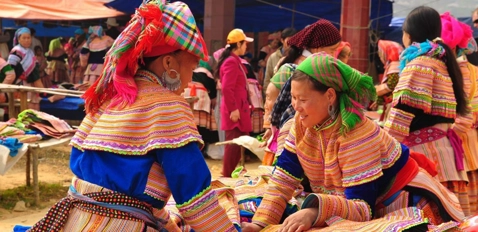
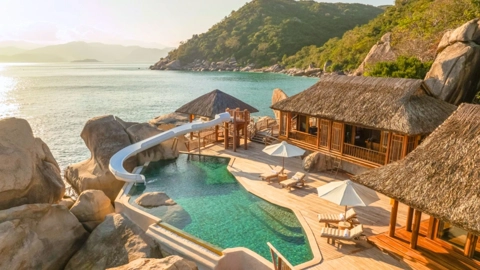


A Mekong River Cruise for MICE offers a distinctive way to experience Southeast Asia, combining luxury accommodation, cultural discovery and cross-border travel between Vietnam and Cambodia. Rather than organising a conventional incentive programme based around a single hotel or resort, companies can invite their employees, partners or important clients on a journey along one of Asia's most fascinating rivers. From the fertile landscapes and traditional communities of the Mekong Delta to the historic streets of Phnom Penh, every stage of the cruise introduces a different perspective on local life, cuisine and culture.
For corporate groups seeking something more exclusive than a standard sightseeing tour, a luxury Mekong River cruise creates an experience in which the journey itself becomes the main attraction. Guests can enjoy comfortable cabins, fine dining, relaxing moments on deck and carefully selected excursions along the river, while shared activities encourage interaction and create lasting memories. The programme can also be extended with land tours in Ho Chi Minh City, the Mekong Delta, Phnom Penh or Siem Reap, allowing companies to design a more comprehensive incentive travel experience in Vietnam and Cambodia.
1. Why Choose a Mekong River Cruise for MICE?
A Mekong River Cruise for MICE stands out because it combines several elements that are not always easy to bring together in a traditional corporate programme. The river provides a constantly changing backdrop, while the cruise ship offers a comfortable and intimate environment in which participants can relax, socialise and discover the region at a more leisurely pace. Instead of repeatedly changing hotels and travelling long distances by road, guests can enjoy a continuous journey with accommodation, meals and selected activities arranged on board.
This format is particularly suitable for incentive travel, executive retreats and corporate reward programmes designed to recognise employees, strengthen business relationships or offer an exclusive experience to valued partners. A sunset reception on the deck, a private gathering in the lounge or a shared culinary activity can create opportunities for informal networking without the rigid structure of a conventional conference. The atmosphere is generally more relaxed, allowing participants to connect naturally while enjoying the landscapes and hospitality of the Mekong region.
Another important advantage is the cultural dimension of the journey. The Mekong Delta is not simply a scenic river destination; it is a living landscape shaped by agriculture, traditional crafts, waterways and communities whose daily activities remain closely connected to the river. A well-designed incentive programme allows guests to experience these aspects through guided visits and interactive activities rather than limiting the itinerary to panoramic views. Continuing into Cambodia adds another cultural perspective, making the Mekong River Cruise for MICE an appealing option for companies looking to offer a multi-country experience within one programme.
2. Discovering the Mekong Delta: Cultural Experiences Along the River
The Vietnamese section of a Mekong River Cruise for MICE introduces guests to the character of the Mekong Delta, where small islands, orchards, traditional workshops and riverside towns reveal a different rhythm of life from the country's major cities. Excursions are generally organised by local boat or road transport, depending on the location, allowing participants to leave the main vessel and explore places that larger ships cannot reach directly.
Tan Phong Island and Cai Be: Local Crafts and Tropical Gardens
Tan Phong Island, located in the Mekong Delta near Cai Be, offers an authentic introduction to rural life along the river. Guests can visit local workshops to observe the production of traditional Vietnamese products such as rice paper, rice crackers, rice wine and coconut candy. These activities provide an opportunity to understand the manual techniques and local ingredients behind familiar regional specialties, while demonstrating how traditional production remains part of everyday economic life.
The experience can continue with a visit to a family-run fruit garden, where participants can taste seasonal tropical fruits and learn more about local cultivation. Another interesting stop may introduce the traditional craft of weaving water hyacinth into decorative objects and practical handicrafts. These encounters offer a more personal perspective on the Mekong Delta and can be particularly engaging for international incentive groups interested in local culture and craftsmanship.
For companies wishing to include more interactive experiences, the programme may incorporate a culinary workshop with a local family. Depending on the cruise operator and available excursions, participants might learn to prepare traditional cakes using regional ingredients, gaining practical insight into local cooking methods before tasting their creations. Cycling is another possible activity on Tan Phong Island, where relatively flat paths pass through fruit orchards, small canals and local neighbourhoods. These experiences can add variety to a Mekong River Cruise for MICE, although the final selection should take into account the group's interests, mobility and schedule.
Sa Dec: Colonial Heritage, Local Markets and Flower Gardens
Further along the river, Sa Dec offers a combination of cultural heritage and everyday Mekong Delta life. The town is known for its flower-growing tradition, lively local market and architectural influences from different periods of Vietnamese history. A visit to the central market introduces guests to the region's agricultural abundance, with fresh produce, seafood and local specialties reflecting the importance of trade and farming in the delta.
One of the most distinctive cultural stops is the ancient house of Huynh Thuy Le, associated with the story behind The Lover by French writer Marguerite Duras. The house reflects a blend of French and Chinese architectural influences and offers an interesting connection between local history and international literature. The visit can be complemented by a stop at Kien An Cung Pagoda, a historic Chinese temple recognised for its elaborate decorative details and distinctive architecture.
Depending on the season and the selected excursion, Sa Dec Flower Village can also be included in the itinerary. Its nurseries and family-run gardens provide an opportunity to discover the horticultural traditions of the region. For active groups, cycling around the town and its surrounding gardens offers an alternative to a conventional walking tour. Combining these stops creates a varied cultural experience that brings more depth to the Vietnamese section of a Mekong River Cruise for MICE.
Gieng Island: Traditional Workshops and Rural Life
Gieng Island, sometimes known as Mango Island, provides another opportunity to discover the communities living along the Mekong. The island is characterised by mango orchards, quiet paths and traditional family businesses, offering a peaceful setting for a half-day excursion. Guests can visit a small incense workshop to observe how incense sticks are made by hand, or discover a traditional boat-building workshop where wooden vessels are constructed using techniques passed down through generations.
A visit to a local home, accompanied by fresh mangoes and tea, offers a more intimate perspective on daily life in the delta. The experience is simple but memorable, particularly for visitors who appreciate direct interaction with local communities. Depending on the cruise programme, cycling through the island's orchards and rural paths may also be available.
For incentive groups, these visits can be more meaningful than simply stopping at a famous attraction. They create opportunities to learn about local livelihoods, traditional skills and the relationship between people and the river. A carefully coordinated Mekong River Cruise for MICE can incorporate these encounters while ensuring that visits are respectful, appropriately timed and suitable for the group.
3. From Vietnam to Cambodia: A Cross-Border Journey to Phnom Penh
One of the most distinctive aspects of a Mekong River Cruise for MICE is the opportunity to connect Vietnam and Cambodia through a single river journey. After exploring the Mekong Delta, the vessel continues upstream towards the international border before sailing onwards to Phnom Penh. This transition gives participants the opportunity to experience two neighbouring countries through their shared relationship with the Mekong, while observing changes in landscapes, settlements and cultural influences along the way.
The time spent sailing is an essential part of the experience rather than simply a transfer between destinations. Guests can enjoy the views from the sundeck, relax in their cabins, have a drink in the lounge or take part in activities organised by the cruise team. Some itineraries may include a cooking demonstration, a presentation about life along the Mekong or a wellness treatment on board. These quieter moments help create a balanced incentive programme, allowing participants to enjoy the journey without following an intensive sightseeing schedule every day.
Upon reaching Phnom Penh, guests can disembark and continue their discovery of Cambodia's capital. Often referred to historically as the Paris of the East, the city combines royal heritage, Buddhist architecture, French colonial influences and a dynamic contemporary atmosphere. Depending on the group's schedule, a land programme can include visits to the Royal Palace, the Silver Pagoda, the National Museum or other cultural landmarks. A guided city tour provides a useful introduction to Cambodia before participants continue their journey or return home.
The cross-border element gives the Mekong River Cruise for MICE an additional dimension that is difficult to replicate with a conventional resort-based incentive programme. It is particularly attractive for international groups looking to combine two destinations without arranging a completely separate trip between them. However, border procedures, vessel schedules and immigration requirements must be checked carefully during the planning process.
4. Luxury Experiences Onboard: More Than Transportation
The quality of the onboard experience is central to a luxury Mekong River Cruise for MICE. The vessel is not merely a means of travelling between destinations; it becomes the group's accommodation, dining venue and social space throughout the journey. Depending on the ship and its category, guests may enjoy private cabins, selected suites with balconies, a restaurant, an indoor lounge, a bar and an open deck overlooking the river.
Dining is an important part of the experience. Meals are generally served on board, with menus that may combine Vietnamese, Cambodian and international influences depending on the cruise operator. The restaurant also provides a natural setting for shared dinners, while the lounge and outdoor areas can be used for informal gatherings. For selected vessels and itineraries, companies may be able to arrange a welcome reception, a sunset cocktail event or a special dinner for their group. These arrangements should be discussed in advance, particularly when privacy, customised menus or exclusive use of certain spaces is required.
A sunset reception is one of the most memorable ways to begin an incentive cruise. As the vessel moves along the river, participants can gather on deck for drinks and canapés while enjoying the changing colours of the Mekong landscape. This type of relaxed social event can serve as a welcome activity, a networking opportunity or simply a moment to celebrate the beginning of the journey. Unlike a formal corporate dinner, it creates a more informal atmosphere that encourages conversation among participants.
Wellness and leisure activities can further enrich the onboard programme. Depending on the vessel, guests may be invited to join morning Tai Chi sessions, enjoy spa treatments, attend culinary demonstrations or watch a film in the indoor lounge. These activities are particularly valuable in incentive travel because they allow participants to choose how actively they wish to engage with the programme. The exact facilities and services vary between cruise ships, so companies should evaluate the vessel carefully rather than assuming that every luxury cruise offers the same onboard experience.
For a corporate group, the most important consideration is to select a ship that matches the purpose of the event. Cabin configuration, passenger capacity, dining arrangements, shared spaces, accessibility and service standards all influence the quality of the experience. If the company intends to organise a private reception or a group activity on board, the available space and the operator's ability to accommodate customised arrangements should be confirmed before booking.
5. Combining a Mekong River Cruise with a Land Tour
A Mekong River Cruise for MICE does not need to be limited to the days spent on the water. Combining the cruise with a land tour in Vietnam or Cambodia can create a more complete incentive programme, allowing participants to explore major cities, cultural landmarks and other destinations that are not included in the river itinerary. This flexibility is particularly useful for international groups travelling long distances to Southeast Asia, as it makes better use of their overall time in the region.
In Vietnam, Ho Chi Minh City is a natural starting point for many programmes. Before embarking in the Mekong Delta, participants can spend one or two days discovering the city's historical landmarks, architecture, food culture and contemporary lifestyle. Depending on the group's interests, the programme may include a guided city tour, a Vietnamese culinary experience, a visit to the Cu Chi Tunnels or an evening event at a selected restaurant or rooftop venue. This combination introduces guests to the energy of southern Vietnam before the more relaxed atmosphere of the river cruise.
The land programme can also be extended within the Mekong Delta. Can Tho, for example, offers opportunities to explore the region's river-based economy and local food culture. A visit to Cai Rang Floating Market may be considered when timing and operating conditions are suitable, although the experience is best planned early in the morning. Other stops can introduce participants to traditional villages, fruit orchards and local production activities. The choice of destinations should be coordinated with the cruise embarkation or disembarkation point to avoid unnecessary transfers.
In Cambodia, Phnom Penh provides a convenient starting point for further exploration after the cruise. For groups with more time, continuing to Siem Reap creates an opportunity to discover the Angkor archaeological complex, including the remarkable temples of Angkor Wat. This extension adds a major cultural highlight to the journey and can be particularly appealing to international incentive groups visiting Cambodia for the first time. A programme combining the Mekong River, Phnom Penh and Siem Reap can transform a short cruise into a broader Vietnam–Cambodia incentive experience.
The duration and direction of the land tour can be adapted to the group's travel arrangements. Some programmes begin in Ho Chi Minh City and finish in Phnom Penh, while others follow the reverse route, starting in Cambodia and continuing into Vietnam. The most suitable option depends on international flight connections, cruise availability, group size and the overall objectives of the incentive programme.
6. Choosing the Right Mekong River Cruise Itinerary
There is no single itinerary suitable for every corporate group. A shorter Mekong River Cruise for MICE may be ideal for companies with limited travel time, while longer journeys allow participants to explore more destinations and enjoy a slower pace. Some cruises operate between the Mekong Delta and Phnom Penh over approximately four days and three nights, while other programmes offer different durations, additional stops or more extensive routes. The actual schedule depends on the cruise company, vessel, departure date and operating conditions.
The direction of travel is another important consideration. A journey from Vietnam to Cambodia may begin in the Ho Chi Minh City area, with a transfer to the embarkation point in the Mekong Delta before sailing upstream to Phnom Penh. The reverse journey may start in Cambodia and continue downstream towards Vietnam. Both options can provide a rewarding experience, but they require different arrangements for international flights, pre-cruise accommodation, post-cruise transfers and land tours.
When selecting an itinerary, companies should consider more than the number of days on board. The cruise schedule should provide sufficient time for shore excursions, meals and relaxation, without making the programme feel rushed. It is also important to understand the exact embarkation and disembarkation locations, the time required for road transfers and the immigration procedures involved in crossing the border. These details can significantly influence the overall experience, especially for larger groups.
A well-planned Mekong River Cruise for MICE should leave enough flexibility for the group to enjoy both the onboard experience and the destinations along the river. For some companies, a short cruise combined with a few days in Ho Chi Minh City and Phnom Penh will be sufficient. Others may prefer a longer programme that includes Siem Reap or additional destinations in southern Vietnam. The itinerary should ultimately reflect the group's interests, available time and expectations for the incentive experience.
7. Best Time for a Mekong River Cruise
The Mekong Delta has a tropical climate with distinct dry and rainy seasons, but the river remains an active transport and tourism route throughout much of the year. The dry season generally extends from around December to April, bringing relatively lower rainfall and warm weather. These conditions can be convenient for shore excursions, cycling and outdoor activities, although temperatures may become particularly high towards the end of the season.
The rainy season usually lasts from May to November, with higher humidity and more frequent rainfall. However, rain does not necessarily prevent travel, as showers are often intermittent rather than continuous. The landscape becomes greener, waterways can appear more active and some visitors enjoy the atmosphere of the delta during this period. The floating season, commonly associated with rising water levels in parts of the Mekong region, can also offer a different perspective on local life, although its timing and characteristics vary by location and year.
For a Mekong River Cruise for MICE, the best travel period should be determined by the group's priorities rather than by weather alone. Companies planning extensive cycling or outdoor activities may prefer periods with more predictable conditions, while groups focused on onboard comfort and cultural visits may have greater flexibility. Cruise schedules, river conditions and border procedures should always be reconfirmed with the operator before departure.
8. Planning a Mekong River Cruise for Corporate Incentive Groups
Organising a Mekong River Cruise for MICE requires a different approach from arranging a conventional land-based tour. The cruise operator manages the vessel and onboard services, but the overall corporate programme may involve additional hotels, restaurants, transportation providers, local guides and activity suppliers in both Vietnam and Cambodia. These services must be coordinated carefully to ensure that the experience remains consistent from the group's arrival to its final departure.
The first step is to identify the purpose of the incentive programme and the profile of its participants. A cruise designed for senior executives or important business partners may prioritise privacy, premium cabins, personalised dining and a more exclusive selection of excursions. A larger employee incentive group may place greater emphasis on shared experiences, cultural activities and opportunities for informal interaction. Group size is particularly important because each vessel has a defined passenger capacity, cabin configuration and service structure.
The cruise itself should be evaluated in detail. Companies need to understand the available cabin categories, the number of cabins required, restaurant capacity, common areas and the level of service provided by the onboard team. If the programme includes a welcome reception, private dinner or customised activity, these arrangements must be discussed with the operator in advance. It is also important to clarify which services are included in the cruise package and which activities involve additional costs.
The land arrangements require equally careful planning. Transfers between Ho Chi Minh City and the embarkation point, excursions in the Mekong Delta, border formalities and onward transportation in Cambodia should be coordinated as part of one operational plan. Dietary requirements, accessibility needs, language support and individual requests must be communicated to the relevant suppliers before the group arrives. For larger groups, even seemingly simple activities such as visiting a local workshop or having lunch at a restaurant need to be assessed in terms of capacity, timing and service consistency.
A local DMC plays an important role in bringing these elements together. By coordinating with the cruise operator and local suppliers, the DMC can help build a realistic itinerary, arrange suitable land experiences and monitor the delivery of services throughout the programme. On-site assistance is particularly valuable when unexpected changes affect transfers, excursion schedules or other arrangements. This operational support allows the company organising the incentive trip to focus on its participants rather than managing multiple suppliers independently.
9. Why Work with a Local DMC for a Vietnam–Cambodia MICE Cruise?
A cross-border Mekong River Cruise for MICE involves more than selecting a luxury vessel and booking cabins. The success of the programme depends on how effectively the cruise, land tours, accommodation, transportation and local activities are connected. Working with an experienced destination management company helps companies manage these different components through a coordinated plan.
Vietnam Original Travel can assist international companies, travel agencies and event planners in designing incentive programmes in Vietnam, including the Mekong Delta and Ho Chi Minh City. Our local knowledge helps identify suitable experiences, coordinate land arrangements and select services that match the group's expectations. For programmes extending into Cambodia, we can also work with local partners to coordinate the onward itinerary and create a more seamless cross-border experience.
Our approach focuses on preparation and operational control. Before the group arrives, the itinerary, transportation, accommodation, excursions and special requests should be reviewed with the relevant suppliers. The objective is not simply to include attractive destinations, but to ensure that each service is suitable for the group and can be delivered according to the agreed schedule. During the programme, local coordination helps monitor arrangements, communicate with suppliers and respond to unexpected situations.
For corporate clients seeking an incentive experience that combines exclusivity, cultural discovery and a different way of travelling through Southeast Asia, a Mekong River cruise can be an excellent choice. Vietnam Original Travel can help develop a tailor-made programme around the cruise, whether the group prefers a short journey between Vietnam and Cambodia or a more extensive itinerary combining river travel with city stays and cultural experiences.
10. Conclusion: An Exclusive Incentive Journey Along the Mekong
A Mekong River Cruise for MICE offers a distinctive alternative to conventional corporate incentive travel. The combination of luxury accommodation, river landscapes, traditional communities, local cuisine and cross-border discovery creates a journey that is both relaxing and culturally enriching. From the workshops and orchards of the Mekong Delta to the historic atmosphere of Phnom Penh, participants can experience two countries through a carefully connected itinerary.
The flexibility to choose different cruise durations, travel directions and land tour extensions makes this experience suitable for a variety of corporate programmes. Whether organised as a short incentive cruise or as part of a longer Vietnam–Cambodia journey, the key is to select the right vessel and coordinate every stage of the programme according to the group's needs.
Contact Vietnam Original Travel to explore a tailor-made Mekong River Cruise for MICE and discover how we can help organise an exclusive incentive journey across Vietnam and Cambodia.
You may also be interested in these articles:


