






Vietnam has become one of Asia’s most dynamic travel destinations. With its diverse landscapes, rich culture, and growing tourism infrastructure, the country attracts millions of international travelers every year. For overseas tour operators and travel agencies, the key to delivering smooth and memorable travel experiences often lies in partnering with a reliable local expert. Understanding how to work with a local DMC in Vietnam is therefore essential for building successful travel programs and long-term partnerships.

A Destination Management Company (DMC) acts as the operational backbone for international travel companies. From logistics and supplier coordination to itinerary design and on-the-ground support, a professional DMC ensures that every travel program runs efficiently and meets the expectations of international clients.
In this guide, we will explore how to work with a local DMC in Vietnam, the benefits of such partnerships, and the best practices that help international partners create reliable and successful travel programs.
Understanding the role of a local DMC in Vietnam
Before discussing how to work with a local DMC in Vietnam, it is important to understand what a DMC actually does. A Destination Management Company is a locally based travel specialist responsible for managing the operational side of travel services within a destination.
In Vietnam, a professional DMC typically handles : visa (if necessary), hotel reservations and supplier contracts, transportation and logistics management, local guides and cultural experiences, tour itinerary development, operational supervision and emergency support and cost control and supplier negotiations
When international tour operators understand how to work with a local DMC in Vietnam, they gain access to a network of trusted suppliers and deep local expertise that cannot easily be managed from overseas.
Why International Tour Operators need a local DMC in Vietnam
Vietnam’s tourism landscape is vibrant but complex. Regulations, regional differences, seasonal conditions, and local supplier management require detailed knowledge and constant monitoring. This is where the value of a local partner becomes clear. Learning how to work with a local DMC in Vietnam allows international operators to :
Reduce operational risks
Working with an experienced local partner helps minimize operational uncertainties that may arise when organizing travel programs in Vietnam. A professional DMC understands local regulations, supplier reliability, seasonal conditions, and logistical challenges across different regions of the country. Through careful planning, trusted networks of partners, and constant on-site supervision, potential issues can be anticipated and managed before they affect travelers. This proactive approach significantly reduces operational risks and ensures that tours run smoothly, safely, and according to international standards.
Improve service quality
A local DMC plays a crucial role in maintaining high service standards throughout the entire travel experience. By selecting reliable suppliers, well-trained guides, comfortable vehicles, and quality accommodations, the DMC ensures consistency and professionalism at every stage of the journey. Continuous monitoring on the ground, combined with strong relationships with hotels, restaurants, and transport providers, allows service quality to be maintained and improved over time, delivering a satisfying and memorable experience for travelers.
Optimize travel costs
Local DMCs have long-standing partnerships with hotels, transport companies, and activity providers, allowing them to negotiate competitive rates and flexible conditions. Their deep knowledge of the destination also helps design efficient itineraries that reduce unnecessary transfers, optimize travel time, and maximize value for both tour operators and clients. As a result, travel costs can be carefully controlled while maintaining high quality standards, creating balanced and attractive travel packages.
Access authentic local experiences
One of the greatest advantages of working with a local DMC is the ability to access authentic experiences that go beyond classic tourist routes. Local experts know the hidden villages, traditional craft communities, regional cuisines, and cultural encounters that truly reflect the identity of Vietnam. Through strong relationships with local communities and artisans, a DMC can create immersive experiences that allow travelers to connect with local culture in a genuine and respectful way.
Ensure rapid problem resolution
Even with careful planning, unexpected situations may occasionally occur during travel. A local DMC provides immediate on-the-ground support to resolve issues quickly and efficiently. Whether it involves transportation adjustments, hotel arrangements, schedule changes, or emergency assistance, a responsive local team can intervene rapidly. This ability to react in real time ensures minimal disruption to the itinerary and maintains the overall quality of the travel experience.
A strong DMC partnership creates efficiency and allows tour operators to focus on marketing, sales, and customer relations while the local partner manages operations.

Step 1: Choosing the right DMC partner
The first step in understanding how to work with a local DMC in Vietnam is selecting the right partner. Not all DMCs operate at the same level of professionalism, and careful evaluation is essential. When choosing a DMC, international partners should consider :
Years of experience in inbound tourism
A long and proven track record in inbound tourism demonstrates a deep understanding of international travelers’ expectations and operational realities. Years of experience allow a DMC to anticipate challenges, refine itineraries, and deliver reliable services across diverse destinations. This expertise ensures smoother coordination, stronger supplier relationships, and the ability to design travel programs that meet both market trends and the highest standards of quality.
International travel licenses and legal registration
A reputable DMC must operate with official international travel licenses and full legal registration according to Vietnamese tourism regulations. These certifications guarantee that the company is authorized to organize international travel services, ensuring compliance with national laws, financial guarantees, and professional standards. For international partners, this legal framework provides security, credibility, and confidence in long-term cooperation.
Financial stability and transparent payment conditions
Financial stability is a key indicator of a reliable local partner. A well-established DMC maintains strong financial management and clear accounting practices, allowing it to secure services with hotels, transport providers, and local partners in advance. Transparent payment terms, clearly defined deposits, and straightforward invoicing processes ensure trust and efficiency in every stage of the cooperation.
Multilingual operational teams
An experienced DMC relies on multilingual operational teams capable of communicating smoothly with partners and travelers from different countries. Professional staff fluent in languages such as English, French, German, Spanish, or Italian ensure clear communication, accurate coordination, and quick problem resolution. This linguistic and cultural understanding helps maintain strong relationships with international partners while guaranteeing high service standards for clients.
Strong local supplier networks
A well-connected DMC benefits from an extensive network of trusted local suppliers across the country. Long-standing partnerships with hotels, transport companies, cruise operators, guides, and local communities enable efficient coordination and competitive pricing. These networks also provide flexibility, allowing the DMC to adapt quickly to operational changes while maintaining consistent service quality.
Positive references from existing partners
Strong recommendations from established partners are one of the most reliable indicators of a DMC’s professionalism. Positive feedback from international tour operators, travel agencies, and long-term collaborators reflects consistent service quality, operational reliability, and mutual trust. These references demonstrate the company’s ability to build lasting partnerships and successfully manage travel programs for diverse international markets.
A professional DMC with long-term experience will usually have established operational systems that ensure reliability and consistency.

Step 2: Establishing clear communication channels
Another key aspect of how to work with a local DMC in Vietnam is establishing effective communication from the beginning. Successful B2B cooperation depends heavily on clear expectations and structured communication. Best practices include :
Defining a dedicated contact person for each market
Assigning a dedicated contact person for each market ensures smooth communication and efficient coordination between partners. This representative understands the cultural expectations, language, and operational needs of the specific market, allowing for faster decision-making and clearer exchanges. By centralizing communication through a single responsible contact, both sides avoid misunderstandings and maintain a consistent flow of information throughout the planning and execution of travel programs.
Using clear documentation for itineraries and pricing
Providing well-structured and transparent documentation for itineraries and pricing is essential for professional cooperation. Detailed programs, precise service descriptions, and clearly presented price breakdowns help partners fully understand the scope of services offered. This clarity minimizes errors, facilitates internal validation by overseas tour operators, and ensures that every component of the travel experience is accurately communicated to clients.
Setting response time expectations for quotations
Establishing clear response time expectations for quotations helps maintain efficiency and reliability in daily collaboration. International partners often work within tight deadlines when preparing proposals for their clients, and prompt quotations allow them to remain competitive. A well-organized DMC commits to realistic response timelines while ensuring that each quotation is accurate, carefully calculated, and aligned with the partner’s needs.
Maintaining regular updates during group operations
Regular operational updates during group travel are essential to guarantee smooth program delivery. Keeping partners informed about arrivals, daily activities, and any unexpected adjustments helps maintain transparency and confidence. These updates allow tour operators to monitor the progress of their groups in real time while ensuring that any issue can be addressed quickly and professionally on the ground.
Strong communication prevents misunderstandings and allows both parties to adapt quickly to operational changes.
Step 3: Defining commercial and payment conditions
Understanding the financial framework is another crucial part of how to work with a local DMC in Vietnam. Professional cooperation requires transparent and agreed-upon commercial conditions. Typical agreements include :
Defining a dedicated contact person for each market
Assigning a dedicated contact person for each market is essential to ensure efficient communication and smooth coordination. This representative understands the specific expectations, cultural preferences, and operational requirements of the target market, allowing them to respond quickly and accurately to partners’ needs. By having a single, clearly identified contact, travel agencies benefit from consistent information, faster decision-making, and stronger professional relationships. This structure also helps streamline internal coordination within the DMC team, ensuring that every request, quotation, or operational update is handled with precision and continuity.
Using clear documentation for itineraries and pricing
Clear and well-structured documentation for itineraries and pricing is fundamental for building transparency and trust between partners. Detailed travel programs should present each day’s activities, transportation arrangements, accommodation categories, included services, and optional experiences in a precise and easy-to-understand format. Pricing documents must also clearly specify inclusions, exclusions, validity periods, and any applicable conditions. Such clarity minimizes misunderstandings, simplifies internal planning for tour operators, and ensures that both sides share the same expectations regarding services and costs.
Setting response time expectations for quotations
Establishing clear response time expectations for quotations helps maintain efficiency and reliability in the partnership. When both parties agree on standard timelines for preparing and delivering proposals, the workflow becomes more predictable and professional. Rapid and consistent responses enable tour operators to react quickly to client requests, especially in competitive markets where timing can determine whether a booking is confirmed or lost. This organized approach also allows the DMC to prioritize urgent requests while maintaining the quality and accuracy of the proposed travel programs.
Maintaining regular updates during group operations
Maintaining regular updates during group operations is a key element of professional destination management. Throughout the journey, the DMC should provide timely information regarding arrivals, daily activities, schedule adjustments, and any operational changes that may arise. These updates reassure international partners that the program is running smoothly and allow immediate action if any situation requires attention. Continuous communication during operations strengthens trust, ensures transparency, and guarantees that travelers receive the highest level of service from arrival to departure.
Clear financial terms protect both the tour operator and the DMC. They also allow the DMC to secure hotels, transportation, and guides in advance, ensuring the smooth delivery of services.
Step 4: Collaborating on product development
A successful partnership goes beyond operational support. When learning how to work with a local DMC in Vietnam, international partners should actively collaborate on product development. Local DMCs possess unique insights into :
New destinations and hidden locations
Beyond the well-known highlights, Vietnam continues to reveal a wealth of emerging destinations and lesser-known places that remain largely untouched by mass tourism. These hidden locations often offer breathtaking landscapes, authentic village life, and unique cultural encounters that allow travelers to experience the country in a more intimate and meaningful way. Exploring such destinations not only enriches the travel experience but also helps distribute tourism more sustainably across different regions.
Emerging tourism trends
Vietnam’s tourism industry evolves rapidly, constantly adapting to new traveler expectations and global travel trends. From experiential journeys and eco-tourism to wellness retreats and community-based travel, emerging tourism trends reflect a growing demand for deeper, more responsible, and immersive travel experiences. Staying informed about these developments allows travel professionals to design innovative itineraries that resonate with modern travelers.
Authentic cultural experiences
Vietnam’s cultural richness is one of its greatest assets. Authentic cultural experiences allow travelers to connect directly with local traditions, from visiting traditional craft villages and participating in cooking classes to discovering ancient temples, rural markets, and local festivals. These meaningful encounters provide a deeper understanding of Vietnamese heritage while creating memorable moments that go far beyond conventional sightseeing.
Seasonal travel opportunities
Vietnam’s diverse climate and geography offer unique travel opportunities throughout the year. Each season reveals a different side of the country, from the golden rice harvest in the northern mountains and vibrant flower seasons in the highlands to lively cultural festivals and ideal coastal weather in central and southern regions. Understanding seasonal travel opportunities helps travelers choose the best time to explore specific destinations and enjoy the most rewarding experiences.
By working closely together, partners can design travel programs that combine iconic highlights with unique local encounters. This cooperation often leads to innovative itineraries that differentiate a company’s offerings from competitors.

Step 5: Ensuring quality control and operational monitoring
Quality control is another essential element in understanding how to work with a local DMC in Vietnam. A professional DMC should monitor operations carefully, from airport arrivals to final departures. Operational supervision usually includes :
Comprehensive guide briefings before each tour
Thorough vehicle inspections and transport coordination
Careful hotel room inspections
Immediate assistance in case of unforeseen situations
With proper quality control systems in place, international partners can confidently entrust the operational execution of their programs to their local DMC.
Step 6: Managing cultural expectations and local expertise
One of the most valuable aspects of learning how to work with a local DMC in Vietnam is understanding the cultural expertise that a local partner brings. Vietnam’s cultural diversity, regional traditions, and social etiquette require local insight. A professional DMC can guide international partners on :
Cultural sensitivities and respectful practices
Understanding cultural sensitivities is essential when operating travel experiences in Vietnam. A professional local partner ensures that all activities respect local traditions, religious customs, and social etiquette. From appropriate behavior in temples and sacred sites to interactions with local communities, respecting cultural norms helps create meaningful and responsible travel experiences while preserving the dignity and authenticity of local cultures.
Local festivals and seasonal events
Vietnam is rich in traditional festivals and seasonal celebrations that reflect the country’s history, spirituality, and agricultural heritage. A knowledgeable local operator can integrate these events into travel itineraries, allowing visitors to witness colorful ceremonies, traditional performances, and vibrant community gatherings. Experiencing local festivals offers travelers a deeper connection with Vietnamese culture and provides unique, memorable moments throughout the journey.
Community-based tourism opportunities
Community-based tourism allows travelers to engage directly with local communities while supporting sustainable development. Through carefully designed programs, visitors can stay in family-run homestays, learn traditional crafts, participate in agricultural activities, and discover authentic rural life. These experiences create meaningful cultural exchanges and ensure that tourism contributes positively to local livelihoods and community preservation.
Authentic culinary experiences
Vietnamese cuisine is one of the most celebrated in the world, known for its balance of fresh ingredients, herbs, and delicate flavors. Authentic culinary experiences go far beyond simply tasting local dishes. They may include street food tours, visits to traditional markets, cooking classes with local chefs, or dining in family homes. These moments allow travelers to explore the cultural stories behind Vietnam’s gastronomy and deepen their understanding of regional traditions.
Immediate support in case of unexpected situations
Travel operations require constant supervision and responsiveness. In the event of unexpected situations such as flight changes, weather disruptions, or logistical adjustments, immediate local support is crucial. A professional destination management company provides rapid assistance, coordinates with suppliers, and implements practical solutions to ensure minimal disruption and maintain the quality and safety of the travel experience.
This knowledge enriches travel programs and ensures that itineraries remain culturally respectful and meaningful.
Step 7: Developing long-term partnerships
The most successful collaborations are built on trust and long-term vision. Understanding how to work with a local DMC in Vietnam involves moving beyond short-term transactions toward sustainable cooperation. Long-term partnerships offer several advantages:
Priority supplier access
Working with an established local partner provides privileged access to a carefully selected network of trusted hotels, transport providers, cruise operators, and local experience suppliers. This priority access allows travel programs to be secured even during peak seasons and ensures consistent service quality through long-standing professional relationships.
Better pricing structures
Strong local purchasing power and long-term partnerships with suppliers enable more competitive pricing structures. This allows international partners to benefit from fair, transparent, and optimized rates while maintaining high service standards and healthy margins for both sides.
Customized travel products
A professional DMC can design tailor-made itineraries adapted to the specific expectations of each market segment. From classic discovery tours to niche experiences such as cultural immersion, trekking, culinary journeys, or luxury travel, programs can be fully customized to match the needs of clients and partners.
Improved operational efficiency
A well-organized local team ensures smooth coordination of logistics, including transportation, accommodation, guides, and daily activities. This efficient operational management reduces risks, saves time, and guarantees seamless travel experiences for clients.
Stronger market understanding
Local expertise combined with international experience provides valuable insights into evolving travel trends and market expectations. This deeper understanding helps partners develop more relevant products and position their offerings more effectively in their respective markets.
Immediate support in case of unexpected situations
One of the greatest advantages of a local DMC is the ability to respond quickly to unforeseen circumstances. Whether dealing with schedule adjustments, operational changes, or emergency situations, a local team can intervene immediately to find effective solutions and ensure the continuity of the travel program.
When both sides invest in mutual growth, cooperation becomes more strategic and productive.
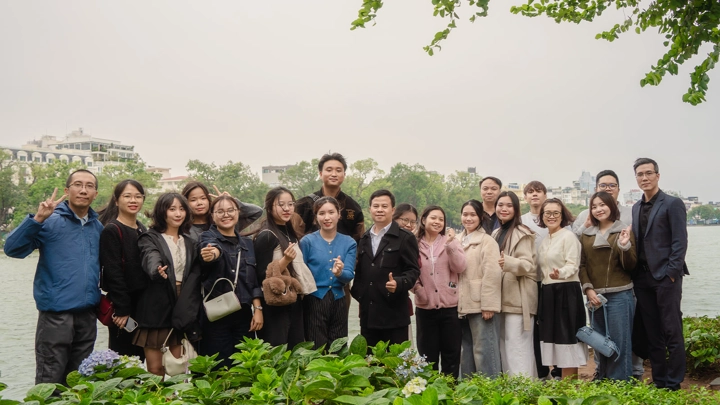
The importance of local infrastructure
Another factor that determines how to work with a local DMC in Vietnam successfully is the operational infrastructure of the DMC itself. A well-structured DMC should have multiple offices or regional operational teams to supervise activities across the country.
Vietnam stretches over 1,600 kilometers from north to south, and regional differences are significant. A strong DMC with nationwide operational capacity can manage logistics more efficiently and respond quickly to operational challenges.
Supporting sustainable tourism
Modern travel companies increasingly prioritize sustainability. Understanding how to work with a local DMC in Vietnam also means evaluating the partner’s commitment to responsible tourism. A responsible DMC will :
Support local communities
A responsible tourism approach begins with meaningful engagement with local communities. By collaborating with local families, artisans, farmers, and small businesses, tourism can generate sustainable income while strengthening regional economies. Supporting community-based initiatives not only improves livelihoods but also allows travelers to experience authentic traditions, daily life, and cultural exchanges that enrich their journey and create a positive impact for the destinations they visit.
Promote environmentally friendly practices
Sustainable travel requires a commitment to protecting natural resources and minimizing environmental impact. Encouraging eco-friendly practices such as reducing plastic waste, supporting responsible waste management, promoting low-impact transportation, and respecting natural habitats helps preserve Vietnam’s landscapes and biodiversity. By integrating environmentally conscious operations, tourism contributes to long-term environmental sustainability while offering travelers a more responsible way to explore the destination.
Work with ethical suppliers
Building strong partnerships with ethical and responsible suppliers is essential for maintaining high standards across the tourism value chain. Working with partners who respect fair labor practices, transparency, safety regulations, and environmental guidelines ensures that tourism operations remain both professional and responsible. This approach strengthens trust among partners and guarantees consistent quality for travelers.
Encourage cultural preservation
Tourism can play an important role in safeguarding cultural heritage when managed thoughtfully. Encouraging cultural preservation means supporting traditional crafts, local festivals, historical sites, and ancestral knowledge that define Vietnam’s rich identity. By integrating these elements into travel experiences, tourism helps keep traditions alive while fostering mutual respect and deeper understanding between visitors and local communities.
These values not only benefit local communities but also strengthen the reputation of international travel brands.
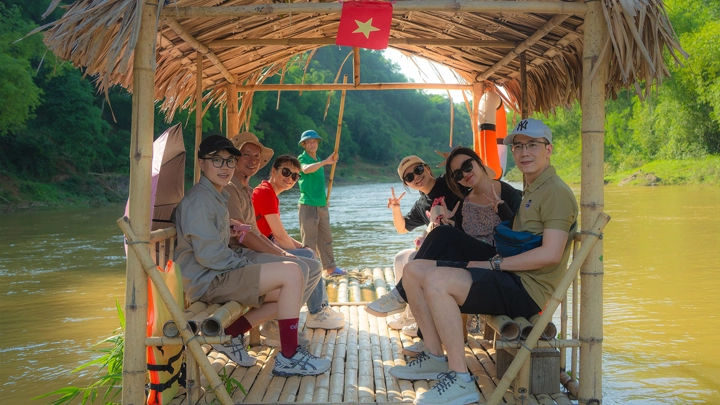
Adapting to changing market trends
The tourism industry evolves constantly. From digital transformation to shifting traveler expectations, flexibility is essential. When learning how to work with a local DMC in Vietnam, partners should look for companies that actively adapt to these changes.
Innovative DMCs continuously update their product portfolios and explore new travel experiences such as:
Eco-tourism
Eco-tourism focuses on responsible travel experiences that respect nature while supporting environmental conservation and local communities. In Vietnam, eco-tourism often takes place in national parks, mountain regions, wetlands, and coastal reserves where travelers can explore pristine landscapes while minimizing their environmental footprint. Activities may include trekking through protected forests, discovering biodiversity with local guides, or staying in eco-lodges designed with sustainable architecture. Beyond enjoying nature, eco-tourism encourages visitors to understand the importance of conservation, wildlife protection, and sustainable development, making travel both meaningful and environmentally responsible.
Community-based travel
Community-based travel places local people at the center of the tourism experience. Instead of large-scale tourism infrastructure, travelers are welcomed directly by communities, often through homestays, village visits, or cultural workshops. This form of travel allows visitors to learn about daily life, traditions, and crafts while contributing directly to local economies. In Vietnam, community-based travel is particularly popular in ethnic minority regions where guests can share meals with families, participate in agricultural activities, or learn traditional skills. It creates authentic cultural exchanges while ensuring that tourism benefits are distributed fairly among local residents.
Culinary journeys
Culinary journeys invite travelers to discover a destination through its gastronomy, revealing the stories, traditions, and cultural heritage behind every dish. In Vietnam, food is an essential part of cultural identity, and culinary journeys may include street food explorations, visits to local markets, cooking classes with regional chefs, or tastings of traditional specialties prepared according to family recipes. From the delicate flavors of northern cuisine to the vibrant spices of the south, these experiences allow travelers to understand the diversity of Vietnam’s culinary landscape while enjoying unforgettable meals in both local eateries and refined dining settings.
Experiential travel programs
Experiential travel programs go beyond traditional sightseeing by encouraging travelers to actively participate in the destination they visit. Rather than simply observing landmarks, visitors engage directly with local culture, nature, and traditions. In Vietnam, experiential travel may include learning traditional crafts, joining farmers in rice fields, exploring remote villages with local guides, or participating in cultural ceremonies and festivals. These immersive experiences create deeper emotional connections with the destination and transform a journey into a meaningful personal discovery rather than just a simple tour itinerary.
Such adaptability ensures that international partners remain competitive in the global travel market.
So how to work with a local DMC in Vietnam
Vietnam offers incredible opportunities for international travel companies, but operating successfully in the destination requires strong local expertise. Understanding how to work with a local DMC in Vietnam is therefore essential for building reliable travel programs and maintaining consistent service quality.
By selecting a professional partner, establishing clear communication, defining transparent commercial conditions, and developing long-term cooperation, international tour operators can create seamless travel experiences for their clients.
Ultimately, learning how to work with a local DMC in Vietnam is not simply about outsourcing logistics. It is about forming a strategic partnership with experts who understand the destination deeply and who share the same commitment to quality, reliability, and sustainable tourism development.

For travel professionals looking to expand their programs in Southeast Asia, mastering how to work with a local DMC in Vietnam is the foundation for successful and long-lasting collaboration.


