





1. Introduction
A cultural tour in Vietnam is not simply a combination of monuments, temples and museums. For international Tour Operators, the real challenge is to turn Vietnam's history, heritage, traditions, local communities and contemporary life into a coherent travel product that matches the expectations of a specific client profile and can be operated smoothly on the ground.
This requires more than choosing interesting places to visit. A well-designed cultural tour should have a clear theme, a logical itinerary and experiences that are meaningful for travelers while remaining realistic in terms of timing, logistics, group size and local availability. This is where local destination knowledge becomes particularly important.

2. Why Develop a Cultural Tour in Vietnam?
Vietnam offers considerable cultural diversity within a relatively compact destination. Each region has its own history, traditions, architecture, crafts, food culture and ways of life. A cultural itinerary can therefore go beyond the country's best-known landmarks and give travelers a more complete understanding of the destination.
Culture is also one of the most effective ways to help travelers understand Vietnam rather than simply visit it. Walking through a historic neighborhood, visiting a traditional craft village, meeting local residents or observing everyday life in a market can provide a different perspective from visiting a sightseeing site alone.
For Tour Operators, cultural experiences can also add value to an existing Vietnam itinerary. A classic itinerary covering Hanoi, Halong Bay, Hoi An and Ho Chi Minh City can be made more distinctive by adding carefully selected cultural experiences that reflect the character of each destination. The goal is not to add as many activities as possible, but to create experiences that give the itinerary greater depth and help differentiate the product in the market.
3. What Makes a Good Vietnam Cultural Tour?
The quality of a cultural tour depends less on the number of cultural sites included than on how those experiences are selected and connected. A strong itinerary should give travelers a sense of the destination while maintaining a practical balance between discovery, comfort and travel time.

A Clear Theme or Story
A cultural tour should have a clear idea behind it. This could focus on Vietnamese heritage, traditional crafts, local communities, urban culture, history or the relationship between culture and everyday life.
The theme helps determine which experiences belong in the itinerary and which ones do not. Without a clear direction, a cultural tour can easily become a long list of unrelated temples, museums, monuments and activities.
A Balance Between Heritage and Everyday Life
Heritage sites provide an important foundation for understanding Vietnam, but culture is not limited to historic buildings and monuments. Everyday life can often make a destination feel more tangible and relevant to travelers.
A well-designed itinerary may therefore combine historical sites with local markets, traditional villages, craft workshops, food experiences or interactions with local residents. This balance allows travelers to see both the heritage of Vietnam and how aspects of that heritage continue to exist in contemporary life.
Meaningful Interaction With Local People
Interaction can make a cultural experience much more memorable, but it needs to be genuine and appropriate to the destination. Meeting artisans, visiting a local family, learning about traditional crafts or sharing a meal can offer insights that travelers cannot obtain from sightseeing alone.
For a Tour Operator, the important point is to select experiences where the interaction has a clear purpose and adds value to the itinerary. Simply adding a local encounter does not automatically make a tour more authentic.
A Comfortable Pace
Cultural travel requires time. Travelers need enough time to explore a site, understand its context and appreciate an experience rather than moving quickly from one attraction to another.
This is particularly important in Vietnam, where transfer times, traffic conditions and the distance between cultural sites can affect the rhythm of an itinerary. A good cultural tour leaves enough space for discovery while avoiding an overloaded schedule.

Experiences That Are Actually Feasible
An interesting cultural experience is only valuable as a travel product if it can actually be delivered.
Before including an experience in a Vietnam cultural itinerary, Tour Operators need to consider factors such as opening hours, local calendars, seasonality, group capacity, transfer time, language requirements and the availability of local hosts or suppliers. Some experiences also require advance coordination and cannot simply be booked at the last minute.
For this reason, cultural product development involves both creativity and operational planning. The strongest itineraries are those where the cultural concept, traveler expectations and practical conditions on the ground all work together.
4. Which Cultural Experiences Can Be Included in a Vietnam Tour?
A cultural tour can take many forms, depending on the destination, client profile and overall theme of the itinerary. The most effective approach is usually to combine different types of experiences rather than build the entire program around sightseeing.
Historical sites and cultural heritage provide an essential introduction to Vietnam's past, from ancient architecture and historic cities to important landmarks and UNESCO-recognized heritage. Temples, pagodas and spiritual traditions can add another dimension by helping travelers understand local beliefs, customs and the role of religion in Vietnamese life.
Traditional villages and handicrafts can bring culture into a more practical setting. Travelers may visit a pottery, silk, lacquerware or other traditional craft village, meet local artisans and learn how products are made. These experiences can be particularly useful when developing a cultural itinerary that goes beyond conventional sightseeing.

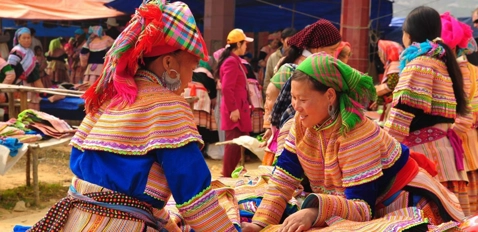
Local communities and family experiences offer a closer look at everyday life. Depending on the destination, this may involve visiting a local family, meeting residents or learning about traditional ways of living. Markets and everyday activities can provide a similar perspective, allowing travelers to observe how local culture is expressed through food, trade, social interaction and daily routines.
Music, performances and seasonal traditions can also be included when they are relevant to the destination and travel dates. These experiences may range from traditional music and cultural performances to local festivals and seasonal celebrations. Their availability should always be checked before they are included in a commercial itinerary.
The key is to select experiences that support the story of the tour rather than simply increasing the number of cultural activities.
5. How to Combine Culture With Other Travel Experiences?
Culture does not necessarily need to be treated as a separate theme within a Vietnam itinerary. It can run through the entire journey and be connected naturally with other types of travel experiences.
Culture and gastronomy can be combined through local markets, traditional dishes, cooking activities or meals that introduce travelers to regional food traditions. Culture and nature can come together in rural areas, traditional landscapes and communities whose way of life is closely connected to their surroundings.

Outdoor activities can also have a cultural dimension. Cycling through villages, walking in rural areas or exploring a region on foot can give travelers opportunities to observe local architecture, agriculture and everyday life. Similarly, staying in or visiting local communities can connect cultural discovery with a more personal experience of the destination.
For Tour Operators, this approach can make an itinerary more coherent. Instead of creating one day for “culture” and another for everything else, cultural elements can be integrated throughout the journey according to the character of each destination.
6. How Does Cultural Tourism Differ Across Northern, Central and Southern Vietnam?
Vietnam's cultural character changes considerably from one region to another. For a Tour Operator developing a Vietnam cultural tour, understanding these differences helps determine which experiences are most appropriate for each itinerary.
Northern Vietnam
Northern Vietnam offers a strong combination of historical heritage, traditional villages, local markets and rural or mountain communities. Hanoi provides opportunities to explore urban history, architecture and everyday culture, while destinations outside the capital can introduce travelers to traditional crafts, agricultural life and ethnic minority communities.
This makes the North particularly suitable for itineraries that combine Vietnamese history with traditional lifestyles and local interactions.

Central Vietnam
Central Vietnam is particularly rich in imperial, architectural and cultural heritage. Hue offers an important connection to Vietnam's royal history, while Hoi An combines historic architecture with traditional crafts, local customs and everyday life.
The region works well for cultural itineraries that place greater emphasis on heritage, architecture and the continuity of local traditions.
Southern Vietnam
Southern Vietnam offers a different cultural perspective, shaped by river life, trade, agriculture and the development of modern urban centers. The Mekong Delta provides opportunities to explore local communities, markets, crafts and agricultural activities, while Ho Chi Minh City introduces travelers to a more contemporary and dynamic side of Vietnamese culture.
This combination can be particularly effective for itineraries that want to connect traditional local life with the development of modern Vietnam.
Why Combine Different Regions?
A multi-region itinerary can give travelers a broader understanding of Vietnam's cultural diversity. The contrast between Hanoi and the northern countryside, the heritage of Central Vietnam and the river-based culture of the South can become part of the story of the journey itself.
However, combining several regions should not mean trying to include everything. Too many destinations can make a cultural itinerary rushed and reduce the time available for meaningful experiences. The right combination depends on the client's interests, available travel time, transportation and the overall positioning of the tour.

A local DMC can help determine which destinations and experiences work well together and how to connect them without making the itinerary unnecessarily intensive.
7. How to Adapt a Cultural Tour to Different Client Profiles?
A cultural experience that works well for one type of traveler may not be suitable in exactly the same form for another. When developing a Vietnam cultural tour, Tour Operators should consider not only what the experience offers, but also how it should be delivered to the intended client.
For couples and honeymooners, cultural experiences can be more private and personalized, with a slower pace and greater attention to atmosphere and comfort. Families may benefit from shorter activities, practical experiences and opportunities for children to participate rather than simply observe.
Small private groups usually allow more flexibility. A visit to a traditional village, a meeting with an artisan or a local family experience can be adapted more easily to the group's interests and pace. Larger groups require a different approach, particularly when an experience involves limited space, local hosts or direct interaction. Capacity, timing and group organization need to be considered before the experience is included in the itinerary.

Travelers who are specifically interested in culture and authenticity may expect a greater level of local interaction and a deeper explanation of traditions and everyday life. This does not necessarily mean adding more activities. It means selecting experiences that are relevant to their interests and presenting them with enough context.
The same cultural experience can therefore be adapted in terms of duration, level of interaction, comfort, group capacity and presentation. This flexibility allows Tour Operators to use the same destination resources while creating products for different markets and client profiles.
8. How to Make a Vietnam Cultural Tour Operationally Feasible?
A cultural experience may look attractive on paper but still be unsuitable for a commercial itinerary. Before selling it, Tour Operators and their local DMC should assess whether the experience can be delivered reliably under the actual conditions of the trip.
Availability and opening hours are a starting point. Museums, heritage sites and cultural attractions may have specific operating schedules, while private visits and local experiences often require advance coordination.
Seasonality and the local calendar also matter. Festivals, agricultural activities and certain traditional experiences may only take place at particular times of the year. Their availability should be checked against the client's travel dates rather than assumed from a general description.
Group size is another important consideration. An experience designed for a small private group may not work for a larger tour without changes to the format, timing or organization. The same applies to local workshops, family visits and other experiences where space or host capacity is limited.

Transfer time and itinerary pace should also be evaluated carefully. A cultural activity may be worthwhile on its own but become impractical if reaching it requires a long detour or creates an overly intensive day. The experience needs to fit naturally into the overall route.
Language and interaction should be considered as well. If the value of an experience depends on communication with a local host, artisan or community member, the Tour Operator should know how that interaction will be facilitated and whether appropriate language support is available.
It is also important to prepare alternatives. Local conditions can change, and an experience may occasionally become unavailable because of weather, local events, capacity or other operational factors. Having a suitable alternative allows the itinerary to maintain its quality without compromising the client's experience.
Finally, key services should be reconfirmed before arrival. An experience that was available when the itinerary was created may not necessarily operate in exactly the same way months later. Rechecking the arrangements helps reduce operational risks and gives the DMC an opportunity to make adjustments before the travelers arrive.
9. How Can a DMC Help Tour Operators Create a Cultural Tour in Vietnam?
For an international Tour Operator, working with a local DMC can simplify the process of turning cultural ideas into a workable Vietnam travel product.

Local cultural and destination knowledge allows the DMC to identify experiences that are relevant to the itinerary and appropriate for the target market. This goes beyond knowing which attractions are popular. It also involves understanding local communities, traditions, suppliers, timing and the practical conditions behind an experience.
The DMC can also select and verify local suppliers and experience providers. This is particularly important for cultural activities involving artisans, families, communities or personalized visits, where the quality and availability of the experience may depend on local coordination.
Itinerary design is another important part of the process. The DMC can help connect cultural experiences with accommodation, transportation, sightseeing, gastronomy and other activities while keeping the overall route realistic.
For international markets, the same cultural resources may also need to be presented differently. A DMC can help customize the experience according to the expectations of different client profiles, travel styles and levels of comfort.
Once the itinerary is confirmed, operational coordination becomes essential. The DMC can manage local suppliers, transportation, guides, schedules and last-minute adjustments so that the itinerary works as planned on the ground.
On-the-ground support also gives Tour Operators a local point of contact during the trip. If conditions change or a problem occurs, the DMC can respond locally and help protect the quality of the client's experience.

For this reason, the role of a DMC in cultural tourism is not simply to provide a list of cultural attractions. It is to connect local knowledge, suitable experiences, itinerary design and operational execution into a travel product that an international Tour Operator can confidently sell.
10. Conclusion: Turn Vietnam's Culture Into a Meaningful Travel Product
A successful Vietnam cultural tour is not necessarily the one that includes the largest number of monuments, museums or traditional activities. Its value comes from creating a coherent journey between heritage, history, traditions, people and everyday life.
For Tour Operators, the challenge is to turn these cultural resources into an itinerary that is relevant to the target client, distinctive in the market and realistic to operate.
With more than 20 years of experience as a local DMC, Vietnam Original Travel can support international Tour Operators in designing tailor-made cultural tours, selecting local experiences and coordinating the services needed to deliver them on the ground.
If you are developing a new Vietnam cultural product or adapting an existing itinerary for your market, contact Vietnam Original Travel to discuss your requirements.
You may also be interested in these articles:
How to Develop a Tailor-Made Vietnam Tour for International Clients
How to Adapt a Vietnam Itinerary to Different Client Profiles?


