


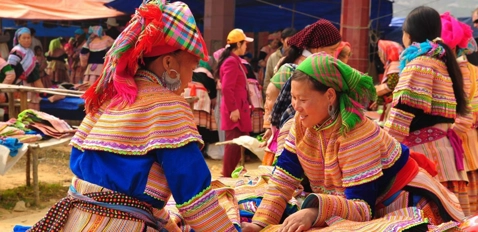



Culinary tourism is not simply a matter of adding a food tour to an existing Vietnam itinerary. For an international Tour Operator, a well-designed culinary tour needs to work as a complete travel product, where food, culture, destination, client expectations and operational feasibility all fit together.
Vietnam offers plenty of possibilities for this type of product. A culinary experience can take travelers to a local market in Hanoi, a cooking class in Hoi An, a farm in the Mekong Delta or a small village where traditional food is still prepared by local families. The challenge is not finding interesting food experiences, but knowing how to combine them into an itinerary that is coherent, enjoyable and realistic to operate.

For Tour Operators and Travel Agencies, this is where local destination knowledge becomes particularly valuable. A DMC can help identify suitable experiences, assess their feasibility and build them into a program that matches the profile of the travelers.
1. Why Develop a Culinary Tour in Vietnam?
Vietnamese food is closely connected to everyday life, local communities and the places where people live. Markets, street vendors, family kitchens, farms, fishing villages and small food producers are not separate from Vietnamese culture. They are part of it.
This makes Vietnam particularly suitable for culinary tourism. Food can become a way for travelers to understand a destination rather than simply another activity to add to their schedule. A market visit can reveal local eating habits, a cooking class can introduce traditional preparation techniques, and a meal with a local family can create a more personal connection with the destination.
For international Tour Operators, this opens several possibilities. Culinary experiences can be used to enrich an existing Vietnam itinerary, differentiate a standard program or form the basis of a more specialized thematic product.

Vietnam's Regional Culinary Diversity
One of Vietnam's strengths as a culinary destination is the diversity between its regions. Northern, Central and Southern Vietnam have different ingredients, cooking traditions, food cultures and ways of enjoying food.
This regional diversity does not mean that a culinary tour has to be built around a long list of famous dishes. The more interesting opportunity for a Tour Operator is to create experiences that reflect the character of each destination.
In Hanoi, for example, travelers can explore local markets and street food while discovering how food is part of everyday life in the capital. In Central Vietnam, the cultural heritage of Hue and the traditional villages around Hoi An can provide a different setting for culinary experiences. In the Mekong Delta, food can be connected with rivers, orchards, farms, local communities and family life.
This variety makes it possible to develop different culinary products for different markets instead of offering the same food experience throughout Vietnam.
Food Can Add Depth to an Existing Vietnam Itinerary
A culinary experience does not always need to be the main purpose of a trip. In many cases, it works best when integrated naturally into a broader Vietnam itinerary.

A Hanoi city tour can include a guided street food experience or a visit to a local market. A stay in Hoi An can be combined with a cooking class and a visit to the market where ingredients are selected. In the Mekong Delta, a cycling or river excursion can lead to a farm or local family for a meal prepared with regional ingredients.
These combinations allow Tour Operators to add a stronger sense of place without changing the entire structure of an existing program. A well-chosen culinary experience can make a familiar itinerary feel more distinctive and give travelers a different way to connect with the destination.
It can also provide the basis for a standalone culinary product, particularly for travelers whose main interest is food and local culture. The key is to decide whether gastronomy should be the central theme of the itinerary or one element within a wider travel experience.
2. What Makes a Good Vietnam Culinary Tour?
A good culinary tour is not simply an itinerary that contains a large number of restaurants, tastings or cooking classes. The quality of the product depends on how these experiences are selected and connected.

For an international Tour Operator, the starting point should be a clear concept. The itinerary needs a logical route, a good variety of culinary experiences and enough cultural context to give meaning to what travelers are seeing and tasting. Pacing also matters. Even travelers who are passionate about food do not necessarily want every part of their day to revolve around eating.
Behind all of this, the suppliers need to be reliable and the experiences need to be operationally feasible. A restaurant may offer excellent food but be unsuitable for a group. A cooking class may be interesting for a couple but difficult to organize for 30 travelers. A local family experience may be highly authentic but require specific arrangements in advance.
The role of the DMC is therefore not simply to provide a list of culinary activities. It is to help turn those possibilities into a workable travel product.
Go Beyond Restaurants and Food Tastings
The strongest culinary experiences often go beyond the food itself.
Instead of simply taking travelers to a restaurant to taste several Vietnamese dishes, a Tour Operator can build a broader experience around the people, traditions and territory behind the food.

A visit to a local market can introduce the ingredients before a cooking class. A farm visit can be combined with cycling through the surrounding countryside and a meal prepared with local produce. A visit to a fishing village can explain how seafood is sourced and prepared before travelers sit down for a local lunch.
This approach gives the culinary experience more context. Travelers are not only eating Vietnamese food; they are seeing where ingredients come from, learning how food is prepared and understanding how it fits into local life.
Create a Story Around the Food
A culinary itinerary becomes more engaging when each experience has a reason for being there.
For example, instead of simply including a Vietnamese coffee tasting, the itinerary can introduce travelers to Vietnam's coffee culture, the way coffee is prepared, how it is consumed in daily life and why it has become such a recognizable part of the country's urban culture.
The same principle can apply to tea, rice, noodles, traditional sweets or locally produced ingredients. The experience does not need to become a formal lecture. A guide, producer, chef or local host can provide the context naturally through conversation and demonstration.

For Tour Operators, this storytelling element can also help differentiate a culinary product from a standard food tour. The value is no longer only in what travelers taste, but in what they understand and remember about the destination.
Balance Culinary Experiences With the Rest of the Journey
Even a food-focused itinerary needs a good rhythm. Too many tastings, cooking activities and food-related visits in a short period can make the program feel repetitive and leave little space for other aspects of Vietnam.
This is particularly important for longer itineraries. A 10 or 15-day Vietnam tour can include several culinary experiences, but they do not all need to follow the same format. A street food tour in Hanoi can be followed several days later by a cooking class in Hoi An, while a farm visit and local meal can be integrated into a Mekong Delta program.
The balance should also reflect the travelers themselves. Some clients may be enthusiastic food lovers who want gastronomy to play a central role in the journey. Others may simply appreciate having one or two well-chosen culinary experiences alongside cultural, scenic and active activities.

The objective is not to maximize the number of food-related activities. It is to choose the right experiences and place them where they add real value to the itinerary.
3. Which Culinary Experiences Can Be Included in a Vietnam Tour?
Vietnam offers a wide range of culinary experiences that can be adapted to different types of travel products. A Tour Operator can build a program around street food, local markets, cooking, agriculture, traditional beverages or seasonal food traditions, depending on the destination and client profile.
The most effective approach is to select experiences that fit naturally into the itinerary rather than treating them as standalone activities. A culinary experience should add something to the destination and to the overall travel experience.
Street Food and Local Markets
Street food and local markets are among the most accessible ways to introduce travelers to everyday food culture in Vietnam. Hanoi and Ho Chi Minh City are particularly suitable for walking food tours, market visits and informal tastings, but similar experiences can also be developed in other urban destinations.

For a Tour Operator, these activities can be used as a relatively short component of a city program or developed into a more focused food experience. The format can also vary according to the client, from a simple local tasting to a guided experience combining food, markets and the history of a neighborhood.
Cooking Classes and Food Preparation
Cooking classes can give travelers a more active way to engage with Vietnamese cuisine. Depending on the destination and product positioning, the experience can include a local market visit with a chef, ingredient selection, preparation and a meal at the end of the activity.
The concept can also be extended beyond cooking classes to traditional food production. Visits to places producing rice paper, noodles, coffee, rice wine or other local products can introduce travelers to techniques that are closely connected to the destination.
For B2B products, the main consideration is not simply whether the activity is interesting, but whether its format and capacity are suitable for the intended travelers.

Farms, Villages and Local Communities
Food can also be used to connect travelers with the wider destination. Farms, fruit gardens, fishing villages and rural communities can provide a setting where food becomes part of a broader local-life experience.
A farm visit, for example, can be combined with cycling and a meal using local produce. In the Mekong Delta, a river excursion can lead to an orchard or local family where travelers have lunch and learn more about life along the waterways. A traditional craft village can also introduce travelers to food-related products and production methods.
These experiences are particularly useful when developing a culinary itinerary that aims to offer more than restaurant visits.
Coffee, Tea and Traditional Beverages
Vietnam's culinary identity also extends beyond food. Coffee and tea can become distinctive elements of a travel product, particularly when the experience explains the culture surrounding them.

Travelers can visit a local producer, learn about preparation methods, taste different varieties or enjoy tea in a traditional setting. Rice wine and other regional beverages can also be incorporated where appropriate.
For Tour Operators, these experiences can work as short activities within a city tour or as part of a broader cultural or rural program. They are also useful for creating variety within a culinary itinerary without adding another full meal.
Seasonal and Festival-Based Food Experiences
Seasonality can give a culinary product a stronger sense of place and make it easier to refresh an existing itinerary. Traditional foods associated with Tet, the Mid-Autumn Festival and other local celebrations can become experiences in their own right when the timing is right.
For example, travelers may have the opportunity to learn about or participate in the preparation of foods traditionally associated with a particular festival. These experiences are naturally limited by season, which means they should be planned and verified well in advance.

For an international Tour Operator, seasonal culinary experiences can also create opportunities to develop different versions of the same Vietnam product throughout the year. Instead of selling one fixed culinary itinerary, the product can evolve according to what is genuinely available at the destination.
4. How to Build a Vietnam Culinary Itinerary
Developing a Vietnam culinary itinerary requires more than selecting interesting food experiences. The experiences need to fit the travelers, the route, the pace of the trip and the positioning of the product.
The most important principle is to design the culinary component as part of the itinerary from the beginning. If gastronomy is an important selling point, it should influence the route rather than being added after the rest of the program has already been finalized.
Start With the Target Client
The right culinary itinerary depends first on who the product is designed for.
Food enthusiasts may want to spend more time exploring markets, local restaurants, traditional preparation methods and regional cuisine. Luxury travelers may be more interested in private cooking sessions, carefully selected restaurants, exclusive tastings or experiences with local producers.
Couples and small private groups can usually accommodate more flexibility, while families may need shorter and more accessible activities. Senior travelers may also require particular attention to walking distances, meal timing and comfort.

Understanding the client profile therefore helps determine not only what culinary experiences to include, but also how they should be delivered.
Choose the Culinary Theme
A clear theme helps turn a collection of food activities into a coherent travel product.
The focus could be regional cuisine, Vietnamese street food, traditional cooking, local communities, coffee culture or farm-to-table experiences. A more active product could combine food with cycling and rural discovery, while a cultural itinerary could connect traditional food preparation with villages and heritage sites.
The theme does not need to be extremely narrow. What matters is that the experiences support a recognizable concept rather than feeling like unrelated food stops.
Build the Route Around the Experiences
One common mistake is to finalize the main itinerary first and then try to add culinary activities wherever there is free time.
If food is an important selling point of the tour, the route should be planned with the culinary experiences in mind from the beginning.

A particular cooking class may only operate at certain times. A farm or family experience may be located outside the main tourist area. A market visit may work best in the morning, while a restaurant or tasting experience may be more suitable later in the day.
These factors can influence where travelers stay, when they move between destinations and how much time they have available. Planning the culinary component alongside the route makes the final product more coherent and reduces unnecessary transfers or rushed activities.
Balance Meals, Tastings and Activities
More food stops do not automatically make a better culinary tour.
A well-designed itinerary should alternate between eating, learning, exploring and experiencing the destination. After a substantial local meal, for example, the next activity may be better focused on culture or nature rather than another tasting.
This balance is particularly important for multi-day tours. Travelers may be enthusiastic about Vietnamese cuisine, but they still need variety in the rhythm of their journey.

Leave Room for Cultural and Free-Time Experiences
A culinary tour should still leave space for travelers to experience Vietnam beyond food. Cultural visits, scenic activities, shopping and free time can all complement the gastronomic theme.
This is especially relevant when culinary experiences are part of a longer 10 or 15-day Vietnam itinerary. Gastronomy can be a recurring thread throughout the journey without taking over every day.
The objective is to make food a meaningful part of the travel experience while keeping the overall itinerary comfortable, varied and enjoyable.
5. How Does Vietnam's Culinary Experience Differ by Region?
Vietnam does not have one single culinary experience. The character of food changes from one region to another, and so do the settings and local experiences that can be built around it.
For Tour Operators, this regional diversity makes it possible to create different culinary products depending on the destinations included in the itinerary.

Northern Vietnam
Northern Vietnam, and Hanoi in particular, offers strong opportunities for street food, local markets and everyday food experiences. Walking tours through urban neighborhoods can introduce travelers to local eating habits while providing an informal way to explore the city.
Tea can also be incorporated into the experience, while rural and mountain areas offer opportunities to connect food with farming, traditional communities and local ways of life.
This makes Northern Vietnam suitable for products that combine urban food culture with rural or community-based experiences.
Central Vietnam
Hue and Hoi An offer a different culinary context, where food can be connected with cultural heritage, traditional techniques and local communities.
In Hoi An, cooking classes can be combined with a market visit, cycling or a village experience. Around Hue, culinary activities can complement the city's historical and cultural attractions.

For Tour Operators, Central Vietnam can therefore support products where gastronomy is closely integrated with cultural discovery rather than presented as a separate activity.
Southern Vietnam
Ho Chi Minh City offers a dynamic urban food environment, with street food, local markets and a wide range of informal and contemporary culinary experiences.
Further south, the Mekong Delta provides a very different setting. Farms, fruit gardens, rivers, fishing communities and local families allow food to be connected directly with the landscape and everyday life of the region.
A culinary experience in the Mekong Delta can therefore become part of a wider rural program, combining a river journey, cycling, agriculture and a local meal rather than focusing only on what is served on the plate.
The difference between Vietnam's regions is not only in what people eat, but in how food is connected to the destination. This is an important consideration when developing a culinary product. The strongest itinerary does not simply collect famous dishes from different places; it uses food to help travelers understand the character of each destination.

6. How to Adapt a Culinary Tour to Different Client Profiles
A culinary experience that works perfectly for one group may not be suitable for another. The same cooking class, market visit or local meal can feel very different depending on the travelers, the level of comfort expected, the available time and the size of the group.
For a Tour Operator, adapting the experience does not necessarily mean finding completely different activities. In many cases, the experience itself can remain the same while its level of comfort, duration, group capacity and presentation are adjusted to fit the product.
Food-Focused Travelers
Travelers with a strong interest in food are likely to expect gastronomy to play a more important role in the itinerary. They may be interested in local markets, traditional preparation methods, regional specialties, food producers and conversations with chefs or local hosts.
For this profile, culinary experiences can be more frequent and detailed, provided that the itinerary still has a comfortable pace. The emphasis can also be placed on authenticity and access rather than simply choosing the most famous restaurants.

Luxury Travelers
For luxury clients, the quality of the culinary experience needs to match the overall positioning of the trip. A standard group cooking class, for example, may not have the same value as a private session with a chef or a carefully arranged meal in a distinctive setting.
Comfort, privacy, service level and presentation become more important. The same culinary concept can therefore be redesigned as a private experience, with more personalized service and greater attention to the setting and timing.
Families and Mixed-Age Groups
Families and mixed-age groups often require a different balance between food, activities and free time. Long tastings or complex cooking sessions may not be suitable for every member of the group, particularly younger travelers or older family members.
Shorter experiences, hands-on activities and informal settings can often work better. Accessibility, meal timing and the availability of familiar food options may also need to be considered when developing the itinerary.

Small and Private Groups
Small groups and private travelers generally allow greater flexibility. A couple or a small group can visit a local family, join a private cooking class or adjust the timing of an experience more easily than a large group.
This flexibility also allows the Tour Operator to offer more personalized products. If the clients have a particular culinary interest, the DMC can look for an experience that matches that interest rather than relying only on standard activities.
Larger Group Tours
Large groups require a different approach. An experience that feels authentic and effortless with four travelers may become difficult to manage with 20 or 30 participants.
Capacity, seating arrangements, service speed, transportation and the ability of the host or chef to interact with the whole group all need to be considered. In some cases, the experience may need to be adapted, divided into smaller groups or replaced with a format that can maintain quality at a larger scale.

The goal is not to make every traveler receive exactly the same experience regardless of group size. It is to preserve the core value of the culinary product while adapting its delivery to the operational reality of each group.
7. How to Manage Dietary Requirements on a Culinary Tour
Dietary requirements are particularly important when food is one of the central elements of the itinerary. A request that may seem simple at first can affect the choice of restaurant, cooking class, local family or food experience.
This is why dietary management should be treated as part of the itinerary planning process rather than as a last-minute note attached to a reservation.
Vegetarian and Dietary Preferences
Vegetarian meals and other dietary preferences can often be accommodated in Vietnam, but the appropriate solution depends on the type of experience.
A restaurant may have a dedicated vegetarian menu, while a cooking class may need to modify ingredients or preparation methods. A meal with a local family may require more detailed communication before the visit.
The DMC should therefore check what the supplier can actually provide instead of assuming that every culinary experience can be adapted in the same way.

Food Allergies and Intolerances
Food allergies and intolerances require more careful handling because the issue is not simply whether a particular dish can be removed from a menu. Ingredients, sauces, preparation methods and cross-contamination may all need to be considered.
The information should be communicated clearly to the relevant suppliers before the experience takes place. Where the supplier cannot safely meet a requirement, an alternative should be proposed rather than taking unnecessary risks.
Religious and Cultural Dietary Requirements
Some travelers may follow specific dietary practices for religious or cultural reasons. These requirements can influence restaurant selection, meal arrangements and the suitability of certain local experiences.
For an international Tour Operator, it is important to communicate the requirement accurately and early enough for the local supplier to prepare. The DMC can help determine which options are genuinely suitable within the destination and itinerary.

Communicating Requirements With Local Suppliers
A DMC should do more than forward a dietary request to a restaurant and assume that it has been understood.
The requirement needs to be communicated to the relevant parties, confirmed and, where necessary, checked again before the service is delivered. This may involve restaurants, cooking schools, guides, local families or other experience providers.
This is one reason why local coordination matters in culinary tourism. The value of a DMC is not simply making a restaurant reservation, but making sure that the service booked corresponds to what the client has actually requested.
For a broader approach to handling individual and group requests, see our guide on How to Handle Special Requests on a Vietnam Group Tour.
8. How to Make a Vietnam Culinary Tour Operationally Feasible
An interesting culinary experience is not automatically a feasible travel product. Before including it in a quotation or confirming it to a client, a Tour Operator needs to know whether the experience can actually be delivered under the required conditions.
This is where destination knowledge and local supplier relationships become particularly important. A DMC should assess the practical details behind the experience, not simply rely on the description provided by a supplier.

Check Supplier Availability and Capacity
Capacity is one of the first things to verify.
An experience designed for two or four travelers may not work for a group of 20 or 30. A small family kitchen, for example, may offer an excellent experience for a private couple but have no suitable space or staff to receive a larger group.
The DMC needs to confirm availability, maximum capacity, operating conditions and whether the experience can maintain an acceptable level of service for the intended group.
Check Timing and Route
The best culinary experience can still be a poor choice if it disrupts the itinerary.
Opening hours, meal times and activity duration should be considered alongside transportation and the other visits planned for the day. An experience located far from the main route may create unnecessary transfer time or backtracking.

For this reason, culinary planning should be integrated into route planning from the beginning, particularly when gastronomy is one of the main selling points of the product.
Consider Seasonality
Some culinary experiences depend on the time of year. Ingredients may be seasonal, agricultural activities may change, and certain traditional foods are associated with specific festivals or periods.
Tet and the Mid-Autumn Festival are good examples of how food traditions can create distinctive seasonal experiences. However, they also require accurate timing and advance planning.
A DMC should therefore distinguish between experiences that are available throughout the year and those that depend on a particular season, harvest or local event.
Prepare Alternative Experiences
Even a well-planned culinary itinerary can be affected by circumstances outside the Tour Operator's control. A restaurant may be unavailable, a family may not be able to host visitors, or an activity may not operate on a particular date.

A reliable DMC should be able to propose a suitable alternative rather than simply informing the partner that the original experience is no longer possible.
The alternative should preserve as much of the original concept as possible. If a farm visit cannot take place, for example, another local food or community-based experience may be more appropriate than simply replacing it with a conventional restaurant meal.
Verify the Experience Before Selling It
One of the most important principles in B2B product development is simple: do not sell an experience based only on a description.
A supplier's description may make an activity sound authentic, flexible and suitable for international travelers, but the actual experience may be very different. The DMC needs to understand what is really included, how the activity operates, who can participate, what the capacity is, what level of service is provided and under which conditions it can be confirmed.
This knowledge allows the DMC to give the Tour Operator realistic information before the product is sold. It also reduces the risk of promising an experience that cannot be delivered as expected.

For an international partner, this operational verification is a significant part of the value of working with a local DMC. The DMC is not simply connecting the Tour Operator with a restaurant, farm or local host. It is helping turn a good culinary idea into a product that can actually be sold and operated with confidence.
9. How to Adapt a Culinary Tour to Different Client Profiles
There is no single format for a Vietnam culinary tour. The same cooking class, market visit or local meal can be presented very differently depending on who the travelers are. Their expectations, comfort level, available time and group size all influence how the experience should be designed.
For a Tour Operator, this means adapting the product rather than simply choosing a different activity. The level of comfort, duration, group capacity and presentation may all need to change while the core culinary experience remains the same.
Food-Focused Travelers
For travelers who are genuinely interested in food, gastronomy can play a central role in the itinerary. They may want more time in local markets, opportunities to meet chefs or producers, traditional food preparation and a deeper understanding of regional cuisine.

For this profile, the itinerary can include several culinary experiences across different destinations, as long as they offer enough variety. A street food tour in Hanoi, for example, should provide something different from a cooking class in Hoi An or a farm-based experience in the Mekong Delta.
Luxury Travelers
Luxury travelers generally expect the culinary experience to match the positioning of the rest of their trip. A standard group cooking class may therefore need to be replaced or adapted into a private session, a more exclusive tasting or a carefully arranged meal in a distinctive setting.
Privacy, comfort, service quality and attention to detail become particularly important. The experience itself does not necessarily have to be completely different, but the way it is delivered should reflect the expectations of the client.
Families and Mixed-Age Groups
Families and mixed-age groups require a different balance between enjoyment, comfort and duration. A long cooking session or extensive food tasting may not work equally well for children, parents and older travelers.
Shorter activities, hands-on experiences and informal settings can often be more suitable. Meal timing, walking distances and the availability of appropriate food options should also be considered when adapting the itinerary.

Small and Private Groups
Small and private groups offer greater flexibility when developing culinary experiences. A couple or a small group can more easily visit a local family, join a private cooking class or adjust the timing of an activity.
This makes it possible to personalize the experience around specific interests. If travelers have a particular interest in coffee, traditional cooking or local markets, for example, the DMC can look for an experience that reflects that interest rather than relying entirely on standard products.
Larger Group Tours
Larger groups require greater attention to capacity and logistics. An experience that works well for two or four travelers may not be suitable for 20 or 30 people.
The DMC needs to consider the available space, service capacity, transportation, meal arrangements and the ability of the host or chef to interact with the group. In some cases, an experience may need to be divided into smaller groups or adapted to a format that can maintain the same quality at a larger scale.

The objective is not simply to find a culinary activity that can accommodate everyone. It is to make sure that the experience still feels enjoyable and meaningful once the group size, comfort expectations and operational requirements are taken into account.
10. How to Manage Dietary Requirements on a Culinary Tour
Dietary requirements are an important part of culinary tour planning because food is not just an additional activity. It is often one of the main elements of the product.
Vegetarian preferences, allergies, intolerances or specific dietary practices can affect the choice of restaurants, cooking classes, local families and other experiences. These requirements should therefore be considered during the planning stage rather than treated as a last-minute request.
Vegetarian and Dietary Preferences
Vegetarian and other dietary preferences can often be accommodated in Vietnam, but the available options vary between suppliers.
A restaurant may have suitable dishes, while a cooking class may need to adjust its ingredients or menu. A meal with a local family may require more preparation and communication in advance.
The DMC should confirm what the supplier can actually provide instead of assuming that every culinary experience can be adapted in the same way.

Food Allergies and Intolerances
Food allergies and intolerances require particular attention. Removing one ingredient from a dish may not always be enough, as sauces, preparation methods and cross-contamination can also be relevant.
The requirement should be communicated clearly to the supplier before the service is confirmed. If a restaurant, cooking class or local host cannot accommodate a specific requirement appropriately, the DMC should propose another solution rather than relying on assumptions.
Religious and Cultural Dietary Requirements
Some travelers follow specific dietary practices for religious or cultural reasons. These requirements may influence restaurant selection and the suitability of certain culinary experiences.
Early communication is important. The DMC can help the Tour Operator identify suitable suppliers and explain the requirement clearly so that the service provider understands what is expected before the travelers arrive.
Communicating Requirements With Local Suppliers
A DMC's role should go beyond simply passing a dietary request to a restaurant.

The requirement needs to reach the right person, be understood correctly and be confirmed before the service takes place. Depending on the itinerary, this may involve restaurants, cooking schools, guides, drivers, local families or other experience providers.
This is also where a DMC's local coordination can make a practical difference. The objective is not simply to book a restaurant, but to make sure that what has been promised to the Tour Operator can actually be delivered to the traveler.
For a broader approach to handling individual and group requests, you can also refer to our guide on How to Handle Special Requests on a Vietnam Group Tour.
11. How to Make a Vietnam Culinary Tour Operationally Feasible
A culinary experience may sound attractive on paper and still be difficult to operate in a real itinerary. Before including it in a quotation, a DMC needs to check whether the experience can be delivered under the actual conditions of the trip.
This is particularly important for international Tour Operators, who need reliable information before presenting a product to their clients.

Check Supplier Availability and Capacity
An experience suitable for two travelers may not be suitable for 20 or 30. A small family kitchen, for example, may offer an excellent private experience but have neither the space nor the staff to accommodate a large group.
Availability, capacity, operating conditions and service standards should therefore be checked before the experience is included in the program.
Check Timing and Route
A culinary experience also needs to make sense geographically and logistically.
Its opening hours, duration and preferred meal times should fit the rest of the day's program. An activity that requires a long detour or creates unnecessary backtracking can make an otherwise attractive itinerary inefficient.
This is why culinary experiences should be considered when planning the route, rather than added only after the main itinerary has already been completed.
Consider Seasonality
Some culinary experiences depend on the season. Certain ingredients may only be available at particular times of year, while agricultural activities and local food traditions can change according to the calendar.

Festivals such as Tet and the Mid-Autumn Festival can also create special culinary opportunities, but these experiences need to be planned around the actual dates and local conditions.
Understanding this seasonality allows a DMC to recommend experiences that are genuinely available during the client's travel period.
Prepare Alternative Experiences
Even a well-planned experience can become unavailable because of supplier schedules, capacity or unexpected local circumstances.
A reliable DMC should therefore have alternative options when necessary. If a restaurant, farm, family visit or culinary activity cannot be confirmed, the replacement should ideally preserve the original purpose of the experience rather than simply filling the empty time slot.
For example, a farm visit could be replaced by another local food experience connected with the destination, rather than automatically changing it to a conventional restaurant.

Verify the Experience Before Selling It
Do not sell an experience based only on a description.
A supplier's description may sound attractive, but the actual experience can depend on factors that are not immediately visible: group size, available facilities, staff, timing, inclusions, language support or the level of interaction with local hosts.
A DMC should know what the supplier actually provides and under which conditions the experience can be confirmed. Where relevant, this means checking the service directly and maintaining a clear understanding of how it operates.
This verification protects both sides of the partnership. The Tour Operator can present the product with greater confidence, while the DMC can make sure that the experience delivered on the ground matches what was originally proposed.
12. How Can a DMC Help Tour Operators Develop a Vietnam Culinary Tour?
Developing a culinary tour requires more than finding restaurants or adding food-related activities to an itinerary. For an international Tour Operator, the real challenge is to find the right experiences, connect them to the destination and make sure they can be delivered as promised.
This is where a local DMC can provide practical value. With destination knowledge, local supplier relationships and experience in operating tours in Vietnam, a DMC can help turn a culinary concept into a product that is both attractive to travelers and workable for the Tour Operator.

Local Culinary and Destination Knowledge
A local DMC understands how food experiences fit into the wider destination. This includes knowing which markets are interesting for travelers, which local communities can welcome visitors, where traditional food is still prepared and which experiences are genuinely connected to local life.
This knowledge also helps distinguish between experiences that may look attractive in a general description and those that are actually worth including in an international travel product.
Supplier Selection and Verification
A DMC can identify and assess the restaurants, cooking schools, farms, local families, artisans and other suppliers involved in a culinary program.
The focus should not be limited to food quality. Capacity, service standards, location, operating conditions, flexibility and the ability to accommodate specific client requirements can all affect whether a supplier is suitable.
By verifying these details before confirming the product, the DMC helps the Tour Operator avoid selling an experience that cannot be delivered as expected.

Itinerary Design
Culinary experiences need to work within the overall route. A DMC can help determine where an experience should be placed, how much time it requires and how it can be combined with cultural, scenic or active activities.
This is particularly important when gastronomy is one of the main themes of the tour. Rather than adding food experiences after the itinerary has already been built, the DMC can incorporate them into the route from the beginning.
Customization for Different Markets
The same culinary experience may not appeal to every international market in the same way.
Some clients may prioritize authenticity and local interaction, while others may expect a higher level of comfort or exclusivity. Family travelers, food enthusiasts, luxury clients and group travelers may also have very different expectations.
A DMC can help adapt the format, level of service and presentation of an experience to the target market while keeping its connection with the destination.
Operational Coordination
Once the itinerary is confirmed, culinary experiences often involve several local parties. Restaurants, guides, drivers, chefs, farms, families and other suppliers may all need to coordinate around the same program.

The DMC acts as the local point of coordination, making sure that the agreed arrangements are communicated correctly and that the different parts of the itinerary work together.
This becomes particularly important when the program includes special dietary requirements, private arrangements, larger groups or experiences that depend on specific timing.
On-the-Ground Support
Even with careful planning, situations can change during a trip. A supplier may become unavailable, a schedule may need to be adjusted or an experience may need to be modified because of local conditions.
Having a DMC on the ground gives the Tour Operator a local partner who can respond to these situations and coordinate with suppliers when necessary.
For an international Tour Operator, this support is ultimately about more than solving individual operational issues. It helps protect the quality of the product and the experience promised to the traveler.

13: Conclusion: Build a Culinary Experience, Not Just a Food Itinerary
A successful Vietnam culinary tour is not a collection of restaurants, dishes and tastings. It is a carefully designed travel product that connects food with culture, people and place.
For Tour Operators, the opportunity lies in using Vietnam's culinary diversity to create products that feel distinctive while remaining realistic to operate. The right experiences need to match the client profile, fit the route, respect seasonality and be supported by reliable local suppliers.
A local DMC can help bridge the gap between the idea and the final product. At Vietnam Original Travel, we work with international travel partners to develop tailor-made experiences in Vietnam, combining local destination knowledge with itinerary design and on-the-ground coordination.
If you are considering developing a Vietnam culinary tour, share your target client profile, travel period and the type of culinary experience you want to create. A local DMC can help turn the initial concept into a practical itinerary that is ready to be offered to your clients.
You may also be interested in these articles:
How to Handle Special Requests on a Vietnam Group Tour
How Much Does a Vietnam DMC Quote? A Guide for Tour Operators


